Inflation Reclaims the Spotlight
Inflation Reclaims the Spotlight
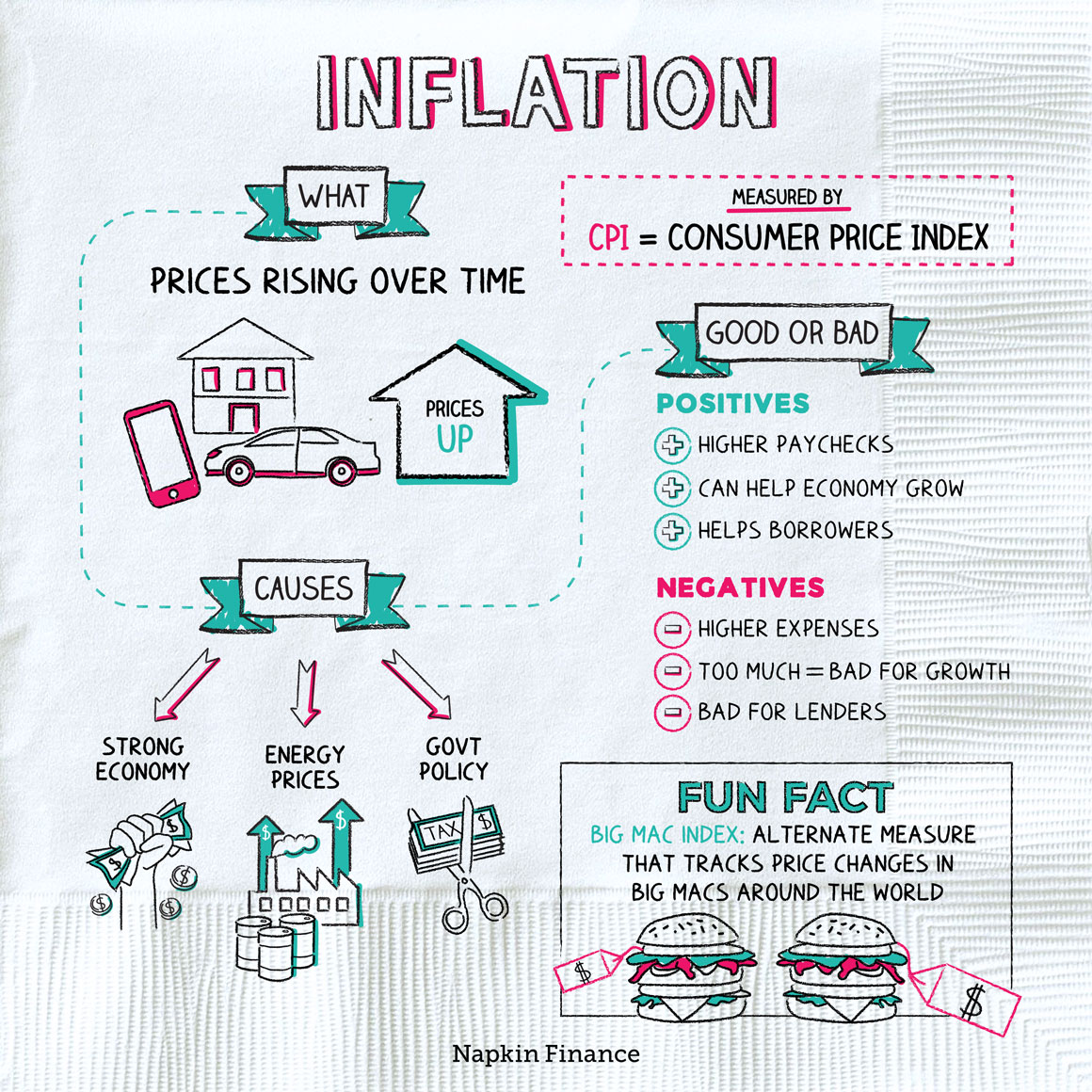
Inflation may no longer be ripping through the economy at pandemic-era speed, but that does not mean the pressure has disappeared. Families still feel it at the grocery store. Businesses still feel it in wage bills and supply contracts. And the Federal Reserve still has to decide whether the fight is really over or just entering a more dangerous phase. The latest consumer price data matters because it tests a simple, brutal question: are prices finally normalizing, or is this the new floor consumers will have to live with? For households already stretched by rent, energy, and borrowing costs, that distinction is not academic. It determines whether relief is real or just a pause before the next price climb.
- Inflation is easing, but not enough to erase cost-of-living stress.
- The Federal Reserve is watching for proof that price pressures are truly under control.
- Consumers are still absorbing higher costs in essentials like housing, food, and services.
- Rate cuts or holds will depend on whether inflation data keeps improving.
Why Inflation Still Controls the Economic Story
The term inflation gets thrown around so often it can start to sound abstract. It is not. It is the difference between a pay raise that feels real and one that vanishes at the checkout counter. It is the reason mortgage rates remain painful, credit card balances get harder to carry, and businesses hesitate before hiring. Even as headline numbers improve, the lived experience of inflation is sticky because consumers remember the peak pain and compare every bill against it.
The latest reading reinforces a broader economic truth: disinflation is not the same as recovery. Prices can stop rising as fast and still leave households in a tight spot. That is especially true when the most essential categories – housing, insurance, food, transportation, and medical care – keep climbing at a pace that outstrips wage growth. The headline may say progress. The budget says otherwise.
The Federal Reserve Is Not Done Yet
The Federal Reserve has spent years trying to thread a needle that never stops moving. Cut rates too soon and it risks reigniting inflation. Keep policy too tight and it can overcool growth, weaken hiring, and strain consumers already carrying debt. That is why every new inflation report lands like a referendum on the central bank’s strategy.
For policymakers, the key metric is not just whether inflation is lower than before, but whether it is low enough, long enough, across enough categories. If price pressures keep easing, the Fed has room to consider a more flexible stance. If they stall, the central bank is likely to stay cautious. That caution has consequences. Businesses delay expansion. Borrowing stays expensive. Consumers remain trapped in a high-rate environment even if the panic over runaway inflation has faded.
The Fed’s hardest job is no longer fighting a sprinting inflation problem. It is judging whether the economy can withstand patience.
What Consumers Are Actually Feeling
Economists love to talk about consumer prices as if they are one neat, uniform thing. They are not. Consumers experience inflation unevenly, and the parts that hurt most are usually the least flexible. Rent does not drop just because the monthly inflation rate does. Groceries rarely snap back quickly. Insurance premiums can rise even when oil prices dip. This is why many households feel as if inflation has “eased” only on paper.
That gap between statistics and lived reality matters. It shapes political pressure, consumer confidence, and spending behavior. When people believe prices will keep rising, they buy differently. They trade down. They save less. They avoid big purchases. They become more selective, and that caution can ripple outward into slower retail sales and softer business demand.
Where the Pain Sticks the Longest
The stubborn categories are usually the same ones that dominate household budgets:
- Housing:
rent, mortgage costs, and insurance often lag broader inflation trends. - Food: supermarket prices may fluctuate, but they rarely return to old levels.
- Services: labor-intensive costs are harder to bring down quickly.
- Debt servicing: high rates make every balance feel heavier.
That is why a lower inflation print does not automatically feel like relief. Consumers need sustained improvement, not one good month.
How the Economy Could Reprice the Next Year
When inflation cools, markets immediately start gaming the next move. Will the Fed cut rates? Will mortgages get cheaper? Will businesses finally loosen spending? Those questions matter because monetary policy works with long delays, and the economy is already shaped by decisions made months ago.
If inflation remains contained, the next phase could look less like a rescue and more like a recalibration. That means slower price growth, a gradual easing in borrowing costs, and perhaps more room for consumer spending to stabilize. But there is a catch: if inflation falls because demand weakens too much, the economy may be buying price relief at the cost of momentum. That is not victory. That is tradeoff.
Why Rate Cuts Are Not a Free Lunch
Rate cuts sound like a simple win, but they can create new problems if they arrive too early. Cheaper money can fuel housing demand, support asset prices, and encourage borrowing before inflation is fully tamed. On the other hand, leaving rates elevated for too long can freeze parts of the economy that need breathing room. The Fed’s challenge is not picking a side. It is choosing the least bad outcome.
For borrowers, the difference between stability and strain is immediate. credit card APR, auto loans, and mortgage rates all move consumers’ real-world confidence. If those costs stay elevated, inflation may be falling in the data while remaining very much alive in household decisions.
Why This Matters for Business and Markets
Businesses do not read inflation data the same way consumers do. They translate it into pricing power, margin pressure, and demand forecasts. When inflation cools, companies can breathe a little easier on input costs, but they also lose one of the easiest excuses for raising prices. That changes the competitive landscape fast.
For retailers, lower inflation can help if shoppers regain confidence and trade back up. For manufacturers, it can ease supply-chain planning. For service companies, especially those dependent on labor, persistent wage pressure may remain the bigger issue. The next phase of the inflation story is therefore less about emergency response and more about who can adapt to a slower, more normal economy without leaning on price hikes to protect profits.
The big signal is not whether prices are still high. It is whether businesses can stop treating inflation as a cover story for every margin problem.
What to Watch Next in Inflation and Consumer Prices
The coming months will matter more than any single data point. The economy needs confirmation that inflation is not merely drifting lower in a temporary way. That means watching several signals together, not just the headline number.
- Core inflation: strip out volatile food and energy to see the underlying trend.
- Services inflation: this often reveals whether price pressure is still broad-based.
- Wage growth: if pay keeps rising too fast, inflation may stay sticky.
- Consumer sentiment: confidence drives spending, which drives growth.
- Fed language: policymakers often telegraph whether the next move is a hold or a cut.
If those indicators move in the same direction, the outlook becomes clearer. If they diverge, expect more uncertainty and more volatility in everything from bond yields to household budgets.
The Bottom Line on the Inflation Economy
The latest inflation debate is not about whether prices are still rising. They are. The real question is whether the economy has finally escaped the cycle of emergency tightening, consumer panic, and policy whiplash that defined the last stretch. The answer is still not fully settled.
What is clear is that inflation remains a defining pressure point for the economy, the Federal Reserve, and the average household. Even as the data improve, the scars remain visible. Consumers are cautious. Businesses are defensive. Policymakers are still balancing two risks that pull in opposite directions. That is why this moment matters: not because inflation has disappeared, but because the next move could shape the cost of living for months, if not years, to come.
The information provided in this article is for general informational purposes only. While we strive for accuracy, we make no guarantees about the completeness or reliability of the content. Always verify important information through official or multiple sources before making decisions.