Iran Election Shakes Power
Iran Election Shakes Power
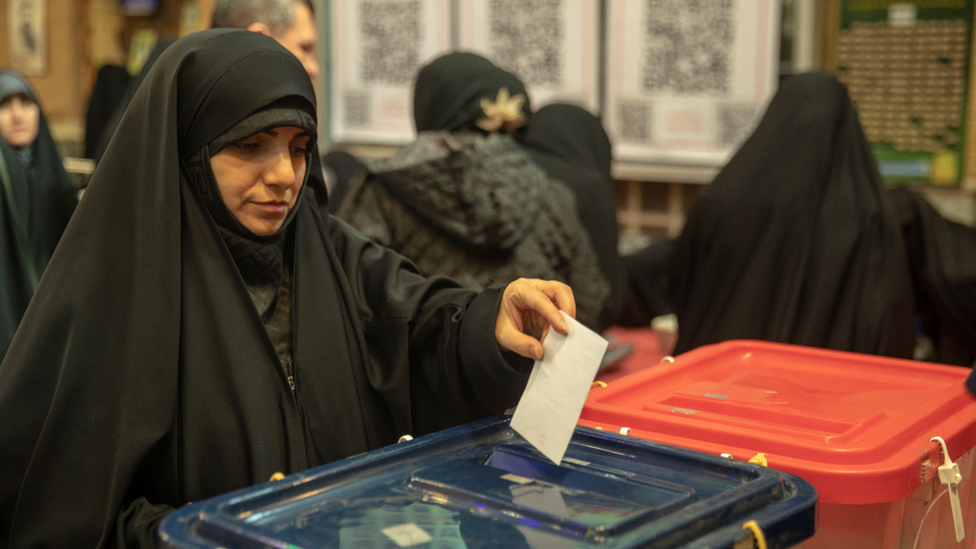
Iran election fallout is no longer a domestic footnote – it is a stress test for the Islamic Republic at a moment when legitimacy, public anger, and regional pressure are colliding. Low trust in state institutions, a heavily controlled candidate field, and a frustrated electorate have turned a routine political event into something much bigger: a referendum on how much consent the system still commands. For observers inside and outside Iran, the real story is not just who wins, but what the turnout, the messaging, and the public mood reveal about the state’s durability. When an election has to carry the weight of public disillusionment and elite succession politics at the same time, every signal matters. That is why this vote deserves more than headline treatment.
- The Iran election is as much about regime legitimacy as leadership.
- Low turnout and public apathy may be the most politically significant result.
- The tightly managed candidate process limits reform but cannot erase voter anger.
- What happens next could affect domestic stability, foreign policy, and economic expectations.
Why the Iran election matters beyond the ballot box
Iran’s political system has always treated elections as a controlled mechanism rather than a fully open contest. Voters choose from a list already filtered by the state, especially by institutions aligned with the supreme leader and the broader security establishment. That means every election carries two parallel narratives. One is the official story about participation, stability, and continuity. The other is the unofficial one: whether the public still sees any point in engaging.
This latest Iran election lands at a particularly sensitive moment. The country faces economic strain, sanctions pressure, generational frustration, and the long aftershocks of nationwide protests. That combination changes how turnout is interpreted. A weak showing does not just suggest boredom with politics. It can signal a deeper belief that the political system is unable or unwilling to respond to public demands.
In tightly managed systems, turnout becomes a proxy for legitimacy. When enthusiasm fades, even a predictable result can look politically expensive.
What the result really says about public trust
The core issue is not whether the state can produce a winner. It can. The core issue is whether that winner inherits meaningful public confidence. In Iran, that gap has been widening for years. Elections once offered at least a limited channel for competition between factions labeled reformist, moderate, and conservative. But repeated disqualifications, broken promises, and state crackdowns have hollowed out that distinction for many voters.
That matters because legitimacy is not only about legal procedure. It is also about whether citizens believe participation can shape outcomes. If large parts of the public conclude the answer is no, then the state may retain control while losing persuasive authority. That is a dangerous tradeoff over time.
The turnout problem
Turnout is often the most revealing number in an Iranian election. Officials want it high because it supports a narrative of national unity and popular endorsement. Critics watch it for the opposite reason: low participation can expose alienation and the erosion of consent.
Even if the government can frame turnout in patriotic or security terms, the broader message is harder to contain. When citizens disengage, the election stops functioning as a pressure-release valve. That can push dissatisfaction elsewhere – into private resentment, public protest, or broader cynicism toward institutions.
A mandate with limits
Any president in Iran operates within constraints set by unelected centers of power. That is not new. But a president who emerges from a low-energy contest with a thin social mandate is even more limited. He may have formal authority, but less room to persuade the public that painful economic decisions or policy compromises are worth accepting.
This is one reason the Iran election should be read strategically, not just ceremonially. A weak mandate can complicate everything from subsidy reform to inflation management to diplomatic messaging.
How elite control shapes the outcome
Iran’s system is designed to prevent electoral uncertainty from threatening core power structures. Candidate vetting ensures that only approved figures can compete. This creates stability from the establishment’s perspective, but it also narrows the field so dramatically that elections can feel pre-decided.
That is where the legitimacy paradox kicks in. The more tightly the state manages the process, the less risk it faces from an undesirable winner. But the more obvious that management becomes, the less meaningful participation can appear to the public.
For the establishment, this is not an abstract problem. It affects succession politics, factional balancing, and the public image of institutions that already face skepticism. An election can still serve the regime, but only if enough people believe it serves them too.
Why reform language lands differently now
Promises of change have a shorter shelf life in Iran than they once did. Economic hardship, social restrictions, and political repression have made many voters more skeptical of rhetorical moderation. When structural limits remain intact, campaign messaging can sound less like a roadmap and more like branding.
That does not mean voters are indifferent to policy. It means they increasingly judge candidates by whether they can alter the system’s behavior, not just its tone. In a controlled election, that is a very high bar.
Why this matters for the economy and foreign policy
Markets, businesses, and foreign governments often look at Iranian elections for clues about possible policy shifts. That instinct is understandable, but it can be misleading. A new president may influence style, priorities, and administrative energy, yet the broad parameters of national security and nuclear policy remain heavily shaped by higher authorities.
Still, elections matter because they affect negotiating posture and domestic resilience. A government that appears more publicly grounded may have greater flexibility in diplomatic talks. A government seen as politically fragile may focus more on internal consolidation than external compromise.
- On the economy: weak legitimacy can undermine confidence in reforms and deepen public resistance to austerity.
- On diplomacy: leadership signals can shift tone, but structural power centers still define the hard limits.
- On sanctions pressure: domestic weakness can either push leaders toward de-escalation or make them double down on defiance.
This is why outside observers should avoid reading the Iran election as a clean ideological reset. The result may shape tactics, but not necessarily the strategic architecture.
The protest shadow hanging over the Iran election
No serious reading of this vote can ignore the background of protest and repression. Recent years have changed the political atmosphere. Public anger over personal freedoms, economic pain, and state violence has not disappeared. It has simply moved through different phases of visibility and risk.
That protest shadow changes the meaning of voter behavior. Participation may reflect hope, pragmatism, fear, or civic habit. Boycott may reflect despair, resistance, or a calculation that the system is closed. Either way, the election is being interpreted through a much more confrontational lens than in earlier cycles.
When protest becomes the unspoken context of an election, even silence is political.
For the authorities, this creates a communications challenge. They need the election to demonstrate order. But if too many citizens treat it as irrelevant, the message can invert: order may appear imposed rather than endorsed.
What to watch after the Iran election
1. The official narrative versus the public mood
Watch how aggressively state media emphasizes turnout, unity, and continuity. Then compare that to visible public enthusiasm, elite commentary, and the durability of post-election momentum. A large mismatch tells its own story.
2. Cabinet choices and economic messaging
Personnel decisions matter because they show whether the incoming leadership wants technocratic credibility, ideological loyalty, or a blend of both. Economic appointments can also reveal whether the priority is stabilization, redistribution, or political signaling.
3. Signals from unelected power centers
In Iran, real political interpretation requires attention to institutions beyond the presidency. Statements from senior clerics, security-linked figures, and key oversight bodies often reveal more about policy boundaries than campaign promises do.
4. Social response over the next few months
The immediate post-election period may look calm. That should not be confused with renewed trust. The bigger test is whether daily life improves, whether enforcement pressures rise or ease, and whether the state appears more responsive or simply more disciplined.
A strategic reading of the moment
The most important takeaway from this Iran election is not that the system has changed. It is that the system must now operate under a heavier legitimacy burden. That changes the cost of governance. Policies become harder to sell. Symbolism becomes more important. Public disengagement becomes more dangerous.
For international audiences, the temptation is to focus on personalities. That is useful up to a point, but it misses the deeper shift. Iran’s leadership is navigating a country where many citizens no longer assume elections can deliver meaningful change. Once that belief weakens, every managed political ritual has to work harder to prove relevance.
Pro tip: judge the Iran election less by the winner’s rhetoric and more by three indicators: turnout credibility, cabinet composition, and whether ordinary Iranians show any renewed willingness to invest emotionally in the system.
If those signals remain weak, the election will be remembered less as a reset and more as another marker in the long erosion of political trust. And for a state that depends on both control and consent, that is the kind of warning light that cannot be ignored for long.
The information provided in this article is for general informational purposes only. While we strive for accuracy, we make no guarantees about the completeness or reliability of the content. Always verify important information through official or multiple sources before making decisions.