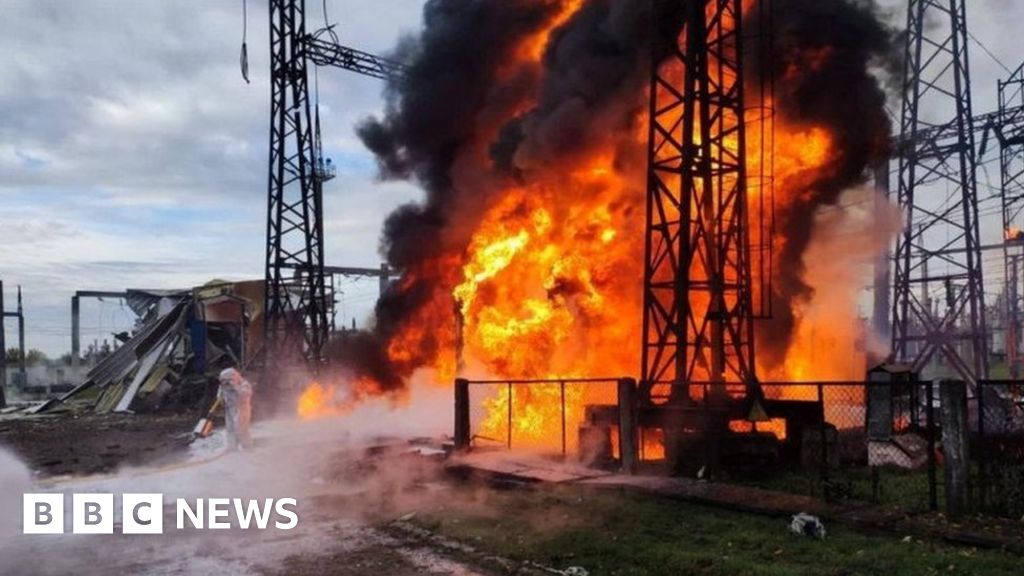
Iran Escalates Hormuz Threat
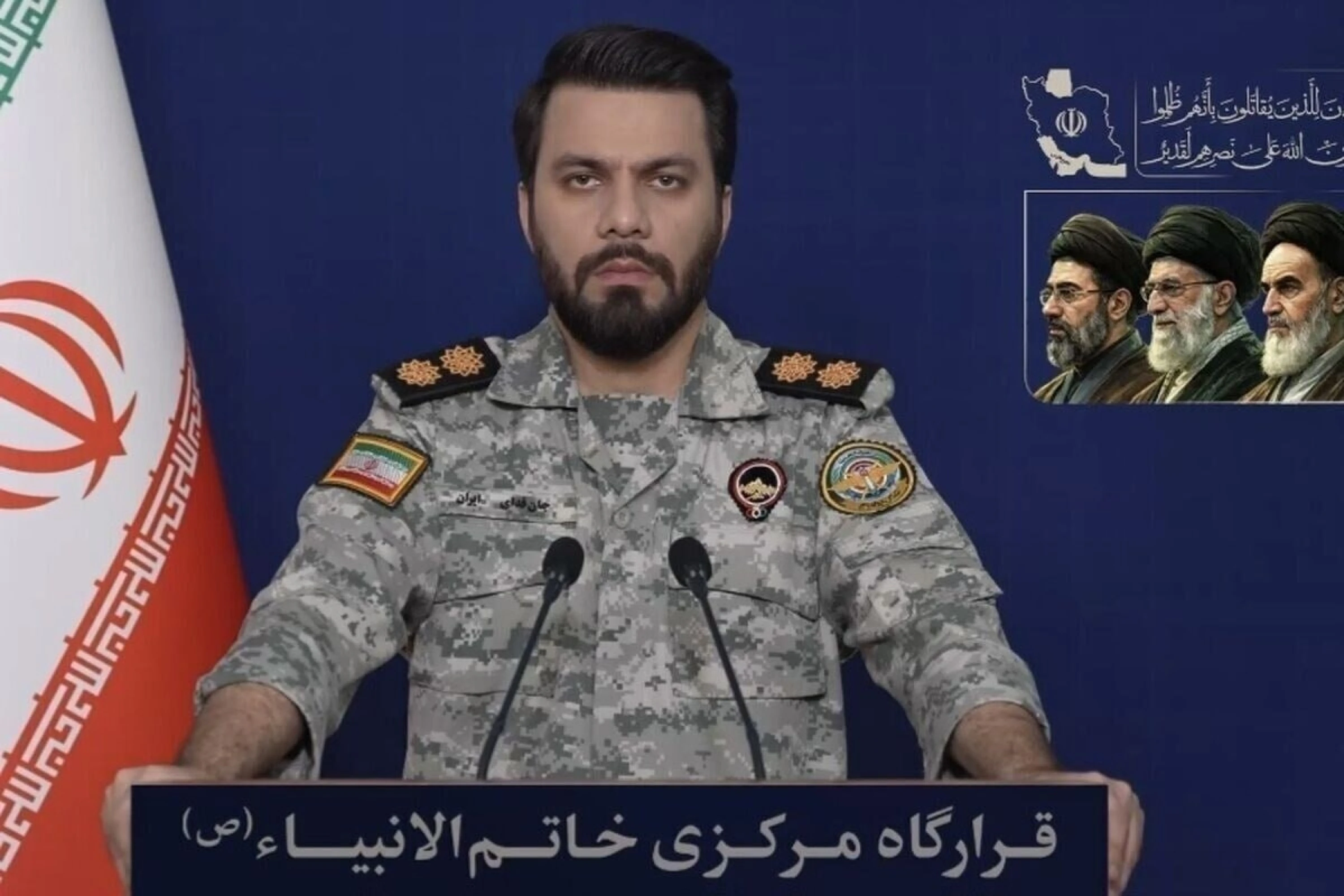
Iran Escalates Hormuz Threat
When a state starts talking about blocking one of the planet’s most important shipping lanes, markets do not wait for clarity. They price in fear, reroute expectations, and brace for the kind of shock that can move oil, freight, and diplomacy at the same time. That is the pressure point behind the latest Hormuz transit ban warning from Iran, which comes alongside its rejection of Donald Trump’s frozen funds proposal. The message is blunt: economic leverage is not being handed over quietly, and maritime traffic through the Strait of Hormuz remains a bargaining chip with global consequences. For energy traders, shipping insurers, and policymakers, this is not background noise. It is a reminder that a narrow waterway can still shape the temperature of the world economy.
- Iran has rejected Trump’s frozen funds plan and signaled a tougher line on maritime transit.
- The Strait of Hormuz remains a critical chokepoint for global oil and trade flows.
- Any disruption can quickly ripple through energy prices, shipping costs, and geopolitical risk.
- Markets tend to react first, while diplomacy and military signaling play catch-up.
- The standoff reinforces how economic pressure and naval power are now tightly linked.
Why the Hormuz transit ban warning matters now
The Strait of Hormuz is not just a regional flashpoint. It is a global pressure valve. Roughly a fifth of the world’s seaborne oil passes through it, along with a meaningful share of liquefied natural gas and container traffic tied to the Gulf economy. That means even a rhetorical threat can send a signal far beyond Tehran. When Iran links rejected financial terms with warnings about shipping, it is doing more than posturing. It is reminding the world that maritime access, sanctions relief, and political bargaining are connected.
What makes this moment especially combustible is the combination of financial coercion and physical chokepoint risk. Frozen funds are a classic sanctions-era weapon: money is locked up, bargaining space narrows, and states look for pressure points of their own. In Iran’s case, the sea becomes the counterweight. That makes the Hormuz transit ban not just a regional threat, but a test of how far economic and security tensions can escalate before hitting the rest of the world.
The frozen funds fight is really about leverage
At face value, the dispute sounds procedural. Funds are frozen. A proposal is rejected. Ships are warned. But the mechanics matter. Frozen assets are meant to constrain state behavior without direct military action. The problem is that sanctions rarely stay contained. They trigger retaliation in other domains, and shipping lanes are among the most obvious ones.
Iran’s rejection of the plan suggests it sees the offer as inadequate or politically toxic. More importantly, it suggests the country is unwilling to accept a one-way concession. If the money stays locked, then pressure can be applied elsewhere. That logic is familiar in modern geopolitics: when access to finance is restricted, access to trade becomes the answer. And when trade routes are threatened, the rest of the world starts measuring the cost of brinkmanship in barrels, premiums, and delay.
“The Strait of Hormuz is the rare place where a diplomatic dispute can become a shipping crisis in a matter of hours.”
What makes this standoff different
This is not a conventional sanctions standoff where both sides hide behind technical language. The language here is direct, public, and intentionally disruptive. That matters because markets trade on intent as much as on action. A threat does not need to be fully executed to force compliance, shift shipping routes, or raise insurance rates.
In practice, the Hormuz transit ban warning creates a layered risk profile:
- Energy risk: even a temporary disruption could tighten oil supply expectations.
- Shipping risk: carriers may reroute or slow operations to reduce exposure.
- Insurance risk: war-risk premiums can rise before any actual incident occurs.
- Diplomatic risk: allies and rivals alike are pushed into crisis management mode.
How the Hormuz transit ban threat could hit markets
Oil is the obvious headline, but the consequences go deeper. Traders usually respond to maritime threats by pricing in uncertainty rather than waiting for confirmed disruption. That can produce immediate volatility, especially in crude benchmarks, refined products, and tanker rates. Even a short-lived confrontation can distort supply expectations across Asia, Europe, and the United States.
For shipping companies, the first move is usually caution. Vessel operators may increase speed through the corridor, delay entries, or coordinate with naval escorts and maritime security systems. Those measures add cost. If tensions persist, the impact spreads to freight contracts, fuel expenses, and delivery timing. The result is a tax on global commerce, paid by importers, exporters, and ultimately consumers.
There is also a second-order effect that often gets overlooked. When a chokepoint like Hormuz becomes politically toxic, it nudges companies to rethink inventory strategy. More buffer stock. More diversified routing. More cost baked into the system. That is how a geopolitical threat becomes an economic drag long after the headlines fade.
Iran’s playbook is about signaling, not just blocking
It is tempting to treat the warning as a binary question: will Iran block the strait or not? That misses the deeper strategy. In many such confrontations, the point is not necessarily to fully shut traffic down. The point is to demonstrate that it can be disrupted. That distinction matters because control over perception can be almost as powerful as control over movement.
Iran has long understood the political value of ambiguity. A credible threat can force adversaries to allocate resources to prevention, deterrence, and crisis response. It can also fracture consensus among allies who may disagree on how to respond. If the goal is to increase negotiating leverage, then uncertainty is the weapon. A fully closed strait would invite overwhelming retaliation. A persistent threat, by contrast, keeps the pressure on without forcing an immediate irreversible jump.
What experts watch for next
Analysts will be looking for three signals: naval movements, official language, and commercial behavior. If tanker traffic begins to slow, insurance markets react sharply, or military patrols become more visible, the threat starts to move from rhetoric into operational risk. If diplomatic channels reopen, the tension may cool. But if the frozen funds dispute deepens, the maritime dimension becomes harder to separate from the broader negotiation.
That is the core lesson of the Hormuz transit ban warning: a shipping threat is rarely just about shipping. It is a message to negotiators, a warning to markets, and a signal to regional powers that escalation is being kept on the table.
Why this matters beyond the Gulf
The immediate audience for this confrontation is obvious: Iran, the United States, Gulf states, and the shipping industry. But the downstream audience is everyone dependent on stable energy and trade flows. Europe watches because oil and LNG prices can feed inflation. Asia watches because a large share of Gulf energy moves toward its industrial centers. The United States watches because any maritime crisis can quickly become a global security issue, even if it starts as a sanctions dispute.
This is also a story about how economic statecraft has evolved. Frozen funds, sanctions, and maritime warnings are now part of the same toolkit. They are designed to shape behavior without full-scale conflict. The risk is that each tool invites a countermeasure, and the escalatory ladder becomes self-reinforcing. That is how a policy disagreement turns into a market event, then a security problem, then a diplomatic headache.
“Chokepoints matter because they compress the entire global system into one narrow lane of risk.”
What happens if tensions keep rising
If the dispute hardens, expect a familiar sequence. First comes rhetoric. Then comes visible preparation. Then comes the premium increase: oil, freight, insurance, and political risk all become more expensive. In a worst-case scenario, even limited interference with vessels could trigger emergency naval coordination and pressure from major powers seeking to keep the lane open.
There is a reason every serious government treats the Strait of Hormuz as a red-line zone. The world has spent decades building trade routes around efficiency. But efficiency has a weakness: it concentrates risk. One narrow corridor can still expose the fragility of the global system, especially when political pressure and military signaling collide.
The bottom line
Iran’s rejection of Trump’s frozen funds plan is not an isolated political gesture. Paired with the Hormuz transit ban warning, it is a reminder that economic sanctions and maritime threats now operate as part of the same contest. The immediate question is whether shipping disruptions actually follow. The larger question is whether the world has become too dependent on a chokepoint it cannot fully control.
For now, the message is clear: if diplomacy fails, the Strait of Hormuz becomes the stage. And when that happens, the consequences rarely stay local for long.
The information provided in this article is for general informational purposes only. While we strive for accuracy, we make no guarantees about the completeness or reliability of the content. Always verify important information through official or multiple sources before making decisions.