Iran Escalation Tests Global Nerves
Iran Escalation Tests Global Nerves
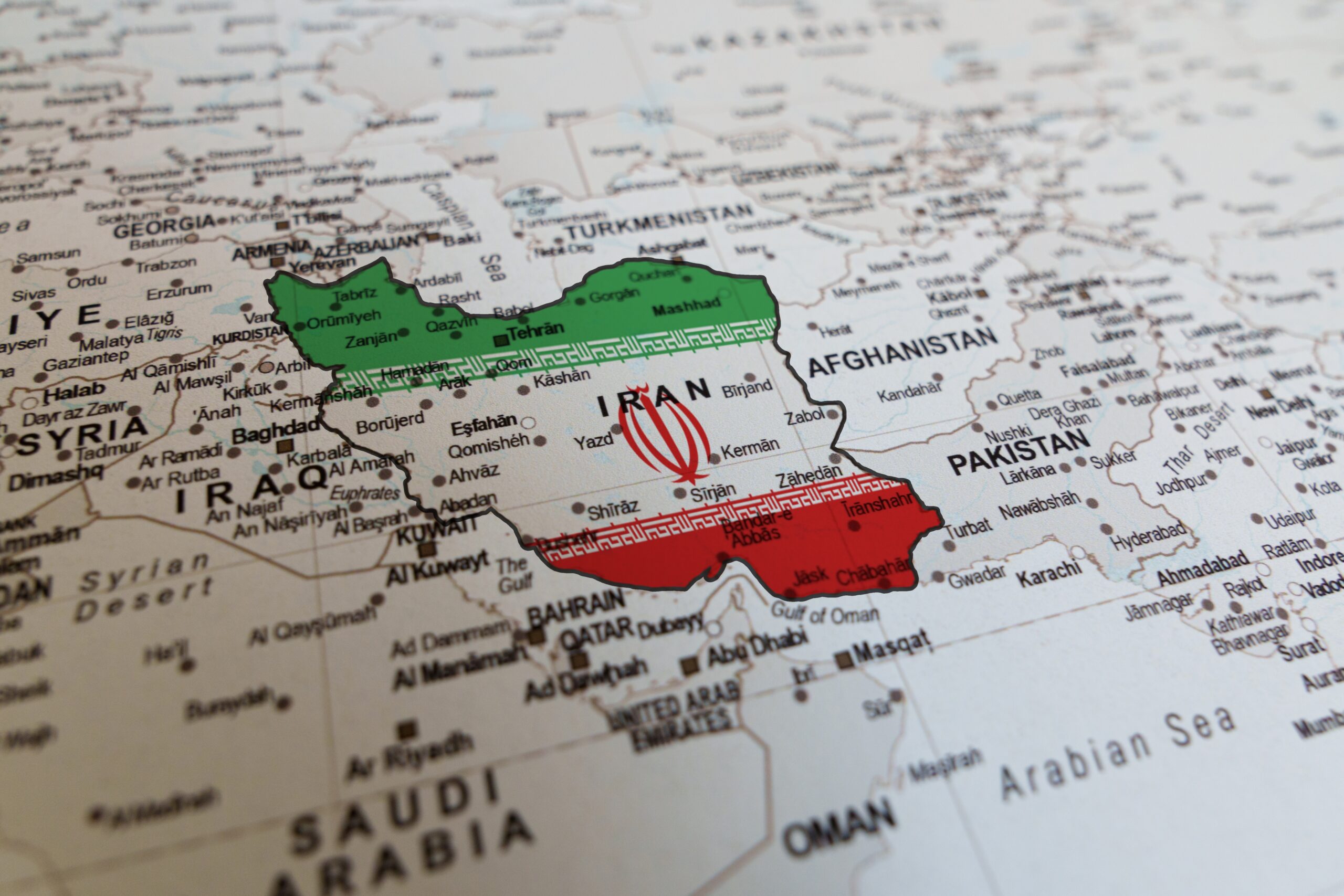
The most dangerous conflicts are not always the ones announced with a formal declaration. They are the ones built through pressure, deniability, and carefully rationed chaos. Iran escalation now sits in that uneasy category: not a single front, not a clean war, and not easily contained. Tehran’s leverage runs through armed partners, energy chokepoints, and the psychology of global markets. For policymakers, shipping companies, oil traders, and regional governments, the pain point is blunt: Iran does not need to win a conventional fight to raise the cost of confrontation. It only needs to make the next move feel expensive, uncertain, and politically radioactive.
- Iran escalation is less about one dramatic strike and more about layered pressure across the region.
- The Houthis give Tehran a disruptive tool in the Red Sea while preserving strategic ambiguity.
- The
Strait of Hormuzremains Iran’s most powerful economic threat, even if closing it would be risky. - Washington and its allies face a deterrence problem: respond too softly and invite more pressure, respond too hard and risk a wider war.
- The next phase may be decided by maritime security, back-channel diplomacy, and oil market anxiety.
Iran Escalation Is a Strategy, Not a Mood
It is tempting to read every Iranian threat as bluster and every proxy strike as improvisation. That is a mistake. Tehran’s approach has long depended on calibrated escalation: applying pressure below the threshold that would trigger an overwhelming response. The point is not merely retaliation. The point is leverage.
That leverage is useful because Iran faces constraints. Its conventional military cannot match the United States. Its economy is pressured by sanctions. Its domestic politics are brittle. But Iran has invested for decades in asymmetric capabilities: militias, missiles, drones, cyber tools, and influence networks that can stretch an adversary’s attention across multiple theaters.
The core insight is simple: Iran does not have to dominate the battlefield if it can dominate the risk calculation.
This is why the current moment feels so volatile. The region is crowded with tripwires. A Houthi missile in the Red Sea, a militia strike on a U.S. position, an Israeli operation, or a naval confrontation near the Strait of Hormuz can become more than an isolated incident. Each event becomes a signal, a test, and a bargaining chip.
How Iran Escalation Uses the Houthis
The Houthis are not a simple remote-control instrument. They have their own ideology, local power structure, and strategic ambitions in Yemen. But their alignment with Iran gives Tehran an important advantage: a partner able to threaten maritime routes without forcing Iran to place its own navy at the center of every confrontation.
That distinction matters. A direct Iranian attack on commercial shipping would invite immediate scrutiny and possibly direct retaliation. A Houthi attack, by contrast, creates a layer of ambiguity. Iran can deny operational control while still benefiting from the pressure the attack creates. This is the architecture of modern gray-zone conflict.
The Red Sea Pressure Point
The Red Sea is not just another body of water. It is a commercial artery linking Asia, Europe, and the Middle East. When ships reroute to avoid attacks, the cost is measured in fuel, insurance, delays, and supply chain stress. For consumers, that pressure can eventually surface in prices. For governments, it becomes a political headache.
That is why Houthi activity matters far beyond Yemen. It allows Iran and its partners to globalize a regional crisis. A missile fired from Yemen can affect European ports, Asian manufacturers, Gulf exporters, and American naval planning. This is leverage with a long tail.
The Plausible Deniability Advantage
Plausible deniability is often misunderstood as a weak excuse. In practice, it is a strategic asset. It slows decision-making. It gives diplomats something to argue over. It complicates legal and military responses. Most importantly, it creates a gap between certainty and action.
Iran’s opponents may believe Tehran is enabling, arming, or encouraging the Houthis. But belief is not always enough to build a coalition for major retaliation. That delay is useful to Iran. It lets pressure accumulate while keeping the cost of response contested.
The Strait of Hormuz Is the Nuclear Option for Oil
The Strait of Hormuz is the phrase that makes energy markets tense for a reason. A significant share of the world’s seaborne oil moves through this narrow passage. Iran does not need to permanently close it to create panic. Even the credible threat of disruption can move prices, stress insurers, and force navies into heightened readiness.
Still, closing the strait would be a high-risk move for Tehran. Iran also depends on regional trade and would likely face a severe military response if it attempted a full blockade. That is why the more likely tactic is not total closure but harassment: seizures, drone flyovers, mines, fast-boat maneuvers, and legal claims designed to make the waterway feel unstable.
The power of the
Strait of Hormuzis not only physical. It is psychological. Markets price fear before they price facts.
This is where Iran’s strategy becomes especially sharp. A limited maritime incident can generate outsized global attention. Oil traders react to risk. Shipping firms react to insurance costs. Politicians react to gasoline prices. Tehran understands that the economic battlefield is not separate from the military one.
Why Washington Faces a Deterrence Trap
The United States has overwhelming military power in the region, but that does not automatically solve the problem. Deterrence is not just about capability. It is about credibility, proportionality, and the adversary’s willingness to absorb pain.
If Washington responds weakly to attacks by Iranian-aligned groups, it may encourage more pressure. If it responds too forcefully, it could hand Tehran the escalation narrative it wants: Iran as the defender against foreign aggression. This is the trap. Every option has a downside.
Pro Tip for Reading the Signals
Watch the targets, not just the rhetoric. If attacks focus on symbolic or low-casualty targets, the goal may be messaging. If they shift toward mass-casualty strikes, sustained shipping disruption, or direct attacks on major energy infrastructure, the risk calculus changes dramatically. In crisis analysis, the target set often reveals more than the slogan.
Also watch the spacing between incidents. A single attack can be tactical. A pattern of attacks across multiple theaters suggests coordination or at least strategic alignment. That is when escalation becomes more than noise.
Iran Escalation and the Regional Chessboard
Iran’s leverage does not exist in a vacuum. Israel, Saudi Arabia, the United Arab Emirates, Iraq, Syria, Lebanon, and Yemen all shape the operating environment. Each actor has its own red lines and domestic constraints. That makes de-escalation difficult because no single capital controls all the pieces.
For Gulf states, the nightmare scenario is being pulled into a confrontation that damages energy infrastructure and investor confidence. For Israel, Iranian-backed forces represent a multi-front security challenge. For Iraq, militia activity threatens sovereignty and stability. For Yemen, Houthi power is both a local reality and a regional flashpoint.
This is what makes the current landscape so combustible. Iran can apply pressure through partners, but it cannot perfectly control every consequence. Proxy networks are useful until they become unpredictable. A militia commander, a naval officer, or a drone operator can make a decision that reshapes the entire crisis.
What the Markets Understand Before Politicians Say It
Markets are often cynical, but they are not stupid. Energy markets understand that geopolitical risk is back as a structural feature, not a temporary headline. The idea that global supply chains can glide above regional conflict looks increasingly naive.
Shipping companies now have to price route risk. Energy firms have to model disruption scenarios. Governments have to think about strategic reserves, naval escorts, and diplomatic channels at the same time. The private sector may not care about ideology, but it cares deeply about chokepoints.
- Oil prices can rise on perceived risk before actual barrels are lost.
- Insurance premiums can redirect shipping even without a formal blockade.
- Naval deployments can reassure allies but also increase the chance of accidental confrontation.
- Supply chains remain vulnerable when key routes depend on political restraint.
The Future Risk Is Miscalculation
The biggest danger is not necessarily that Iran wakes up and chooses all-out war. The bigger danger is that every side believes it can manage escalation better than its opponents. History is not kind to that assumption.
A drone strike intended as a warning can kill the wrong people. A ship seizure can trigger a naval exchange. A proxy attack can force a domestic political response in Washington, Jerusalem, or Riyadh. Once leaders are boxed in by public commitments, off-ramps become harder to find.
That is why back-channel diplomacy matters even when it looks unsatisfying. Crisis communication is not a reward. It is a safety mechanism. The absence of communication does not make deterrence stronger. It often makes accidents more dangerous.
The Bottom Line on Iran Escalation
Iran’s strategy is built around a hard truth of modern geopolitics: disruption can be as powerful as conquest. By leaning on the Houthis, threatening maritime chokepoints, and exploiting market anxiety, Tehran can raise costs for its adversaries without crossing every red line at once.
But this strategy is also fragile. The more pressure points Iran activates, the more it risks losing control of the tempo. The same ambiguity that protects Tehran can also produce confusion, overreaction, and unintended war.
The question is not whether Iran has leverage. It does. The question is whether it can use that leverage without triggering the kind of conflict it claims to want to avoid.
For the rest of the world, the lesson is uncomfortable but clear. The next Middle East crisis may not begin with tanks crossing a border. It may begin with a ship changing course, an oil price spike, a drone launched from a deniable location, or a threat whispered toward the Strait of Hormuz. That is the new escalation map, and Iran knows how to read it.
The information provided in this article is for general informational purposes only. While we strive for accuracy, we make no guarantees about the completeness or reliability of the content. Always verify important information through official or multiple sources before making decisions.


