Jeffrey Sachs Rethinks Iran
Jeffrey Sachs Rethinks Iran
Iran policy is drifting into one of those dangerous moments where slogans start replacing strategy. The stakes are obvious: energy markets, regional security, nuclear escalation, and the credibility of Western diplomacy all sit on the edge of a bad decision. Jeffrey Sachs, in his discussion on geopolitics, pushes back hard against the reflexive framing that treats Iran as a permanent antagonist rather than a country embedded in a broader security system. That argument matters because the next crisis will not be solved by moral posturing or stale talking points. It will be shaped by whether leaders understand the incentives, constraints, and historical wounds driving every move. For readers trying to make sense of why tensions keep resurfacing, the real issue is not just Iran. It is the architecture of the international order that keeps producing the same collision.
- Iran policy is being shaped by geopolitics, not just diplomacy.
- Sachs argues old assumptions keep blocking practical de-escalation.
- Regional instability is tied to energy, security, and great-power rivalry.
- The next flashpoint may come from misreading incentives, not lack of information.
- Understanding Iran requires looking beyond headlines and into power structure.
Why Iran Policy Keeps Hitting the Same Wall
The Iran geopolitics debate keeps repeating because policymakers often treat the country as a standalone problem instead of a node in a much larger security web. That is the central tension running through Sachs’s analysis. Iran is not simply negotiating over enrichment levels or sanctions relief. It is responding to isolation, deterrence pressure, regional rivals, and the long memory of foreign interference. When diplomacy is reduced to punishment and ultimatums, the result is predictable: hardliners gain leverage, moderates lose credibility, and the space for compromise shrinks.
This is where the strategic error begins. Western discourse often assumes that pressure automatically creates concessions. In reality, it can also create escalation, domestic consolidation, and a cycle of retaliation. The lesson is not that pressure never works. It is that pressure without a credible off-ramp becomes a trap. And once both sides are trapped, every technical dispute turns into a political test of resolve.
The Real Logic Behind the Iran geopolitics Debate
Sachs’s approach is fundamentally structural. He is less interested in dramatic rhetoric than in the machinery of conflict: alliances, deterrence, energy dependence, and the strategic geography of the Middle East. That lens is useful because it reveals why Iran remains so central to global stability. The country sits at the intersection of Gulf security, shipping lanes, nuclear non-proliferation, and the broader contest over influence between the United States, Russia, and China.
To understand the present, it helps to separate the layers of the dispute:
- Security layer: Iran wants regime survival and deterrence against attack.
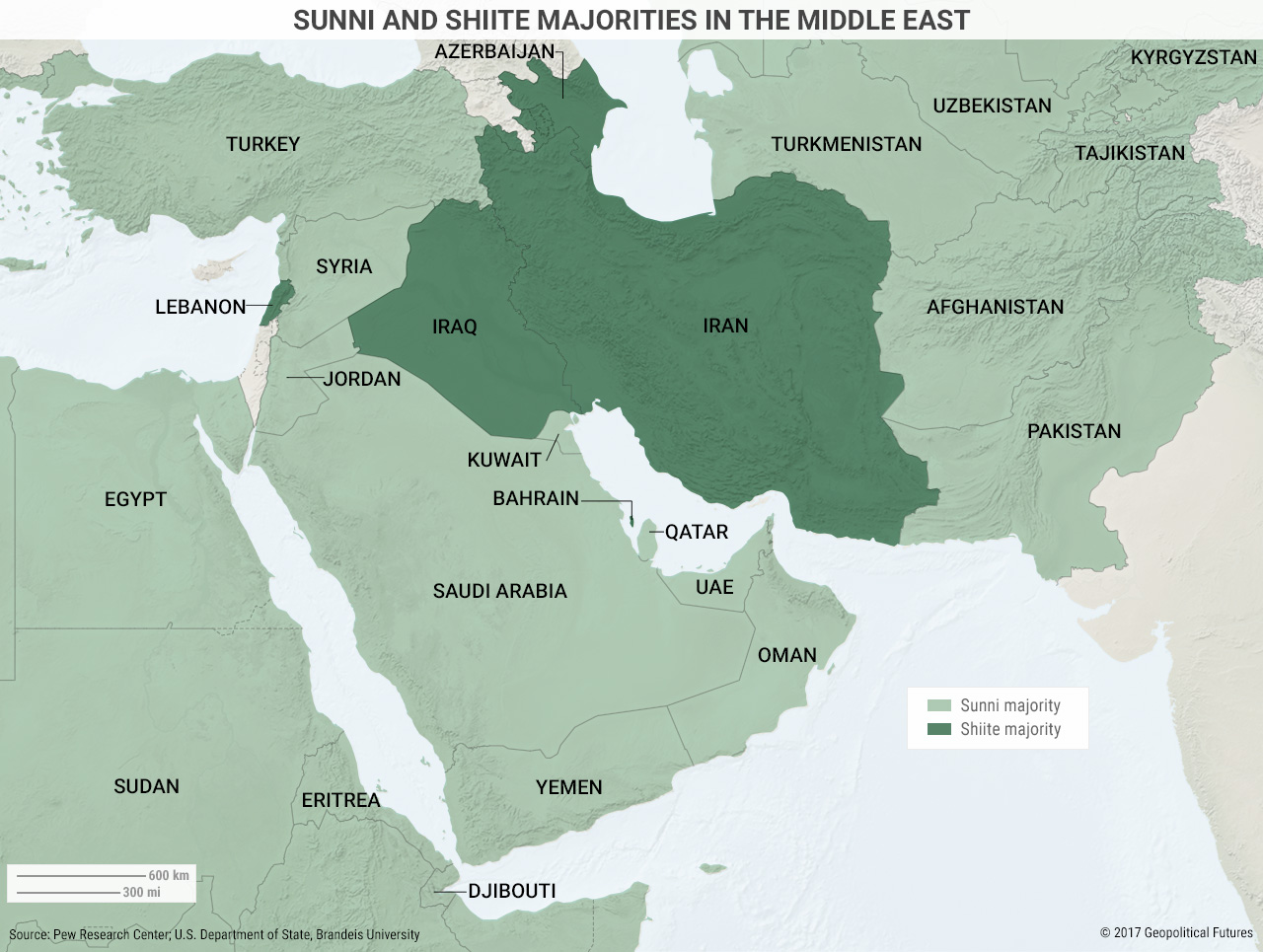
- Regional layer: Rival states fear Iranian influence across Iraq, Syria, Lebanon, and Yemen.
- Global layer: Major powers use Iran as part of a wider contest over order and leverage.
- Economic layer: Sanctions, oil flows, and shipping stability affect far beyond the region.
That mix explains why simple fixes fail. A nuclear file cannot be separated cleanly from the broader perception of encirclement. Likewise, a regional ceasefire is harder when each actor believes time favors the other side. Sachs’s point lands because it challenges the lazy assumption that the problem is technical when the crisis is actually political at the core.
“The danger is not just conflict with Iran. The danger is a policy framework that keeps producing conflict because it refuses to recognize the other side’s security logic.”
Sanctions, Isolation, and the Cost of Predictable Failure
One of the strongest parts of the argument is the skepticism toward sanctions as a standalone tool. Sanctions can signal resolve, but they often become substitutes for strategy. When sanctions are imposed without a roadmap, they can harden the very dynamics they are meant to weaken. The targeted state adapts, builds alternative trade channels, and leans on non-Western partners. Meanwhile, ordinary citizens absorb the economic pain while political elites learn to survive under pressure.
That does not mean sanctions are useless. It means they are not a policy by themselves. They are leverage, and leverage only matters if there is a negotiated outcome worth reaching. The absence of that outcome is why sanctions regimes so often turn into ritual punishment. In the case of Iran, the result has been a long-running stalemate that encourages suspicion on all sides and leaves every incident vulnerable to escalation.
Pro tip: If you are evaluating any Iran policy proposal, ask one simple question: what is the exit ramp? If the answer is vague, the policy is probably designed for signaling, not resolution.
Why the Middle East Keeps Pulling the World Back In
Iran is not just a regional issue because the Middle East itself is not just regional. Energy markets, shipping corridors, military posture, and alliance commitments pull in the United States, Europe, Russia, and increasingly China. That is why even a localized confrontation can quickly become global. The Strait of Hormuz alone gives Iran outsized strategic relevance, because disruption there would send shocks through oil pricing, inflation expectations, and industrial supply chains.
This is also why the conversation around Iran geopolitics needs more discipline. Too often, policymakers speak as if the region can be stabilized through pressure on one actor. But regional security is interactive. If one state believes its survival depends on proxies, missile forces, or nuclear hedging, then the surrounding powers respond in kind. The result is a security dilemma, not a clean victory.
The larger implication is uncomfortable: peace in the region requires architecture, not improvisation. That means confidence-building measures, realistic deterrence, and diplomacy that acknowledges each actor’s fears without rewarding aggression. It is tedious work. It is also the only work that scales.
Jeffrey Sachs on Power Politics and the Limits of Blame
Sachs is at his most persuasive when he pushes back on moral simplification. It is easy to cast one side as uniquely responsible and the other as merely reactive. But international politics rarely works that neatly. States act on perceived threats, historical grievances, and expected costs. When those factors are ignored, analysis becomes propaganda with better vocabulary.
That does not erase accountability. It clarifies it. Leaders make choices, and those choices have consequences. But if the aim is to prevent war, then blame alone is a weak operating system. The better question is what incentives are driving behavior and how they can be changed. That is where Sachs’s realism becomes useful. He is not asking anyone to like the regime in Tehran. He is asking whether the current approach reduces risk or compounds it.
“A workable Iran policy would not begin with trust. It would begin with recognizing mutual vulnerability and building a path away from escalation.”
What a Smarter Iran geopolitics Strategy Would Look Like
A more credible policy would start from first principles. It would accept that Iran cannot be coerced into permanent submission, that regional rivals also have legitimate security concerns, and that nuclear escalation is most dangerous when diplomacy is absent. That means the goal should be containment of risk, not fantasy-level regime transformation or total capitulation.
Practical moves that would matter
- Restore channels: Direct or indirect talks reduce miscalculation.
- Define limits clearly: Ambiguous red lines invite testing.
- Match pressure with relief: Offer phased incentives tied to verifiable steps.
- Separate issues where possible: Nuclear talks, regional security, and prisoner exchanges should not all be held hostage to one another.
- Plan for implementation: Agreements fail when monitoring and enforcement are treated as afterthoughts.
These are not radical ideas. They are the minimum requirements of competent statecraft. The reason they feel rare is that domestic politics often rewards toughness theater over durable outcomes. But toughness without a plan is just expensive noise.
Why This Matters Beyond Iran
The bigger lesson here extends well past Tehran. The Iran geopolitics debate is a case study in how major powers mismanage complex rivals when they confuse dominance with stability. That pattern shows up everywhere: sanctions-first thinking, zero-sum rhetoric, and a habit of treating adversaries as immutable. The result is a world that becomes more brittle, not safer.
For businesses, the implications are immediate. Energy pricing, shipping routes, and risk premiums all move when tensions rise. For governments, the costs show up in defense spending, alliance friction, and diplomatic credibility. For citizens, the consequence is a steady stream of crises that never fully end because nobody is willing to build the boring scaffolding of peace.
That is why Sachs’s intervention is worth taking seriously. It does not offer a thrilling headline or a clean villain. It offers something harder: a framework for understanding why the crisis persists and what it would actually take to reduce the odds of a larger war. In a media environment addicted to instant certainty, that kind of analysis is rare. And right now, it is exactly what the moment demands.
The information provided in this article is for general informational purposes only. While we strive for accuracy, we make no guarantees about the completeness or reliability of the content. Always verify important information through official or multiple sources before making decisions.

