Kash Patel Atlantic Lawsuit Escalates
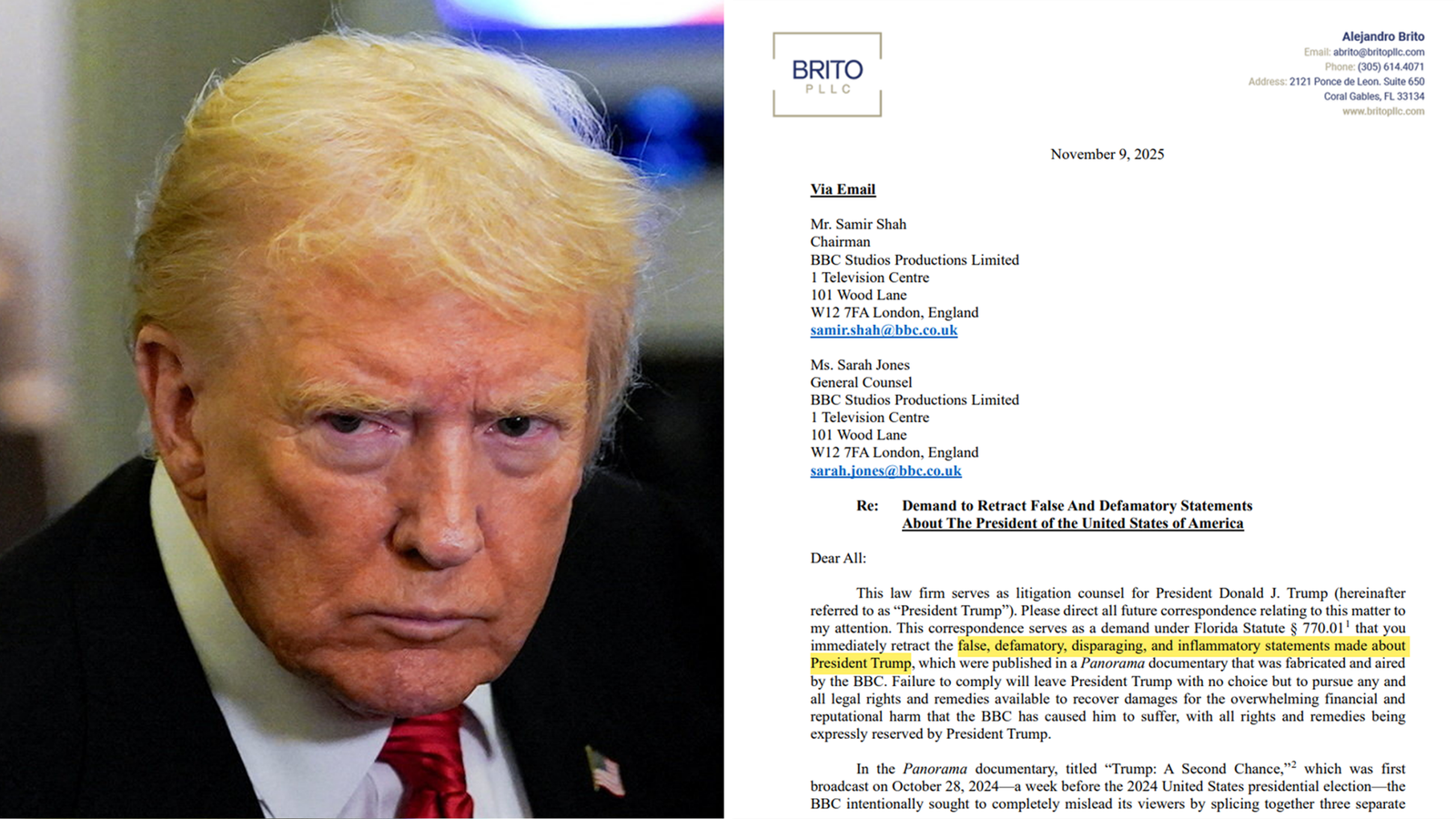
The Kash Patel Atlantic lawsuit is not just another Washington scuffle – it is a test of how far reputation, media institutions, and legal threats can bend before they break. The reporting at the center of the dispute, with its alcohol allegation and its larger portrait of power, hits the same nerve that so many modern political stories do: it mixes personal behavior, public trust, and institutional authority into one combustible package. That matters because the subject is not an anonymous bureaucrat. It is a figure whose proximity to federal power guarantees attention, suspicion, and immediate partisan interpretation. When a story like this lands, the argument is never only about one article. It is about who gets to define the narrative first, and whether the courts will be used to redraw that narrative after the fact.
- The Kash Patel Atlantic lawsuit is as much about narrative control as legal injury.
- Public figures face a steep
actual malicebar indefamationclaims. - Once litigation starts, source handling, drafts, and editorial records matter fast.
- The outcome could shape how aggressively political reporting is written and defended.
Kash Patel Atlantic lawsuit and the credibility trap
The most revealing thing about the Kash Patel Atlantic lawsuit is that it transforms a profile into a referendum on character. Alcohol allegations are never just about alcohol. They imply judgment, discipline, hypocrisy, or a lack of control, especially when attached to someone expected to project steadiness in a high-stakes environment. That is why these stories travel so quickly. They offer readers a simple emotional frame while forcing the subject to fight on terrain that is both legal and reputational.
That is also why the backlash can feel so intense. A subject who believes a report crossed the line will often see a lawsuit as the cleanest way to push back. But a lawsuit does more than object to a story. It signals that the dispute has moved from public opinion to formal confrontation. At that point, every claim, every omission, and every source decision becomes part of a larger fight over credibility.
When a public figure sues over reporting, the courtroom becomes a stage where facts, ego, and institutional trust all compete for the final word.
If the reporting was wrong, the legal challenge becomes a justified demand for accountability. If the reporting was right, the lawsuit can look like a pressure campaign designed to punish unwelcome scrutiny. In either case, the story is bigger than the original allegation. It is about whether powerful people can make discomfort expensive for the press.
Why the allegation cut through
Stories about drinking land differently from ordinary political gossip because they intersect with competence. People do not just read them as private behavior. They read them as evidence of temperament, reliability, and self-command. In a climate where institutions already face skepticism, even one allegation can become a shorthand for a broader judgment. That is what makes the Kash Patel Atlantic lawsuit so potent. It sits at the point where personal image and public office collide.
There is also a practical media reason the story spread. Alcohol is a highly legible narrative device. It compresses complexity into a single image the audience can remember. That makes it attractive to readers and dangerous for the subject. Once that image sticks, the burden shifts from whether a reporter asked the right question to whether a newsroom had enough evidence to publish it.
Why the response matters
A strong rebuttal can sometimes stop a story from metastasizing. A weak one can make the allegation feel even more plausible. But litigation changes the math. The legal response is no longer just a denial. It is an assertion that the harm is serious enough to invoke the machinery of the state. That is a high-stakes move because it tells the public two things at once: the subject is angry, and the subject believes the damage is measurable.
For media outlets, that creates an immediate problem. They have to defend the reporting while avoiding the appearance of overconfidence. The best outlets do not simply insist they were right. They show how they reported, what they verified, what they could not verify, and why the story met publication standards. That transparency is not just good optics. It is the difference between being credible and sounding defensive.
The Kash Patel Atlantic lawsuit under defamation standards
In the United States, a public figure plaintiff usually has to clear a very high bar to win a defamation case. That is by design. The First Amendment protects robust criticism of public actors, especially when the subject has chosen or accepted a position that places them in the public spotlight. The law does not exist to make reporting painless. It exists to keep fear of litigation from becoming a blanket censor.
That said, the law also does not give the press a free pass. A newsroom that publishes a false claim can still face serious consequences if it ignored obvious red flags or acted with reckless disregard for the truth. The key issue is not whether the story was uncomfortable. The key issue is whether it was responsibly assembled. That distinction is where many media disputes live or die.
The actual malice hurdle
The phrase actual malice sounds dramatic, but in legal terms it is a demanding standard. A public figure must show that the publisher either knew the story was false or acted with reckless disregard for whether it was true. That is much more than proving embarrassment, damage, or unfairness. It means the plaintiff needs evidence that the editorial process collapsed in a meaningful way.
That is why these cases are so hard to win and so useful as symbolic fights. Even if the plaintiff never reaches a courtroom verdict, the filing itself can shape public perception, intensify coverage, and invite scrutiny of the newsroom. In some cases, that is the real objective. The suit does not have to end in a victory to be effective.
What discovery changes
Once a case gets into discovery, the stakes rise again. Drafts, emails, notes, source communications, and editorial conversations can all become relevant. For reporters and editors, that is not just a procedural headache. It is a reminder that every rough draft may someday be read with hostile eyes. Good journalism can survive that exposure. Sloppy journalism cannot.
This is where the battle over institutional memory begins. If a newsroom kept careful records, it can defend its reporting with confidence. If it relied on a vague chain of sourcing, the litigation can expose how thin the original work really was. The public rarely sees that machinery, but it is often where reputation is actually won or lost.
Why the Kash Patel Atlantic lawsuit matters for journalism
There is a broader industry story hiding inside this one. Political reporting increasingly operates in an environment where every strong allegation is treated as both a news event and a political weapon. Readers want accountability, but they also want certainty. That creates pressure to publish fast and explain later. It is a dangerous bargain.
The smartest outlets are responding by tightening standards, documenting decisions, and separating verified facts from interpretation. That is not timid journalism. It is durable journalism. The more polarizing the subject, the more disciplined the reporting has to be. Otherwise the newsroom starts playing the same narrative game it claims to critique.
The appetite for elite accountability
To be fair, there is real public appetite for reporting that punches up. People want to know how power behaves when the cameras are off. They want to know whether public officials carry themselves differently from the image they project. That is legitimate journalism, and it should not be abandoned because powerful subjects dislike the consequences.
But accountability reporting is strongest when it distinguishes between provable fact and insinuation. If the evidence is solid, the story can stand on its own. If it depends on sleight of hand, then the outrage around the lawsuit may be less about censorship and more about the risks of overreach.
The cost of getting it wrong
A mistaken story can do more than embarrass a subject. It can erode trust in the outlet, hand ammunition to partisans, and make future readers more suspicious of legitimate reporting. That is why the bar for publication should be relentlessly practical. Verify the core fact. Cross-check the timeline. Separate firsthand reporting from inference. When possible, explain the evidentiary chain without overselling it.
The best defense against a damaging lawsuit is not outrage. It is a reporting process so solid that the story can survive pressure, scrutiny, and hostile discovery.
What smart communications teams should do next
For campaigns, offices, and legal teams watching this unfold, there is a useful lesson here. A crisis response should not be built on volume alone. It should be built on proof. The first job is to identify exactly what was said, what can be documented, and what should remain off the public stage until the facts are tighter.
- Separate factual rebuttals from emotional reactions.
- Preserve drafts, messages, and timelines early.
- Audit every statement for
defamationexposure. - Assume inconsistencies can surface during
discovery. - Use measured language that can survive a second look.
That advice matters because reputation crises often get worse when teams try to win the news cycle instead of the record. The safest public statement is not always the loudest one. It is the one that can be defended if the dispute becomes a deposition.
Why this matters beyond one lawsuit
The Kash Patel Atlantic lawsuit is a reminder that modern political life runs on compressed attention and permanent memory. Once a claim is published, it can travel faster than any correction. Once a legal threat is filed, it can reshape the meaning of the original story. The result is a feedback loop that rewards escalation and punishes nuance.
For politics
Political operatives now know that a damaging profile can be answered not just with a press release, but with litigation, coordinated messaging, and a broader attack on the outlet itself. That changes the incentives around every controversial story. It also means politicians and appointees will continue to use the legal system as part of their communications strategy, whether or not they expect to win on the merits.
For journalism
Newsrooms that want to survive this climate need more than courage. They need process. They need consistent standards for sourcing, editing, fact-checking, and legal review. They also need the discipline to tell readers what is known and what is not. The more transparent that process is, the harder it becomes for critics to paint every tough story as sloppy or malicious.
For readers
The audience should not treat every lawsuit as proof that reporting was wrong, and it should not treat every complaint as evidence of bad faith by the press. The right response is slower and sharper: ask what is alleged, what is verified, and what is still contested. That habit is increasingly rare, but it is the only way to navigate an information environment built on outrage.
The bottom line
The Kash Patel Atlantic lawsuit is bigger than one profile, one allegation, or one newsroom. It is a case study in how power, media, and law collide when a damaging story breaks in public. If the reporting was wrong, accountability is overdue. If it was right, the lawsuit may still succeed as theater, creating delay, doubt, and distraction. Either way, it exposes the same uncomfortable truth: in modern politics, reputation is a battlefield, and the courtroom has become one more venue for fighting over who gets to tell the story first.
The information provided in this article is for general informational purposes only. While we strive for accuracy, we make no guarantees about the completeness or reliability of the content. Always verify important information through official or multiple sources before making decisions.