Kushner Resort Plan Sparks Albania Backlash
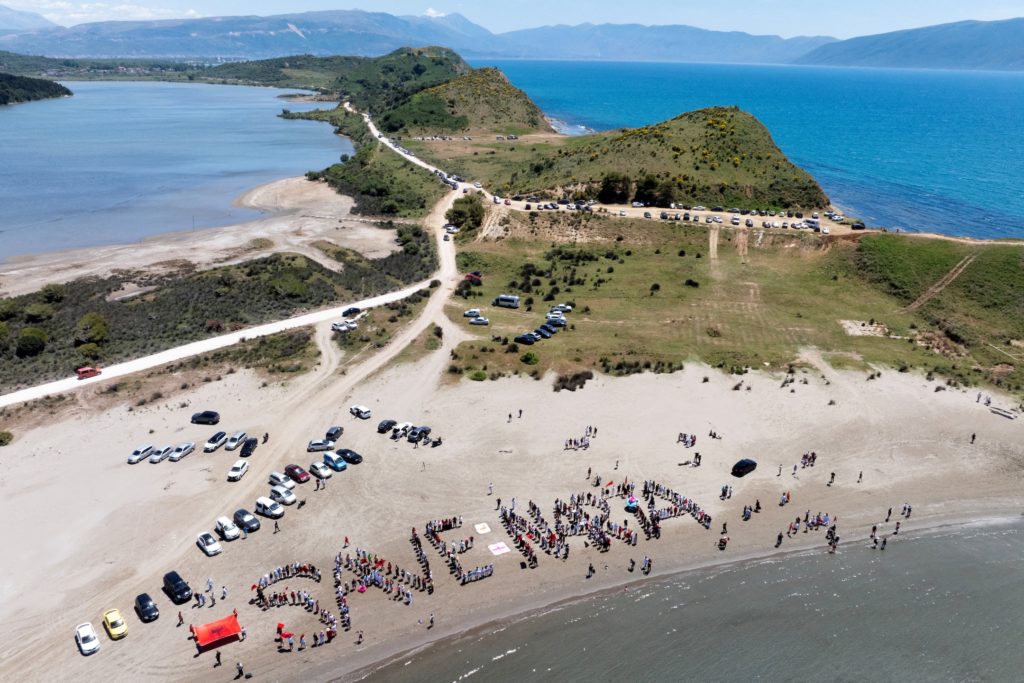
Kushner Resort Plan Sparks Albania Backlash
A luxury resort proposal can look harmless on paper until it lands in a place where land, power, and memory are all still contested. That is exactly what is happening in Albania, where a Trump-Kushner-linked resort plan has become more than a real estate story. It has turned into a stress test for how foreign investment, political proximity, and public trust collide. For residents and critics, the issue is not just whether a development might create jobs or attract money. It is whether a high-profile project can reshape a coastline without flattening the people already living there. The kushner resort plan is now sitting at the center of that fight, and the backlash is widening fast.
- The kushner resort plan is fueling protests over land, transparency, and influence.
- Supporters frame the project as investment and modernization; critics see elite access and unequal power.
- Albania’s response reflects a bigger global pattern: luxury development often arrives with political baggage.
- The outcome could shape how the country handles foreign-backed projects going forward.
- This is not only a local zoning battle – it is a referendum on who gets to define public interest.
Why the kushner resort plan matters now
The speed of the backlash matters as much as the project itself. In many countries, a resort proposal might generate the usual mix of skepticism and civic complaints. But when a plan is associated with one of the most politically potent family names in American business and politics, every permit, land transfer, and public statement becomes evidence in a much larger argument. That is what gives the kushner resort plan an outsized resonance. For critics, the concern is not merely architecture or tourism strategy. It is the possibility that influence, rather than ordinary competition, is doing the heavy lifting.
Albania has spent years trying to position itself as both a Balkan destination and an investment story. That makes it vulnerable to the same development script playing out across the Mediterranean: beach access becomes a premium asset, local communities are asked to accept disruption for future gains, and governments often promise prosperity before the first foundation is poured. The trouble is that these promises can sound abstract when set against concrete realities such as displacement, restricted access, and opaque decision-making.
What the protests are really about
On the surface, demonstrations around a resort project can appear to be about one site or one permit. They are usually about much more. In this case, the protests reflect a deeper suspicion that public land and public institutions may be bending too easily to private ambition. That suspicion is especially potent when the project is tied to a figure like Jared Kushner, whose business profile already sits inside a broader debate about the boundary between commerce and political access.
The real fight is not over a building. It is over whether political proximity can quietly turn into development advantage.
That is why the kushner resort plan has become a proxy for larger anxieties. Residents want to know who benefits, who loses, and who made the decision to move forward. If the rules are clear, transparent, and evenly applied, public resistance often softens. If they are not, every allegation of favoritism becomes harder to dismiss.
Albania, foreign capital, and the cost of speed
Countries eager for development often make the same trade: they accept fast-moving capital in exchange for promised modernization. That bargain can work when institutions are strong and public consultation is real. It breaks down when speed becomes a substitute for scrutiny. The danger is not investment itself. It is investment arriving with the assumption that local objections are just friction to be managed rather than democratic feedback to be respected.
Albania is not alone in facing this pressure. Across Southern Europe and the Balkans, luxury resorts, marinas, and branded real estate projects often arrive wrapped in language about tourism, jobs, and international prestige. But these projects can also inflate property values, strain local infrastructure, and alter shorelines in ways that are difficult to reverse. Once access is privatized or natural space is reconfigured, communities rarely get their old landscape back.
That is why the controversy around the kushner resort plan goes beyond partisan suspicion. It fits a familiar global pattern where elite developments are sold as public progress while ordinary residents absorb the tradeoffs.
The political problem no one can ignore
Any major deal involving a politically connected developer immediately raises the question of whether the line between public office and private gain has blurred. Even if a project is legally compliant, it can still fail a basic legitimacy test in the eyes of the public. That is the real challenge here. Trust is not built by insisting everything is above board. It is built by making the process visibly fair.
The Trump-Kushner brand amplifies that scrutiny because it carries a long shadow from U.S. politics. For critics, that association creates a perception problem even before shovels hit the ground. For defenders, the argument is more straightforward: if the investment is lawful and beneficial, the family name should not matter. But modern public trust is not that simple. In an era of hyper-polarized politics, the optics of access can be as consequential as the paperwork.
That is why officials handling the deal face a difficult balancing act. If they push too hard, they risk being seen as anti-development. If they move too quickly, they fuel the idea that wealth and connections can shortcut accountability.
What transparency would actually look like
If Albania wants to quiet the noise, it needs more than assurances. It needs process. That means clear disclosure of land terms, planning documents, environmental assessments, and any public incentives attached to the project. It also means allowing communities to challenge assumptions before the project is locked in.
- Publish the full development terms and any concession agreements.
- Detail who owns what and how land was acquired.
- Explain environmental and coastal impact assessments in plain language.
- Set out public benefit claims with measurable benchmarks.
- Provide a genuine forum for local objections, not a symbolic hearing.
These are not radical demands. They are the baseline for a project that asks a community to absorb long-term change. Without them, even a potentially successful resort can become a political liability.
Why this is bigger than one coastline
The most important lesson from the kushner resort plan is that modern development disputes are rarely just about construction. They are about legitimacy, institutional trust, and who controls the story of progress. When a project is framed as an economic win before the public has a chance to examine the costs, opposition is almost inevitable. People do not only resist what they fear. They resist being told that skepticism itself is unreasonable.
This matters beyond Albania because the same formula is appearing everywhere: prestige projects, private capital, political branding, and public promises that often outrun public proof. That combination can produce stunning architecture and attractive headlines. It can also produce resentment that lingers for years. In the long run, that resentment can be more expensive than any delay.
Luxury development succeeds when people believe the rules are fair. When they do not, the project becomes a symbol of capture, not growth.
What happens next
The next phase will likely determine whether this becomes a manageable controversy or a lasting political scar. If the developers and Albanian authorities respond with openness, the project may still move forward with some level of public acceptance. If they respond defensively, the protests could harden into a broader anti-elite movement around land use and corruption.
There is also a reputational risk for everyone involved. For the developers, the story becomes one of privilege and insulation. For Albanian leaders, it becomes a test of whether they can govern major investment without appearing captured by it. For the public, it becomes a reminder that once trust is damaged, even well-intentioned projects are read through a cynical lens.
The kushner resort plan may yet be built, revised, or stalled. But regardless of the final outcome, it has already exposed a central fault line in modern growth politics: not every investment is judged by what it creates. Some are judged by who gets the first and last word.
The bottom line
Albania’s protests are about more than a resort. They are about whether democracy can keep pace with capital that moves faster than public scrutiny. The project’s defenders may point to jobs, tourism, and international visibility. Its critics will keep pointing to access, power, and process. Both sides understand the stakes. The only question is whether the people making decisions are willing to prove the deal serves the public, not just the powerful.
The information provided in this article is for general informational purposes only. While we strive for accuracy, we make no guarantees about the completeness or reliability of the content. Always verify important information through official or multiple sources before making decisions.


