Labor Faces Cost of Living Revolt
Labor Faces Cost of Living Revolt
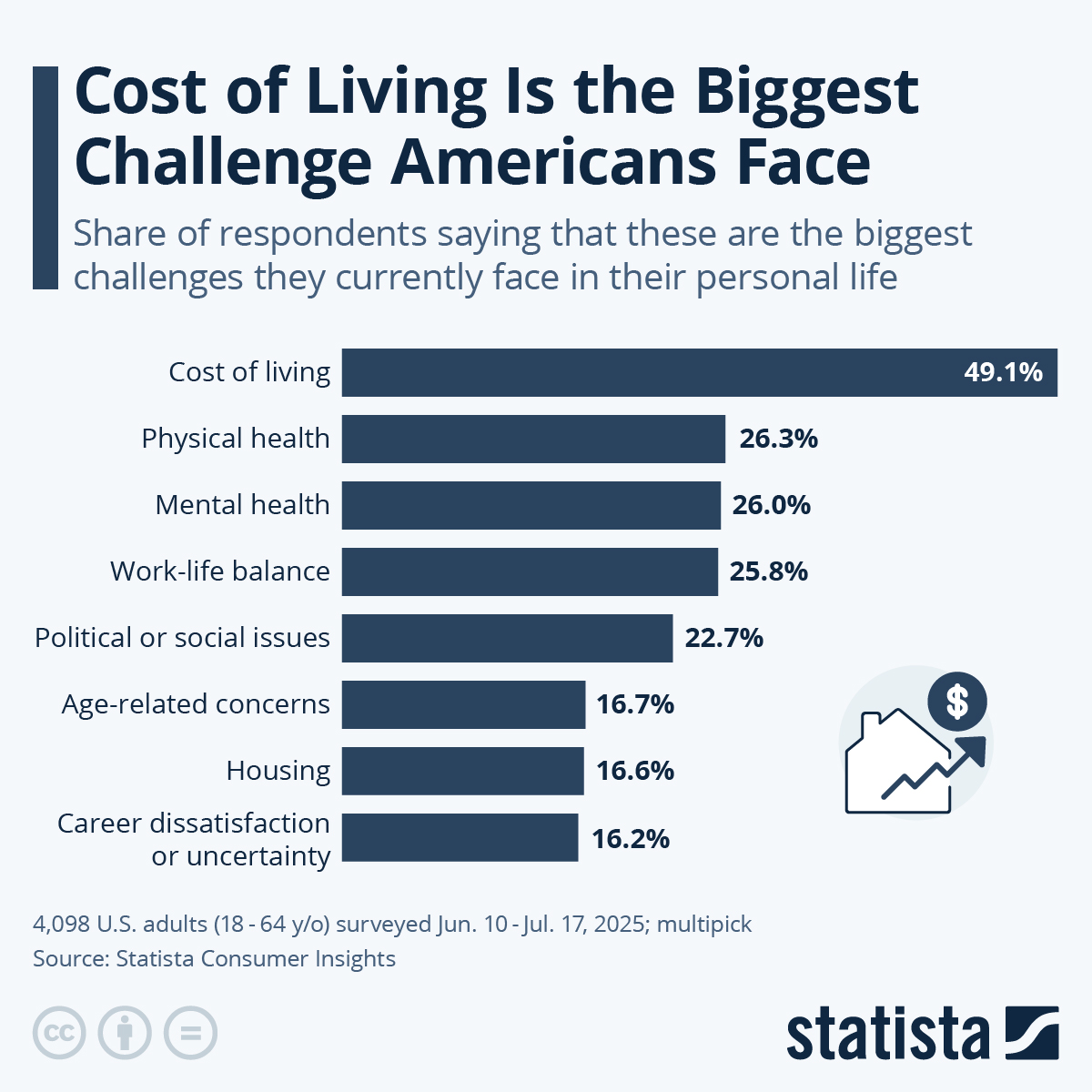
The cost of living crisis is no longer just a policy headache for Australia’s Labor government – it is becoming a political stress test with the power to redraw the electoral map. When households feel like wages are lagging, rents are punishing, and groceries keep climbing, voters stop rewarding macroeconomic nuance and start hunting for someone, anyone, who sounds like they feel the pain. That is the opening populist figures have always chased, and right now Labor faces the kind of pressure that can turn economic frustration into a durable anti-establishment backlash. The warning signs are familiar: disillusioned outer-suburban voters, regional anxiety, and a message gap between what governments say is improving and what people actually experience at the checkout, on their energy bills, and in their mortgage repayments.
- Labor’s biggest political vulnerability is the lived reality of the cost of living crisis.
- Populist challengers like One Nation can gain traction when mainstream parties look detached.
- Economic data may improve before voter sentiment does, creating a dangerous lag for incumbents.
- The next political contest will hinge on credibility, not just policy volume.
Why the cost of living crisis is now Labor’s defining risk
Governments usually want elections to be about long-term plans, fiscal discipline, or measured economic recovery. Voters under financial pressure usually want something more immediate: proof that the system is still working for them. That gap matters. If Labor cannot close it, the cost of living crisis becomes more than a tough headline – it becomes the central argument against incumbency.
The danger is straightforward. Labor may be able to point to inflation moderation, targeted relief, and broader economic resilience. But if rent remains elevated, home ownership feels further away, insurance keeps rising, and essential services stay expensive, those arguments can sound procedural rather than persuasive. Politics is often decided by emotional economics: do people feel safer, more stable, and more optimistic than they did before?
When voters think a government understands the spreadsheet but not the supermarket, political trust erodes fast.
This is where insurgent players thrive. They do not need comprehensive policy architecture. They need a sharp diagnosis, a simple villain, and a credible performance of outrage. In that environment, Labor’s challenge is not just governing well – it is making competence feel tangible.
How One Nation benefits from economic frustration
One Nation’s opportunity is not necessarily about becoming a majority force. It is about becoming the loudest vessel for diffuse anger. In modern politics, that can be enough to pressure the agenda, split coalitions, and pull debate away from centrist framing.
Pauline Hanson has long understood a core populist principle: when economic pain becomes culturally and politically expressive, voters do not always choose the most detailed plan. They often choose the clearest emotional alignment. If Labor is seen as managerial and distant, One Nation can pitch itself as blunt, local, anti-elite, and unfiltered.
The outer-suburban and regional pressure points
This matters most in communities where financial stress compounds existing dissatisfaction. Think mortgage-heavy suburbs, rent-stretched households, and regions where people already feel overlooked by metropolitan policymaking. In those places, a cost of living message can fuse with concerns about migration, energy, infrastructure, and national identity.
That fusion is politically potent because it turns one issue into many. A family squeezed by power bills may become more receptive to anti-system messaging on entirely separate fronts. Populism often scales this way: start with household economics, then broaden into a larger critique of institutions.
Why sentiment can outrun statistics
One of the most persistent problems for incumbents is the lag between economic indicators and public mood. Inflation can cool without prices feeling affordable. Interest rates can stabilize without mortgages feeling manageable. Wage growth can improve without creating a real sense of breathing room.
That lag is where Labor is exposed. If the government argues from improving topline data while voters still feel underwater, critics can cast every official claim as disconnected. For opposition movements, that is ideal terrain.
Labor’s real challenge is credibility, not messaging volume
It is tempting for governments under pressure to respond with more announcements, more rebate programs, more targeted interventions, and more carefully tuned language. Some of that helps. But when a cost of living crisis dominates political life, quantity of policy does not automatically equal quality of trust.
What voters are often testing is whether a government appears structurally honest about trade-offs. Can it admit that relief is partial? Can it show where policy is working and where it is not? Can it explain why some costs remain sticky without sounding evasive?
Credibility in a cost of living crisis comes from acknowledging pain plainly, then proving relief is real at household level.
That means Labor’s strongest defense is likely not rhetorical optimism. It is demonstrable, repeated, visible impact. If families can point to lower out-of-pocket costs, more accessible housing pathways, or better local service delivery, the government can rebuild trust. If not, frustration stays abstractly available to rivals.
What the cost of living crisis reveals about modern political volatility
This story is bigger than one election cycle. Across democracies, the cost of living crisis has become a kind of political accelerant. It compresses patience, weakens party loyalty, and rewards actors willing to turn complexity into grievance. Australia is not immune to that pattern.
For years, established parties benefited from a baseline assumption that while voters might be dissatisfied, they would still return to major-party choices when stakes were high. That assumption looks weaker when economic insecurity is persistent. Once households conclude that mainstream governments cannot materially improve daily life, the threshold for experimenting with outsiders drops.
The anti-incumbent loop
There is a repeating cycle in contemporary politics:
- Living costs rise faster than confidence.
- Governments defend gradual progress.
- Voters hear distance rather than empathy.
- Populists convert frustration into identity and blame.
That loop does not require a complete policy vacuum. It only requires enough perceived mismatch between official narratives and lived experience.
Why this matters beyond Labor
If One Nation or similar voices gain momentum from economic dissatisfaction, the impact extends beyond vote share. It changes what mainstream parties think they must talk about, how media frames voter anger, and which issues dominate campaign cycles. Even a limited surge can force larger parties to harden positions, simplify policy debates, or chase sentiment instead of shaping it.
That is why the cost of living crisis matters not just as an affordability issue, but as a system-level political risk. It can reconfigure incentives across the board.
Where Labor can still regain ground
The situation is difficult, but not predetermined. Incumbent governments can survive affordability crises if they persuade voters that relief is credible, fairly distributed, and still building. That requires discipline.
1. Make household impact measurable
Voters rarely experience policy as abstract design. They experience it as a changed bill, a shorter waiting list, a cheaper service, or a more realistic path to housing. Labor needs to communicate outcomes in concrete terms, not just aggregate terms.
That means translating policy into a kind of civic dashboard. Not a literal dashboard.json, but a simple public logic: what changed, for whom, and by how much. The clearer that chain is, the harder it is for opponents to claim nothing has improved.
2. Stop sounding surprised by voter anger
One of the fastest ways for any government to lose credibility is to imply that frustration is overblown. Even if macro conditions are stabilizing, the political fact remains that many households feel worse off. Effective leadership starts by validating that reality without defensive qualifiers.
3. Focus on persistent costs, not one-off optics
Temporary relief can buy time, but entrenched expenses shape trust. Housing, energy, childcare, insurance, and food costs are not just line items – they are recurring reminders of whether government intervention feels meaningful.
Pro Tip: Politically, recurring savings beat symbolic gestures. Voters remember what quietly improves their monthly budget more than what dominates a single news cycle.
The strategic opening for challengers is emotional clarity
Populist and minor-party operators often outperform expectations when they offer what major parties struggle to provide: a clean, emotionally coherent story. Even if the policy details are thin, the narrative can be powerful:
- You are being squeezed.
- The major parties do not really get it.
- The system protects insiders first.
- Only disruption will force change.
That message is resilient because it is built for repetition. It travels well on talk radio, social clips, local campaigning, and community frustration. It also thrives in environments where institutional trust is already fraying.
Labor cannot neutralize that simply by warning voters against extremism or oversimplification. It has to outperform the emotional logic with a better, believable alternative: yes, the squeeze is real; yes, the system feels unfair; here is what is changing and why it will hold.
What happens next in Australia’s political economy
The next phase will be decided less by economic theory than by political translation. If the government can convert stabilizing indicators into felt improvement, it may contain the backlash. If not, the cost of living crisis will remain an open invitation to parties and figures eager to turn dissatisfaction into insurgency.
That is the broader lesson here. Affordability debates are never just about prices. They are about legitimacy. They test whether democratic institutions can still respond at the speed and scale ordinary people need. When they cannot, anti-establishment politics stops looking fringe and starts looking practical to frustrated voters.
For Labor, this is the core risk: not simply that opponents will criticize its record, but that enough voters will decide the mainstream model itself no longer delivers. Once that idea hardens, winning them back becomes far harder than managing a rough headline cycle.
The cost of living crisis is therefore not a side issue, not a temporary drag, and not something spin can smooth over. It is the battlefield. And right now, it is the terrain where Labor looks most vulnerable.
The information provided in this article is for general informational purposes only. While we strive for accuracy, we make no guarantees about the completeness or reliability of the content. Always verify important information through official or multiple sources before making decisions.