Lifestyle Trends Reshaping Health Right Now

Lifestyle Trends Reshaping Health Right Now
Health is no longer confined to clinics, calorie counts, or tidy self-help mantras. It is being rewritten in public: on dance poles, dinner tables, dating apps, and social feeds. The latest lifestyle highlights from across Asia show something bigger than quirky human-interest stories. They point to a sharper shift in how people define vitality, aging, beauty, food, and personal freedom. That matters because the old playbook – work hard, slow down with age, follow the standard wellness script – is losing credibility. In its place is a more personal, sometimes contradictory model of living well. The real question is not whether these habits look unconventional. It is whether they reveal where modern health culture is headed next.
- Active aging is moving from niche inspiration to a mainstream health ideal.
- Food culture increasingly doubles as identity, tourism, and wellness expression.
- Beauty and body standards remain powerful, but consumers are becoming more selective and skeptical.
- Modern lifestyle trends are blending pleasure, performance, and self-optimization in new ways.
Why these lifestyle trends matter now
The most interesting lifestyle trends are rarely the loudest. They emerge from individual choices that seem small in isolation, then suddenly start to reflect broader social pressure or opportunity. A 60-year-old pole dancer in Singapore is not just a novelty headline. She represents a challenge to age-coded assumptions about strength, femininity, and who gets to own visible confidence. A regional obsession with spicy food is not merely a culinary footnote. It signals how local traditions can become engines of tourism, pride, and even perceived wellness.
This is where lifestyle trends become useful as a lens. They reveal what people aspire to, what they reject, and what industries are likely to monetize next. Health is no longer only about avoiding disease. It is also about capability, experience, belonging, and control.
Active aging is getting a much-needed rebrand
For years, healthy aging was marketed in overly clinical terms: mobility, bone density, heart health, flexibility. Important, yes, but hardly aspirational. What changes public perception is seeing older adults visibly doing difficult, skill-based, high-confidence activities. Pole dancing fits that shift perfectly because it combines strength, balance, coordination, and self-expression.
Why visibility matters
When people see aging represented only through caution and decline, they internalize limits earlier than necessary. But when older adults are framed as capable learners with athletic ambition, the health conversation changes. Suddenly the metric is not just how long you live. It is how much function, joy, and agency you can preserve.
Healthy aging works best when it is presented as a performance of possibility, not a checklist of restrictions.
This matters for consumers and businesses alike. Fitness platforms, wellness communities, and local studios increasingly have an opening to serve older demographics with programming built around mastery instead of maintenance. That is a major editorial and commercial shift.
The hidden lesson for readers
The obvious takeaway is motivational, but the practical takeaway is even more valuable: activities that look unconventional can still deliver classic health benefits. If traditional gyms fail to keep someone engaged, dance-based or skill-based movement may offer better long-term adherence. Consistency usually beats perfection.
Pro Tip: The best exercise routine is often the one that makes you want to come back next week. That is especially true when motivation competes with work, family, and age-related self-doubt.
Food culture is becoming a health signal, not just a pleasure signal
One of the more fascinating lifestyle trends across Asia is how regional food traditions are now interpreted through several lenses at once: authenticity, tourism, social capital, and wellness. Spicy food, for example, is often marketed as adventurous and culturally rooted, but it is also increasingly wrapped in ideas about metabolism, resilience, and sensory thrill.
Why spicy food stories resonate
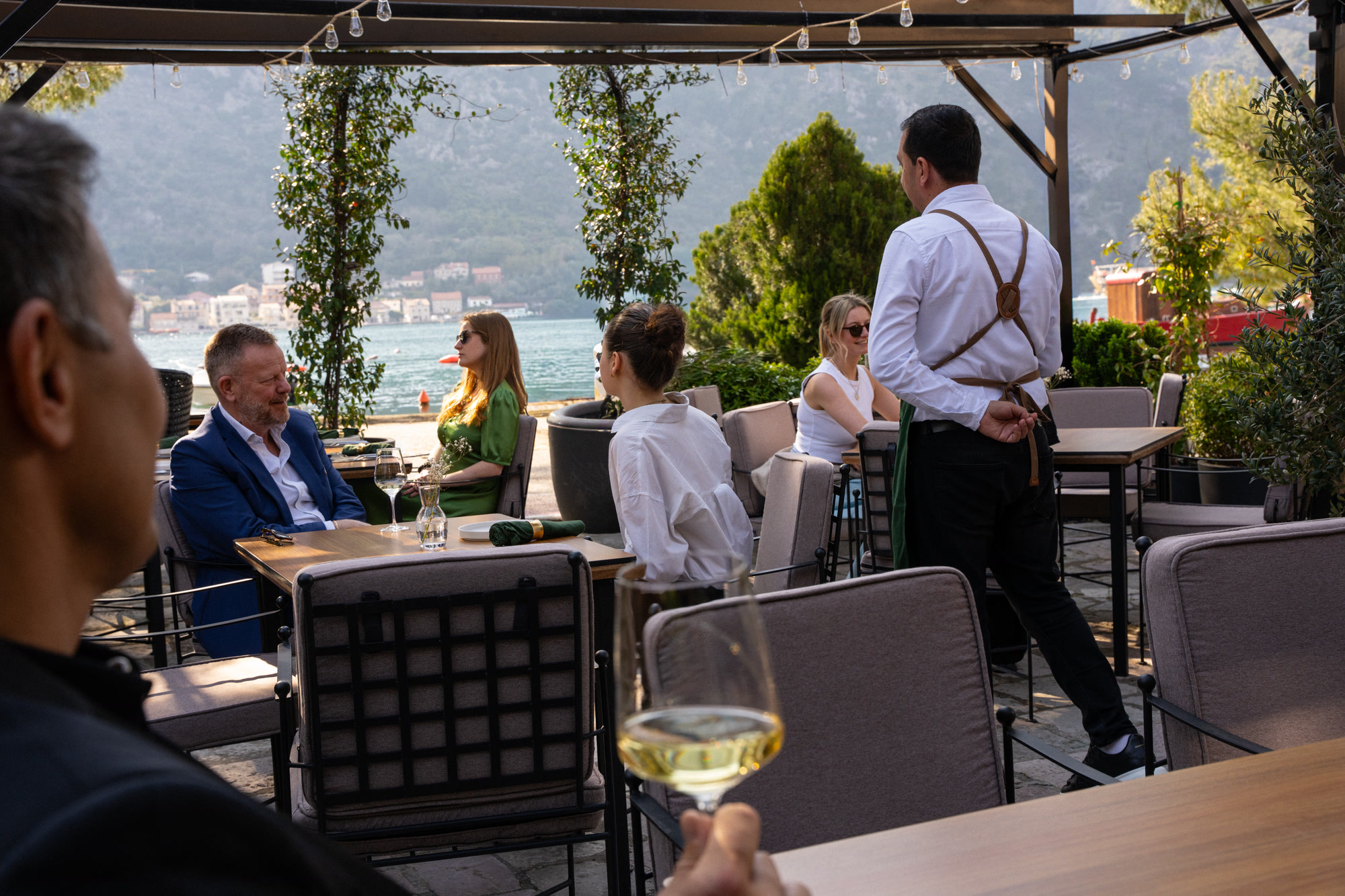
People rarely talk about food only in nutritional terms anymore. They talk about origin, ritual, identity, and bragging rights. A region known for intense flavors can turn that reputation into a larger lifestyle brand. For travelers and digital audiences, eating becomes participation. For locals, it becomes pride. For publishers, it becomes endlessly clickable because it sits at the intersection of health curiosity and entertainment.
That does not mean every spicy-food narrative is medically meaningful. It means people increasingly want food stories to carry meaning beyond taste.
The wellness halo can be misleading
Consumers should stay skeptical. Foods can be culturally important and deeply enjoyable without needing to be framed as miracle interventions. The healthiest interpretation is usually the most balanced one: flavorful eating can support satisfaction, social connection, and dietary variety, but context matters. Portion size matters. Individual tolerance matters. Overall eating patterns matter.
Still, these food-centered lifestyle trends reveal a deeper demand. People want wellness that feels alive, local, and pleasurable – not sterile.
Beauty standards are evolving, but not disappearing
Another signal running through lifestyle coverage is the persistence of appearance-driven pressure, even as audiences claim to prefer authenticity. That contradiction defines modern health culture. People want body positivity, but they also reward transformation. They claim to reject perfection, yet remain highly responsive to aesthetics, youth cues, and visible discipline.
This tension has created a more complicated market. Consumers are no longer blindly chasing every product or trend. They are more likely to ask whether a beauty or wellness practice aligns with identity, values, and budget. But the aspiration engine is still running.
What has changed
- Credibility matters more than glossy branding alone.
- Relatability often performs better than unattainable perfection.
- Longevity is replacing short-term makeover culture as a stronger sales narrative.
- Function now competes with appearance as a reason to invest in health habits.
The result is a more layered definition of self-care. Looking good still matters. Feeling capable matters more than it used to. And the strongest stories now combine both.
Modern lifestyle trends are increasingly about identity performance
There is a reason these stories travel so well online. They are not just about behavior. They are about what behavior says. Pole dancing at 60 says something about age, confidence, and discipline. Loving hyper-spicy cuisine says something about openness, regional loyalty, and taste. Lifestyle choices have become a kind of public language.
This has clear upside. People can find communities more easily, build confidence through shared interests, and redefine norms that once felt rigid. But it also introduces pressure. Once every hobby, meal, and routine carries identity value, health can become performative.
The danger of modern wellness is not that people care too much about health. It is that health can start to feel like branding.
That does not make these trends shallow. It makes them worth reading carefully. The healthiest lifestyle is not always the most visible one, and the most visible one is not always sustainable.
What readers should actually learn from these shifts
1. Choose engagement over convention
If a nontraditional activity gets you moving consistently, that is a win. A useful fitness habit does not need elite aesthetics or mainstream approval.
2. Be curious about food without romanticizing it
Cultural eating patterns deserve attention, but avoid turning every regional specialty into a wellness shortcut. Enjoyment and health can coexist without exaggeration.
3. Redefine progress with age
Modern health should include ambition at every life stage. Skill acquisition, confidence, and social connection are legitimate outcomes, not side benefits.
4. Watch for commercialization
When a lifestyle trend gains momentum, products and services quickly follow. Some will be useful. Many will simply repackage aspiration at a premium.
Why businesses and media should pay attention
These lifestyle highlights may look lightweight on the surface, but they point to serious opportunity. Brands in fitness, nutrition, travel, beauty, and digital health are all competing to own the language of modern vitality. The winners will likely be the ones that understand a simple truth: consumers want health to feel personal, expressive, and culturally grounded.
That changes product design, messaging, and audience targeting. A campaign built around anti-aging fear feels outdated next to one built around capability and reinvention. A food experience framed solely around indulgence may underperform one that also connects to tradition and sensory adventure. Editorially, the strongest stories are those that respect the intelligence of readers while still recognizing the emotional pull of transformation.
The next phase of lifestyle trends
Expect more crossover between categories that used to sit apart. Fitness will look more like entertainment. Food will look more like identity politics and tourism strategy. Beauty will borrow more language from health optimization. Aging will be marketed less as decline prevention and more as performance extension.
There is also a broader social implication. As populations age across many parts of Asia, stories that celebrate capability later in life will matter more. As consumers become more culturally self-aware, local food traditions will keep growing as lifestyle symbols. And as audiences tire of generic wellness advice, they will gravitate toward examples that feel specific, lived-in, and real.
The real signal behind these lifestyle trends
The common thread is not novelty. It is autonomy. People want permission to design health on their own terms: through movement that feels expressive, food that feels rooted, and routines that support both identity and wellbeing. That does not mean every trend deserves celebration. Some will be overhyped. Some will be commercialized into oblivion. But the directional shift is unmistakable.
Lifestyle trends now tell us as much about the future of health as many formal policy debates do. They show where motivation lives, where stigma is weakening, and where culture is rewriting the rules of what a good life looks like. That is exactly why they deserve more than a passing scroll.
The information provided in this article is for general informational purposes only. While we strive for accuracy, we make no guarantees about the completeness or reliability of the content. Always verify important information through official or multiple sources before making decisions.