Lindsey Vonn Pushes Through Pain for Cortina
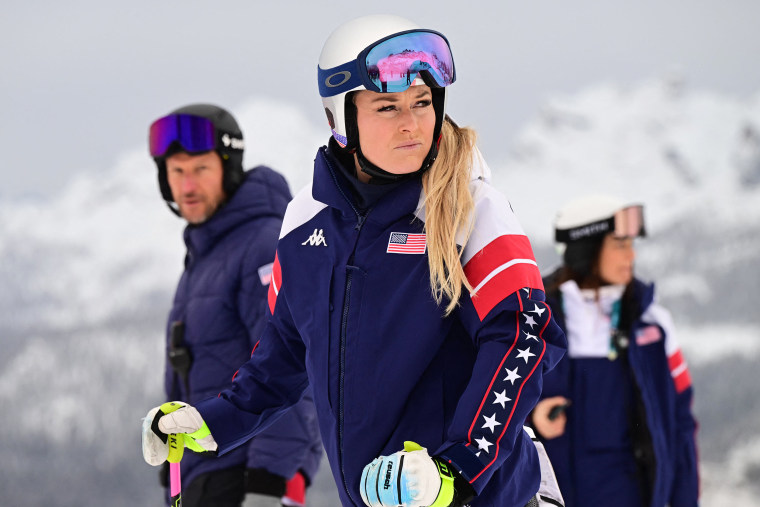
Lindsey Vonn Pushes Through Pain for Cortina
The Lindsey Vonn Cortina storyline is no longer just about comeback headlines or nostalgia-driven fanfare. It is about a brutal truth elite athletes know better than anyone: the body always sends the final invoice. After another crash disrupted her path toward the 2026 Winter Olympics in Cortina, the conversation has shifted from inspiration to calculation. How much punishment can one of skiing’s greatest champions absorb, and what does a realistic return actually look like when the margins are this thin? For fans, rivals, and anyone who follows high-performance sport, this moment matters because it exposes the gap between ambition and anatomy. Vonn’s pursuit still carries enormous emotional power, but now it also demands a colder assessment of risk, recovery timelines, and whether greatness can keep outrunning time.
- Lindsey Vonn Cortina is shaping up as one of the most emotionally charged stories of the 2026 Winter Olympics cycle.
- Her latest crash underscores how thin the line is between a heroic comeback and a medically complicated gamble.
- Recovery in elite alpine skiing is not just about healing – it is about rebuilding confidence, timing, and race readiness.
- Cortina offers symbolic weight for Vonn, but symbolism alone cannot solve the performance equation.
- What happens next could define not just her return, but her legacy.
Why the Lindsey Vonn Cortina comeback feels bigger now
Lindsey Vonn has never been an ordinary athlete, and that is part of the problem when people try to evaluate her chances like a standard roster decision. Her career has always invited extreme language: dominance, fearlessness, resilience, reinvention. That history changes how every setback is interpreted. A crash for most skiers is a medical event and a competitive obstacle. A crash for Vonn becomes a referendum on whether one of the sport’s defining stars can bend reality one more time.
Cortina matters because it is not just another Olympic venue. It represents a possible final chapter on terrain and in a setting that amplifies legacy. That creates a powerful narrative engine, but narrative does not shave seconds off a downhill run. In alpine skiing, especially at the Olympic level, the difference between medal contention and irrelevance can be microscopic. Even a slight delay in recovery can affect edge control, reaction timing, and willingness to attack technical sections at full commitment.
In elite skiing, the comeback begins long before the athlete returns to competition. It starts the moment recovery has to compete with urgency.
That is what makes this phase so compelling. Vonn is not simply trying to get healthy. She is trying to get healthy fast enough, completely enough, and confidently enough to matter in the most unforgiving environment in sport.
The crash changes the timeline and the tone
Comebacks tend to be sold as emotional arcs, but real recovery is usually messier. It is nonlinear, often frustrating, and deeply technical. A crash does not merely interrupt a training block. It can reset an athlete’s competitive rhythm, force changes in conditioning, and alter how a skier approaches speed sections or high-risk turns.
For Vonn, the latest incident injects uncertainty into three critical areas:
- Physical readiness: healing enough to withstand training volume and race stress.
- Mental sharpness: trusting the body when split-second decisions determine outcomes.
- Schedule compression: making up lost preparation time before major events.
These are not abstract variables. Alpine skiing punishes hesitation. If an athlete is even slightly protective of an injured area, that caution can show up in line choice, speed generation, or transition mechanics. Fans often focus on whether someone can return. The harder question is whether they can return at a level that justifies the risk.
Why missed time matters more in skiing than many fans realize
In some sports, a veteran can rely on instinct and game intelligence to bridge a gap in physical readiness. Skiing allows less room for compromise. Timing is not just helpful; it is structural. The athlete’s relationship with the course, the snow, the equipment setup, and body positioning has to be recalibrated constantly.
Even small interruptions can affect:
- Muscle memory under race conditions
- Confidence at top speed
- Adaptation to changing snow surfaces
- Consistency in aggressive turns and landings
That means any injury setback carries a double cost: lost healing time and lost specificity. You are not just waiting for pain to fade. You are trying to rebuild elite familiarity with danger.
What recovery really looks like at this level
Public updates on athlete recovery often sound clean and optimistic, but the reality is a layered process involving medical evaluation, rehabilitation, load management, and careful performance testing. For a skier with Vonn’s history, every phase matters because the sport repeatedly tests the exact capacities that injuries tend to compromise.
The physical rebuild
The first goal is obvious: stabilize the injury and restore function. But for an Olympic-caliber skier, basic recovery is only the baseline. The real objective is sport-specific durability. That includes lower-body strength, joint stability, balance under dynamic load, and the ability to absorb impact without compensation elsewhere in the kinetic chain.
A simplified version of the return process often looks like this:
- Medical assessment and imaging
- Pain and inflammation control
- Targeted rehabilitation
- Strength rebuilding
- On-snow reintroduction
- Race-intensity simulation
At each step, the athlete and team are effectively asking the same question: can this body tolerate the next layer of stress?
The confidence rebuild
This is the part many outside the sport underestimate. Returning from a crash is not just physical. It is neurological and psychological. The athlete must convince the body to stop anticipating failure. On a downhill course, there is no room for tentative movement. If Vonn is going to contend in Cortina, confidence cannot be partial. It has to be total.
Great skiers do not simply recover from impact. They recover the willingness to attack the next run as if the previous one never happened.
That is especially relevant for a veteran athlete. Experience helps with discipline and preparation, but it can also sharpen awareness of consequences. Younger athletes sometimes race with useful ignorance. Older champions know exactly what can go wrong.
Lindsey Vonn Cortina ambitions meet the age and risk debate
Any honest analysis of Lindsey Vonn Cortina has to deal with the subject people often avoid because it feels impolite: age. Not because older athletes cannot succeed, but because recovery windows, cumulative wear, and resilience under repeated trauma become more complicated over time.
That does not erase Vonn’s advantages. She brings technical intelligence, racecraft, preparation habits, and a level of competitive experience few athletes can match. She also understands how to manage pressure in a way younger contenders are still learning. Those are real assets.
But alpine skiing is a vicious sport for anyone trying to beat the clock. The body must generate explosive force, maintain precision at speed, and tolerate extreme physical stress. After a crash, the challenge is not just returning to a previous standard. It is proving that the old standard remains physiologically accessible.
What still works in Vonn’s favor
- Elite competitive instincts
- Deep technical knowledge of race preparation
- High pain tolerance and proven resilience
- A legacy-level ability to perform under scrutiny
What works against her
- Tighter recovery margins after setbacks
- Less room for interrupted training cycles
- Accumulated wear from a long and punishing career
- Rivals who are younger and continuously race-sharp
This is where the debate becomes interesting. Vonn does not need to be the best inspirational story in Cortina. She needs to be one of the fastest skiers on the mountain. Those are very different standards.
Why this matters beyond one athlete
The Vonn comeback conversation resonates because it taps into a broader sports question: how should we evaluate greatness when longevity collides with physical reality? Modern sports culture loves the idea of the impossible return. It rewards grit, celebrates pain tolerance, and often treats caution as a lack of will. That framing can be emotionally satisfying, but it is also simplistic.
Vonn’s situation exposes the cost of that mythology. Elite athletes are brands, stories, symbols, and competitors all at once. The pressure to keep going can come from fans, sponsors, legacy narratives, and the athlete’s own internal standard. Sometimes those forces align. Sometimes they create a dangerous fog around what success should actually look like.
That is why this moment deserves serious attention. It is not just about whether Vonn can make Cortina. It is about how sport measures bravery, when risk stops being strategic, and whether a comeback can still be meaningful even if it falls short of a podium.
The most realistic paths from here
If Vonn is going to keep the Cortina dream alive, the smartest approach will likely be disciplined rather than dramatic. That means resisting the temptation to rush visible milestones for the sake of momentum. In practical terms, a successful path forward would probably depend on three things:
- Controlled recovery: no shortcuts, even if the calendar gets uncomfortable.
- Selective competition planning: prioritize events and conditions that support confidence rebuilding.
- Honest performance testing: evaluate race pace, not just return-to-snow optics.
That last point matters most. Publicly, it is easy to frame any return as progress. Competitively, the only question that counts is whether the speed is there. Olympic qualification and medal relevance are unforgiving filters.
There is also a scenario where Vonn’s comeback remains compelling even without a fairytale ending. If she returns responsibly, competes credibly, and shows what elite resilience looks like under realistic constraints, that still carries enormous weight. Legacy is not only built on victories. Sometimes it is built on the willingness to confront limits without self-delusion.
The verdict on Lindsey Vonn Cortina right now
At this point, the Lindsey Vonn Cortina campaign looks less like a smooth comeback and more like a high-risk balancing act. The dream is still alive, but it is now tangled up with the hardest variables in sport: healing speed, confidence restoration, and the harsh mathematics of preparation time. That does not make the pursuit less admirable. If anything, it makes it more serious.
The temptation is to turn this into a binary story: either the legendary champion returns triumphantly, or the comeback was misguided. Reality is sharper than that. Vonn’s latest crash has forced everyone to confront what elite return attempts actually demand. Not sentiment. Not branding. Not memory. Results-level readiness.
And that is what makes the next chapter so fascinating. If Vonn reaches Cortina in true competitive form, it will be one of the most remarkable achievements of this Olympic cycle. If she does not, the lesson will be just as powerful: even the greatest careers eventually run into physics, time, and consequence. Greatness is not immune to those forces. It is defined by how long it dares to challenge them.
The information provided in this article is for general informational purposes only. While we strive for accuracy, we make no guarantees about the completeness or reliability of the content. Always verify important information through official or multiple sources before making decisions.


