Mamdani Pushes NYC Heat Plan
Mamdani Pushes NYC Heat Plan
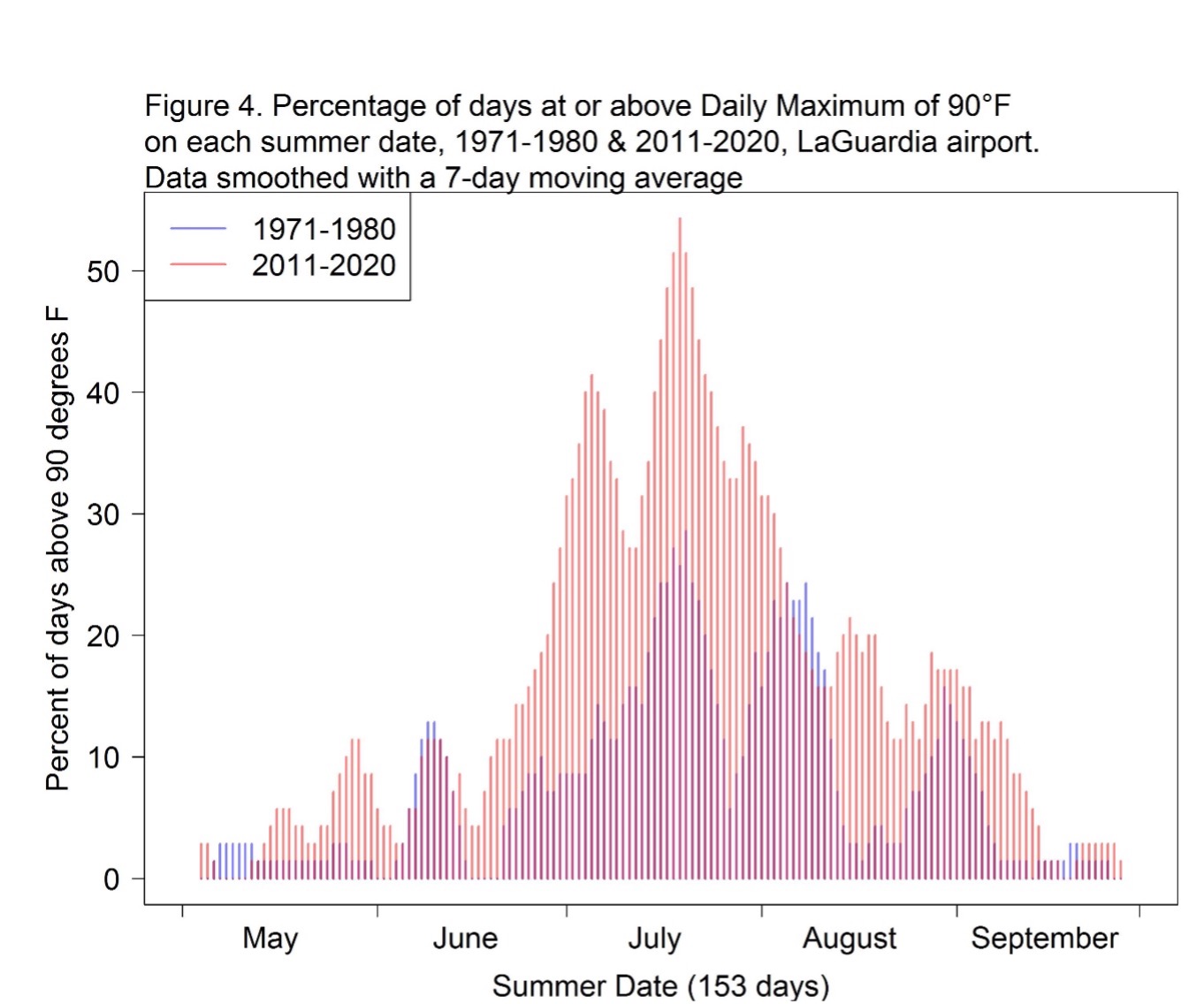
New York City is confronting a brutal reality: extreme temperatures are now a public health crisis, and the old playbook is failing fast. Heat waves are no longer rare disruptions, and cold snaps still expose the same brittle housing stock, uneven health access, and neighborhood-level neglect that have haunted the city for decades. Zohran Mamdani’s push to cut heat and cold deaths lands squarely in that gap. It is not just another policy promise. It is a test of whether City Hall can treat climate risk like the life-and-death systems failure it has become. For residents in poorly insulated apartments, seniors living alone, and families trapped in buildings with broken cooling or weak heat, the stakes are immediate. This debate is also bigger than New York. Cities everywhere are wrestling with how to turn reactive emergency response into durable protection.
- Extreme heat and freezing cold are becoming core urban public health threats.
- Mamdani’s approach ties housing, healthcare, and climate policy together.
- The real challenge is not awareness, but execution across aging buildings and uneven enforcement.
- Long-term progress depends on faster upgrades, stronger tenant protections, and targeted outreach.
Why New York City heat deaths are a policy failure, not just a weather problem
The phrase New York City heat deaths can sound like a grim statistical category, but that framing hides the real issue. These deaths are often preventable. They tend to cluster in buildings with poor ventilation, broken cooling systems, inadequate insulation, and residents who cannot afford to run air conditioning for long periods. Cold deaths come from a parallel set of failures: unreliable heat, drafty apartments, and tenants who are forced to improvise when the building system breaks down.
The city has long known this. What it has struggled to do is translate knowledge into a coordinated, neighborhood-level response. That matters because temperature-related deaths do not hit evenly. They concentrate where poverty, age, disability, language barriers, and bad housing overlap. If you want to reduce mortality, you have to think less like a weather forecaster and more like a systems engineer.
Mamdani’s pitch reframes the crisis
Mamdani’s message is compelling because it connects the dots that policymakers often leave scattered. Instead of treating heat and cold deaths as separate emergencies, his approach points toward one integrated public health and housing strategy. That means better building standards, stronger tenant enforcement, targeted outreach to vulnerable residents, and city services that can move quickly when temperatures spike.
The most important shift is conceptual: once temperature death is treated as predictable, the city is no longer responding to tragedy. It is managing risk.
This is where the politics get interesting. A plan like this is not glamorous. It will not cut ribbons on a single mega-project or produce the kind of visible win that fits neatly into campaign video. But it addresses the kind of invisible harm that urban governments too often accept as inevitable. If Mamdani can make that visible, he changes the terms of the debate.
NYC extreme heat demands a different operating model
Using NYC extreme heat as the lens, the city’s challenge becomes clearer: emergency warnings are not enough. Residents need structural protection before the forecast turns dangerous. That means more than opening cooling centers and sending alerts. It means reducing the number of homes that become ovens, especially in neighborhoods where air conditioning is unreliable, expensive, or simply absent.
Upgrade the building, not just the response
The biggest gains often come from boring improvements: better insulation, window sealing, reflective roofing, modernized ventilation, and reliable heating and cooling systems. These upgrades lower risk during both summer and winter. They also reduce energy use, which matters for families already squeezed by utility bills. In other words, the best climate adaptation policy can also be a cost-of-living policy.
For the city, the practical question is scale. How many buildings can be assessed? How quickly can repairs be forced? Which blocks should be prioritized first? The answer should not be random or politically convenient. It should be data-driven, focusing on older multifamily buildings, low-income neighborhoods, and addresses with repeated complaints or prior violations.
Enforcement is where good ideas go to die
Every city plan looks stronger on paper than in the hallway of a six-story walk-up. The real bottleneck is enforcement. If landlords can ignore cooling failures in summer or heat complaints in winter without consequence, residents are left vulnerable no matter how elegant the policy language sounds.
This is why any credible strategy must include faster inspections, larger penalties for chronic violators, and simplified reporting for tenants. It should also include multilingual outreach and emergency support for people who do not trust city agencies or do not know how to file a complaint. If the affected resident cannot access the system, the system is not working.
Why this matters beyond one election
The broader significance of Mamdani’s push is that it reflects a larger shift in urban politics. Climate policy is no longer limited to emissions targets and long-range resilience plans. It is increasingly about survival in everyday life. Cities are now being judged on whether they can keep people alive during heat waves, cold snaps, smoke events, and grid stress.
That puts housing at the center of climate adaptation. It also means public health departments, housing agencies, and emergency management teams need to operate like a single organism rather than separate bureaucracies. The old model, where each agency owns a piece of the problem and no one owns the outcome, is exactly how preventable deaths keep happening.
Pro Tip: The fastest way to make climate policy real is to tie it to housing enforcement, not just public messaging. Messaging warns people. Enforcement protects them.
What a serious heat and cold deaths strategy should include
A durable heat and cold deaths strategy cannot rely on one department or one season. It needs layered defenses that work before, during, and after temperature emergencies.
- Risk mapping: identify buildings and blocks with the highest mortality risk using complaint history, age data, and vulnerability indicators.
- Mandatory upgrades: require insulation, cooling access, and heating reliability in the most at-risk housing stock.
- Faster enforcement: shorten the time between complaint and inspection, especially during temperature alerts.
- Resident outreach: distribute multilingual guidance on cooling, heating, and emergency support.
- Accountability: penalize repeat violators and publish compliance data so patterns are harder to hide.
Those steps may sound incremental, but they are exactly how cities make measurable gains. Big speeches do not lower mortality. System design does.
The political challenge is not persuasion. It is durability
Mamdani can make a strong moral case for action, but the harder test comes after the headlines fade. Temperature deaths are the kind of problem that exposes the limits of attention-driven governance. Once the weather cools or the heat breaks, urgency evaporates. Budgets shift. Agencies revert. Landlords stall. The city moves on until the next emergency.
To avoid that cycle, the plan has to be built to survive political turnover. That means embedding it in inspection regimes, capital budgets, and public reporting, not just campaign rhetoric. It also means designing policies that can outlast a single mayoral cycle. If the city wants fewer dead residents next summer and next winter, it needs institutional memory, not just political will.
The future of urban safety is climate-aware housing
If New York gets this right, it could become a template for other cities facing the same pressure. Chicago, Phoenix, Houston, Los Angeles, and older Northeastern metros are all wrestling with the same reality: the home has become a frontline climate asset. It can protect people or expose them. The difference often comes down to whether local government treats housing as infrastructure.
That is the deeper promise in this debate. Not just fewer deaths, but a new standard for what city government owes its residents. In that sense, Mamdani’s push is about more than a single policy fight. It is about deciding whether the city accepts extreme temperatures as background noise, or whether it finally treats them as a solvable threat.
The answer will say a lot about New York. It will also say a lot about whether American cities are ready to govern for the climate reality they already live in.
The information provided in this article is for general informational purposes only. While we strive for accuracy, we make no guarantees about the completeness or reliability of the content. Always verify important information through official or multiple sources before making decisions.