Man City Blasts Premier League Verdict
Man City Blasts Premier League Verdict
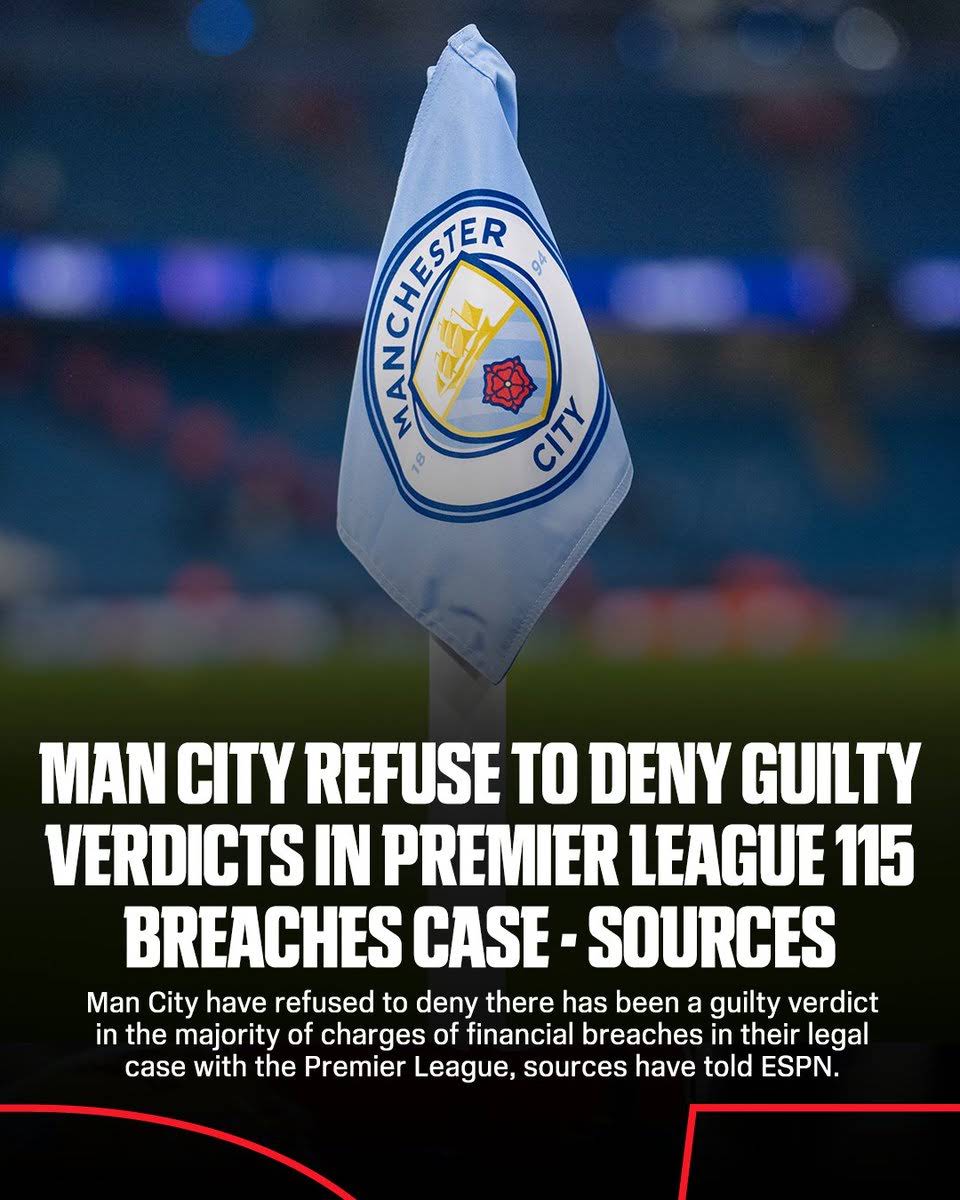
When a club as powerful as Manchester City claims a ruling is rooted in conspiracy, the story stops being a narrow legal dispute and becomes a referendum on how elite football is governed. The Man City Premier League verdict has landed in a climate already thick with suspicion, money, and institutional mistrust. For fans, the pain point is simple: nobody wants the league table to feel like a courtroom exhibit. For clubs, the stakes are even higher. Governance decisions now shape transfer strategy, sponsorship deals, investor confidence, and competitive legitimacy. City’s chief executive has turned the volume up by framing the verdict as something more than procedural disagreement. That matters because the Premier League is not just policing rules. It is trying to preserve belief in the fairness of its own product.
- The core dispute is about trust: City’s leadership is challenging not only the outcome, but the credibility of the process behind it.
- The Premier League faces a governance test: Its rules must be enforceable, transparent, and seen as fair by rivals and supporters.
- Financial regulation is now a sporting battleground: Rules around revenue, sponsorship, and club ownership increasingly influence who can compete.
- The verdict could reshape club strategy: Legal risk is becoming as important as recruitment, coaching, and commercial growth.
Why the Man City Premier League Verdict Hits a Nerve
The language reportedly used by Manchester City’s chief executive is not accidental. Calling a verdict conspiracy-based is a deliberate escalation. It suggests that City believes the decision was shaped by preconceptions, rival pressure, or institutional bias rather than neutral interpretation of rules. Whether supporters buy that argument depends largely on what they already believe about City, the Premier League, and football’s new money era.
This is the central tension. Manchester City are both a sporting superpower and a political lightning rod. Their dominance has been built on elite coaching, world-class recruitment, and one of the most sophisticated football operations in the game. It has also been shadowed by years of scrutiny over finance, ownership, sponsorship structures, and compliance with Financial Fair Play-style regulation.
Key insight: The fight is no longer only about whether a club followed the rules. It is about who gets to define the rules, who enforces them, and whether enforcement can survive accusations of bias.
That is why the Man City Premier League verdict matters beyond the Etihad. If City can persuade fans and stakeholders that the process is politically motivated, the league’s authority weakens. If the Premier League can demonstrate that its framework is independent, consistent, and evidence-led, it strengthens the case for tighter financial oversight across English football.
The Verdict Is Really About Football’s Power System
Modern football is not just a sport. It is a network of broadcasters, state-linked investment, private equity, global sponsors, fan communities, regulators, and legal teams. Every major ruling now collides with that ecosystem. The Premier League’s challenge is to regulate clubs that are also its commercial engines. Manchester City’s challenge is to defend a model that has produced extraordinary success while attracting extraordinary scrutiny.
There is a reason disputes around associated party transactions, sponsorship valuation, and owner-linked revenue have become so explosive. These rules determine whether clubs can convert ownership strength into spending power. For traditional powers, such regulations are a shield against financial disruption. For emerging powers, they can look like a gatekeeping mechanism designed to protect the old elite.
The conspiracy claim is a strategic move
City’s framing should be read as both legal and reputational strategy. In high-stakes sport, public narrative matters. A club does not need to convince every rival fan. It needs to consolidate its own base, challenge the legitimacy of the opposing institution, and signal confidence to sponsors, players, and investors.
That does not mean the conspiracy claim is automatically persuasive. Strong allegations require strong evidence. But as a communications tactic, it forces the Premier League onto defensive ground. Instead of only explaining the verdict, the league must also defend its motives, procedures, and independence.
Editorial view: City are not merely contesting a decision. They are contesting the authority structure of the Premier League itself.
What Fans Should Watch After the Man City Premier League Verdict
For supporters, the legal language can feel abstract. But the practical consequences are not abstract at all. The outcome of these disputes affects squad building, transfer budgets, commercial deals, and competitive balance. It may also influence how quickly other clubs test the limits of financial regulation.
- Transparency: Will the Premier League explain the reasoning clearly enough for non-lawyers to understand?
- Consistency: Are similar clubs and similar transactions treated in similar ways?
- Appeals and further litigation: Does the dispute end here, or does it become a longer legal campaign?
- Market impact: Do sponsors, investors, and players view the club as stable or exposed?
- Rule changes: Will the league tighten, rewrite, or soften parts of its financial framework?
The most important word here is consistency. Fans can accept harsh punishments more easily than arbitrary ones. Clubs can plan around strict rules more easily than unclear ones. The Premier League’s credibility depends on proving that enforcement is not selective, reactive, or shaped by the lobbying power of rivals.
Pro tip for reading the next wave of coverage
Ignore the loudest tribal reactions and look for specifics. Which rule is being disputed? What evidence was considered? Was the issue procedural, financial, or interpretive? In football governance, the difference between a technical breach and a systemic failure is enormous. Treat broad claims about corruption or vindication with caution unless they are backed by clear findings.
The Premier League Has a Transparency Problem
The Premier League sells itself as the most competitive and marketable domestic league in the world. That brand relies on trust. Yet its governance often operates in a fog of confidential hearings, partial statements, legal limits, and club-by-club briefings. That opacity creates space for suspicion. When a powerful executive alleges conspiracy, the claim lands because the system already feels difficult for outsiders to audit.
This is not unique to English football. Global sport is full of disciplinary bodies trying to balance confidentiality with public accountability. But the Premier League’s commercial scale makes the problem sharper. It cannot ask supporters to emotionally invest in a competition while leaving them confused about how major regulatory decisions are made.
There is also a risk for the clubs pushing for tougher enforcement. If rules appear designed to restrain only certain ownership models, the moral high ground erodes. Financial regulation must protect sustainability and fairness, not freeze the hierarchy in place. A league that claims to value competition cannot allow governance to become a proxy war between established powers and newer challengers.
Why This Matters for Football Finance
The financial model of elite football is changing faster than its rulebook. Clubs are no longer just local sporting institutions. They are media assets, real estate anchors, global brands, and political symbols. That complexity makes regulation harder. It also makes regulation unavoidable.
Without credible rules, the richest owners can overwhelm the market. With poorly designed rules, ambitious clubs can argue they are being blocked from competing. The sweet spot is difficult: encourage investment while preventing artificial inflation, hidden subsidies, and reckless spending.
The Premier League must now show that its financial controls are more than defensive architecture. They need to be principled, modern, and resilient under legal attack. If the league loses the trust battle, every future charge, verdict, or rule change will be interpreted through the same lens: politics first, evidence second.
The future could bring a harder regulatory era
Expect clubs to invest more heavily in legal operations, compliance departments, and financial modeling. Transfer departments already use data to find value on the pitch. Now boardrooms will use legal scenario planning to test the boundaries of regulation before deals are signed.
That shift will favor the richest and most sophisticated organizations. Ironically, tighter regulation can create a new advantage for clubs with the resources to fight, interpret, and challenge every line of the rulebook. Smaller clubs may face the same rules without the same legal firepower.
City’s Gamble Is Bold but Risky
Manchester City’s posture may energize its supporters and pressure the league, but it carries risk. If the broader football public sees the conspiracy argument as deflection, the club’s reputation could harden further among skeptics. If future findings contradict City’s framing, the rhetoric may age badly.
Still, the club’s approach reflects a clear calculation. City are not behaving like a defendant hoping the controversy disappears. They are acting like an institution prepared to fight for its interpretation of modern football economics. That matters because City’s project has never been only about winning matches. It has been about building a durable global football machine.
The bottom line: This dispute is a stress test for the Premier League’s entire governance model, not just Manchester City’s legal position.
The game needs rules. It also needs rules that can withstand pressure from billion-pound clubs, angry fanbases, and rival interests. The next phase will reveal whether the Premier League can communicate authority without appearing defensive, and whether Manchester City can turn a conspiracy claim into a credible argument rather than a combative headline.
For now, the Man City Premier League verdict has done what football’s biggest controversies always do: it has dragged the hidden machinery of the sport into public view. The question is whether that exposure leads to better governance or just another season of suspicion.
The information provided in this article is for general informational purposes only. While we strive for accuracy, we make no guarantees about the completeness or reliability of the content. Always verify important information through official or multiple sources before making decisions.