Markets Brace for the Jobs Report
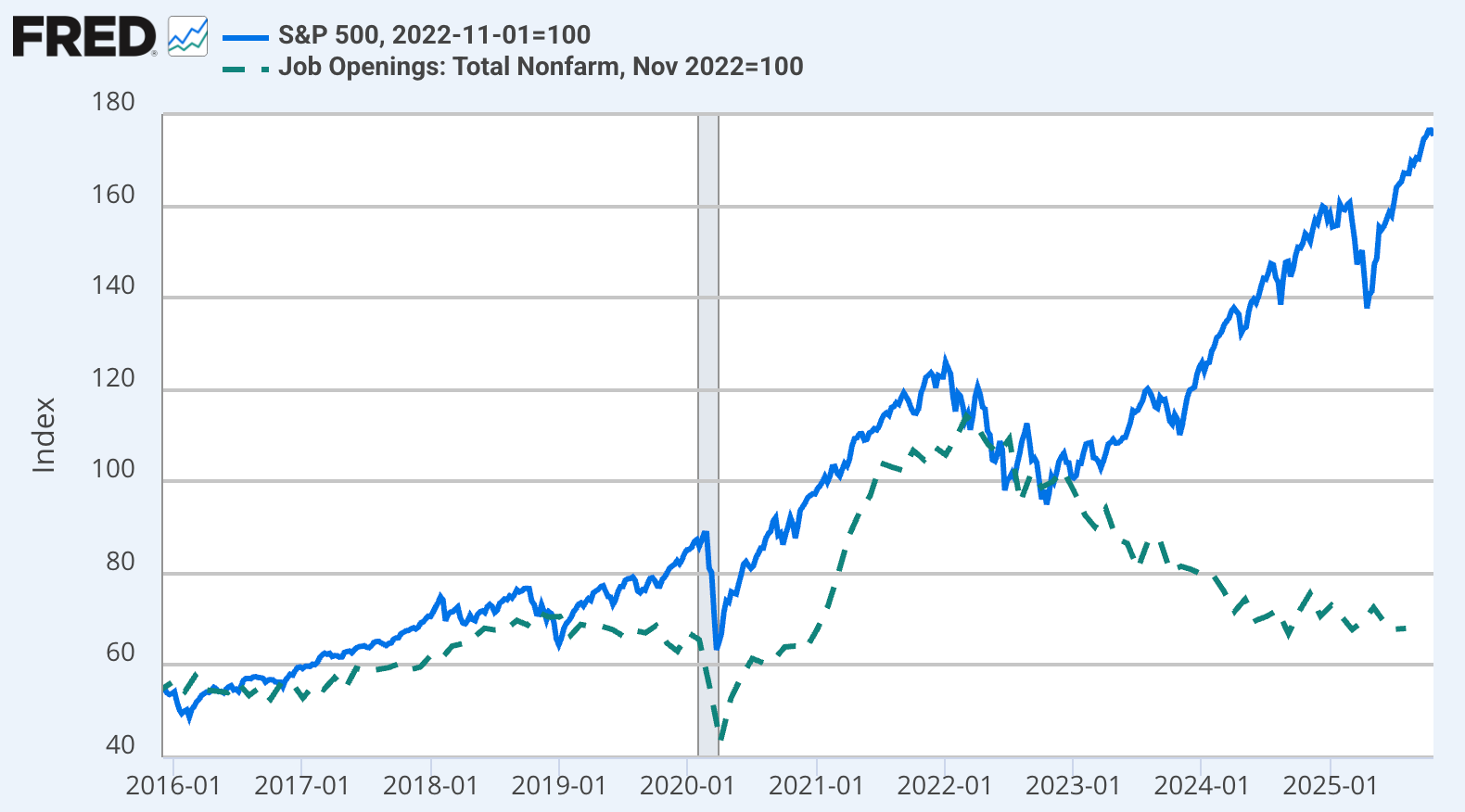
The stock market jobs report cycle has become one of Wall Street’s most volatile rituals. A single labor print can reset expectations for interest rates, reprice growth stocks, and reshape the mood across bonds, equities, and currencies before lunchtime. For investors, executives, and anyone trying to decode the economy, this is not just another data release – it is a pressure test for the entire market narrative.
That tension exists because jobs data now carries two messages at once. A strong labor market can signal economic resilience, but it can also keep inflation concerns alive and delay hoped-for rate cuts. A weaker report might soothe central bank hawks, yet raise fresh doubts about corporate earnings and consumer demand. The result is a market that no longer treats employment data as a simple good-news story. It treats it as a high-stakes balancing act.
- The jobs report is now a market-moving macro event because it influences rate expectations almost instantly.
- Strong hiring is not always bullish if investors think it keeps the central bank restrictive for longer.
- Weak labor data can lift some sectors while simultaneously increasing recession fears.
- Traders watch wages, participation, and revisions – not just the headline payroll number.
- The bigger story is market positioning: how prepared investors are matters nearly as much as the data itself.
Why the stock market jobs report matters more than ever
There was a time when investors could celebrate robust hiring without overthinking it. That era feels distant. Today, every major labor release is filtered through a more complicated macro lens: What does it mean for inflation? What does it mean for central bank policy? What does it mean for future earnings?
That is why the stock market jobs report has become such an outsized event. Payroll growth, unemployment, average hourly earnings, and labor-force participation are no longer just indicators of economic health. They are inputs into a larger machine that determines borrowing costs, valuation multiples, and risk appetite.
The market is not reacting to jobs in isolation. It is reacting to what jobs imply about the price of money.
That distinction matters. If labor data comes in hotter than expected, investors may conclude that policymakers have less room to cut rates. That can pressure rate-sensitive corners of the market, especially high-growth technology names whose valuations depend heavily on future earnings. If the report lands softer, investors may welcome lower policy pressure, but only if the weakness does not look like the start of a broader slowdown.
In other words, the labor market has become a translation layer between the real economy and financial markets.
How investors actually read a jobs report
Most headlines focus on the top-line payroll number. That is understandable, but it is rarely the full story. Professional investors tend to read the report more like a mosaic than a scoreboard.
The headline payrolls number
This is the first figure most people see. It tells the market how many jobs were added or lost in a given month. A large upside surprise often signals economic momentum, while a downside miss can trigger concern. But even here, context is everything. A payroll gain that looks impressive on paper may feel less convincing if prior months are revised lower.
The unemployment rate
The unemployment rate often shapes the emotional reaction. A low rate can reflect resilience and continued demand for workers. But if it remains too low for too long, markets may worry that wage pressure stays elevated, complicating the inflation outlook.
Wage growth
This is one of the most important numbers in the entire report. Average hourly earnings can move markets sharply because wages tie directly into inflation concerns. If wages are rising too quickly, investors may fear that price pressures will remain sticky.
A jobs report with moderate hiring but hot wages can be more market-moving than a blockbuster payroll print.
Participation and revisions
Labor-force participation helps reveal whether more people are entering or leaving the workforce. Revisions to previous months can also change the market’s interpretation fast. A headline beat can fade quickly if earlier strength gets revised away.
This is why experienced market participants rarely rely on the first number alone. They study the composition of the report and ask a tougher question: does this data support the market’s current story, or break it?
The real market question is rates
At the center of every major labor release is a policy debate. Markets are trying to estimate what the central bank will do next, and the jobs report is one of the clearest real-time indicators of economic heat.
If hiring remains strong, wages stay firm, and unemployment holds low, policymakers may decide the economy can tolerate higher rates for longer. That tends to support the dollar and weigh on rate-sensitive equities. It can also push Treasury yields higher, tightening financial conditions across the board.
On the flip side, softer labor data can revive hopes for easier policy. That often helps segments of the market that benefit from lower discount rates, including speculative growth names and other duration-heavy assets. But that optimism only lasts if investors believe the slowdown is manageable.
This is the market’s dilemma: it wants labor data that is weak enough to cool inflation, but not weak enough to threaten earnings.
Who wins and loses after the stock market jobs report
Not every sector responds the same way. The market reaction often depends on which part of the economy is most exposed to rate changes, consumer demand, or financing stress.
Technology and growth stocks
These stocks tend to be highly sensitive to interest-rate expectations. Strong jobs data can pressure them if yields rise. Softer data can provide relief, especially when investors expect lower future borrowing costs.
Financials
Banks and other financial firms can benefit from economic strength, but they also face complications when policy uncertainty climbs. If markets interpret a strong report as inflationary, the yield curve and lending outlook become more complicated.
Consumer sectors
Retailers, travel companies, and consumer discretionary names often react through the lens of household confidence and spending power. Strong employment supports consumption. But if wage growth fuels broader inflation, household budgets can still come under pressure.
Defensive plays
Utilities, staples, and health-related names may outperform when labor data raises recession worries or broad market volatility. Investors tend to rotate toward stability when macro uncertainty spikes.
The important takeaway is that the jobs report does not create one universal market reaction. It creates rotations.
Why this matters beyond Wall Street
It is easy to treat the labor report as an abstract market event, but the consequences extend far beyond trading desks. When jobs data changes rate expectations, it eventually affects mortgage costs, business investment, startup funding, credit-card interest, and hiring plans.
For companies, a market repricing around labor data can alter financing conditions almost overnight. For households, it can shape whether loans get more expensive and whether inflation relief arrives sooner or later. For policymakers, it becomes another test of whether the economy is slowing smoothly or stumbling into something worse.
The jobs report matters because it connects everyday economic reality to the financial system’s cost of capital.
That is also why business leaders track it so closely. A labor market that stays too hot may keep input costs elevated. A labor market that cools too quickly can weaken demand. Neither outcome is simple.
What smart investors watch next
The market rarely digests the jobs report in one clean move. The first reaction is often emotional. The more durable move comes after investors compare the labor data with inflation trends, corporate guidance, consumer spending, and bond-market behavior.
That means the smartest read is usually not, Was the report strong or weak? It is, Did the report change the macro path?
Here are the practical signals investors tend to monitor after a major labor release:
- Treasury yields: A sharp move higher usually signals concern that policy will stay tighter.
- Rate futures: These markets show whether traders are repricing the timing of cuts or hikes.
- Sector rotation: Watch whether money flows into defensives, cyclicals, or growth.
- Management commentary: Executives often reveal whether labor costs or demand are becoming more problematic.
- Revisions in the following month: Initial jobs prints can look very different after updates.
The bigger shift investors should not ignore
The modern market is operating in a regime where macro data can outweigh company-specific news for days at a time. That is a major change from periods when earnings or product launches dominated the conversation. Now, one jobs report can reset the valuation framework for entire sectors.
This shift has made investing feel less linear. Good economic data can hurt stocks. Bad economic data can help them – briefly. The relationship between fundamentals and price action is being mediated by policy, inflation, and positioning.
That does not mean the market is irrational. It means the market is discounting multiple layers of consequence at once. Labor strength affects inflation. Inflation affects rates. Rates affect valuations. Valuations affect risk appetite. By the time a jobs number hits the tape, the reaction is already about much more than employment.
Final take on the stock market jobs report
The stock market jobs report has evolved into one of the clearest examples of how tightly finance and the real economy are now linked. Investors are no longer asking whether jobs growth is good. They are asking whether it is too good, too weak, or exactly soft enough to keep the expansion alive without reigniting inflation pressure.
That is a narrow target, and markets rarely hit it gracefully. Expect volatility, sharp reversals, and endless debate over what each labor print really means. But the underlying logic is straightforward: employment data now helps determine the path of money, and the path of money still drives almost everything else.
For anyone watching markets seriously, the jobs report is not just another economic release. It is the signal that tells investors how much room the economy has left to run – and how expensive that run might become.
The information provided in this article is for general informational purposes only. While we strive for accuracy, we make no guarantees about the completeness or reliability of the content. Always verify important information through official or multiple sources before making decisions.


