Mbappe Abuse Probe Exposes Football’s Ugly New Reality
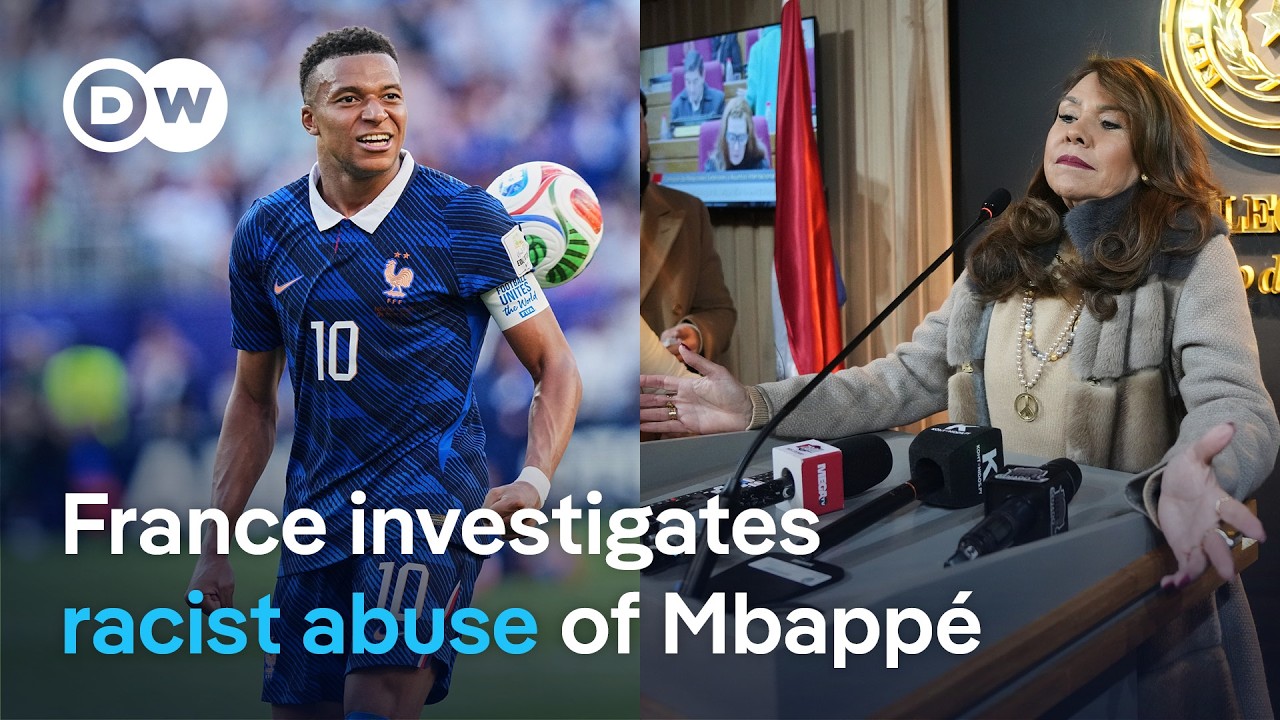
Mbappe Abuse Probe Exposes Football’s Ugly New Reality
Racism in football is not a surprise anymore. The surprise is how often the sport still has to rediscover the same lesson under fresh outrage, new platforms, and bigger audiences. The investigation into alleged racist abuse directed at Kylian Mbappe is more than another ugly headline. It is a stress test for French football, for prosecutors, and for a global game that loves to brand itself as progressive while relying on old systems that struggle to stop abuse in real time. For a player as visible as Mbappe, every incident becomes a referendum on whether institutions can protect stars, punish hate, and keep the match from being hijacked by the worst instincts of the crowd.
- The French prosecutors’ probe underscores how seriously racist abuse is being treated legally, not just culturally.
- Mbappe’s profile turns the case into a wider test of football’s tolerance for hate.
- Clubs, leagues, and platforms are under pressure to improve reporting and evidence gathering.
- The real issue is not only punishment – it is prevention, detection, and accountability.
- This case may shape how future abuse incidents are documented and prosecuted.
Why the Mbappe abuse probe matters now
The timing is what makes this story hit harder. Football has spent years promising stronger anti-racism action, but each new case exposes the same gap between rhetoric and reality. The Mbappe abuse probe matters because it takes the issue out of the vague realm of condemnation and into the more serious world of criminal investigation. That changes the incentives. It signals that racist abuse is not just bad behavior tolerated by atmosphere, but potentially actionable conduct with legal consequences.
Mbappe is not an ordinary target. He is one of the most recognizable athletes on the planet, a commercial engine, a national symbol, and a player whose performances shape the identity of modern French football. When someone of that stature is targeted, the message to everyone else is brutally clear: if hate can reach him, it can reach anyone. That is why these cases reverberate so far beyond one match, one stadium, or one set of supporters.
Racist abuse in football is no longer just a disciplinary problem. It is a systems failure that exposes weak reporting, slow enforcement, and institutions that still rely too much on outrage after the fact.
What prosecutors are really being asked to do
Prosecutors stepping in changes the tone of the entire debate. In stadiums, football authorities often respond with statements, bans, and fines. Those measures matter, but they are often too blunt, too slow, or too dependent on clear identification of offenders. A legal investigation asks a different question: can the abuse be documented, attributed, and pursued under the law?
That means the process becomes less about public relations and more about evidence. Video footage, eyewitness accounts, digital trails, security logs, and matchday reports all become critical. The burden shifts toward making abuse legible to the justice system. That is a higher bar, but it is also why such investigations can create a real deterrent effect if they are followed through.
The evidence problem
One of the biggest challenges in racist-abuse cases is not proving that abuse happened in a broad sense. It is proving who said what, when, and from where. Stadium noise, crowd size, and the speed of live events make attribution difficult. That is where modern surveillance, fan-reporting tools, and coordinated stewarding become essential. Without them, football keeps punishing the smoke while never fully catching the arsonist.
Pro tip: clubs and federations need incident-response systems that preserve evidence immediately, rather than waiting for social media clips to do the work after the fact.
Mbappe abuse probe and football’s accountability gap
The Mbappe abuse probe also shines a light on a broader accountability gap. Football loves symbolic gestures. Anti-racism banners. One-minute silences. Hashtags. Wristbands. But the sport remains inconsistent when it comes to the harder part: identifying offenders, coordinating with law enforcement, and accepting short-term reputational pain in exchange for long-term credibility.
That gap exists because the incentives are messy. Clubs want to protect their brand. Leagues want to preserve the spectacle. Broadcasters want clean product. And fans, even well-meaning ones, often want justice fast but not necessarily the costly structural reforms that true accountability demands. Racism thrives in that ambiguity.
For Mbappe, the symbolism is especially sharp. He represents football’s polished, modern, globally marketable face. He is the kind of player leagues use to sell ambition, diversity, and excellence. When that face is met with racist abuse, it reveals the limits of football’s self-image. The game can market inclusion all day long, but unless it can enforce it, the branding becomes little more than decoration.
Why star players change the stakes
Star players attract attention, but they also attract institutional pressure. A case involving Mbappe is more likely to be investigated quickly, widely reported, and treated as a serious public matter. That is good, but it also exposes an uncomfortable truth: many lesser-known players endure similar abuse with less scrutiny and weaker support.
This is the uncomfortable reality: football often reacts hardest when the victim is globally famous. The systems should be equally responsive when the victim is not.
How football can respond better
If the sport wants to avoid repeating this cycle, it needs less theater and more infrastructure. The response cannot stop at condemnation. It has to be designed into the matchday experience, the disciplinary process, and the relationship between clubs and law enforcement.
- Faster reporting: Clear in-stadium and digital channels for players, staff, and fans to report abuse immediately.
- Better evidence handling: Secure footage, audio review, and steward statements preserved in standardized formats.
- Stronger sanctions: Meaningful bans and penalties that hit repeat offenders and the groups that enable them.
- Public transparency: Regular reporting on incidents, outcomes, and enforcement trends.
- Cross-agency coordination: Clubs, leagues, police, and prosecutors working from the same playbook.
There is also a cultural component that too many organizations ignore. Anti-racism training cannot be a checkbox exercise. It has to be paired with matchday operations, fan education, and credible consequences. Otherwise, the message to abusers is simple: there will be noise, but not much cost.
Why this matters beyond one investigation
This is not just about punishment after the fact. It is about whether football can become a sport where abuse is harder to hide and easier to prosecute. The future of the game depends on that answer. Younger fans are watching how institutions respond. Players are watching too. So are sponsors, broadcasters, and governing bodies that increasingly tie their reputations to social values.
The commercial logic is obvious. Brands do not want to be associated with racism. But the moral logic is bigger. If football cannot protect the people who make the sport matter, then its claims about community and unity ring hollow. That erosion of trust is slow, but once it starts, it spreads quickly.
The real test is not whether football condemns racism after the fact. It is whether it builds systems that make racist abuse harder to commit, easier to prove, and impossible to brush off.
The likely fallout from the Mbappe abuse probe
The immediate outcome may be limited to a legal process, public statements, and renewed debate. But the longer-term impact could be more meaningful if the case pushes clubs and prosecutors toward better standards. The best-case scenario is not just punishment for one incident. It is a template for handling the next one faster and more effectively.
That could mean more consistent evidence collection, stronger collaboration between stadium security and legal authorities, and tougher consequences for repeat behavior. It could also force football to confront a hard truth: tolerance for hate has been embedded in the game’s culture for too long, often masked as passion, rivalry, or isolated misconduct.
The future of enforcement
Digital abuse will keep complicating things. Stadium racism and online harassment now feed each other, with screenshots, clips, and anonymous posts often amplifying what happens in person. That means future enforcement has to be hybrid. It must cover the stands and the screen.
Expect more pressure for identity verification on platforms used by fan communities, better moderation tools, and stricter partnerships between governing bodies and digital services. None of that is simple. All of it is necessary.
Football has always been good at pretending its darkest problems are exceptional. The Mbappe abuse probe suggests the opposite. The problem is structural, familiar, and still not being solved fast enough. If this case leads to real accountability, it will be because institutions finally stopped treating racism as a public relations crisis and started treating it like the serious offense it is.
That is the standard the sport needs now: not outrage, not slogans, but systems that actually work.
The information provided in this article is for general informational purposes only. While we strive for accuracy, we make no guarantees about the completeness or reliability of the content. Always verify important information through official or multiple sources before making decisions.
