Meghan and Harry Reboot Their Media Game
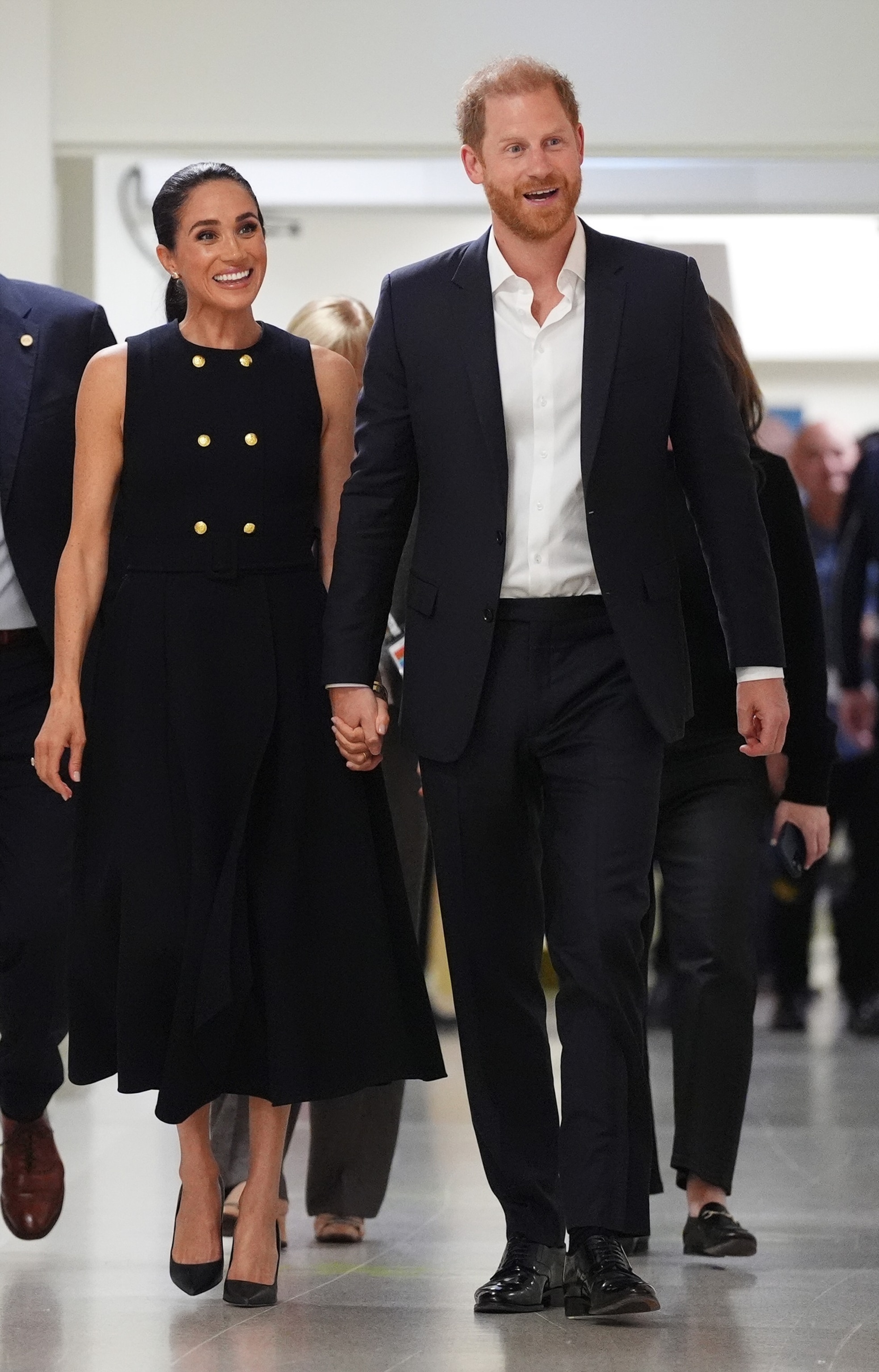
Meghan and Harry Reboot Their Media Game
Meghan Markle and Prince Harry have spent years trying to turn public fascination into durable business leverage. That is harder than it sounds. Celebrity attention is abundant, but attention that converts into long-term brand value is rare, and it gets even rarer when your name carries royal baggage, political heat, and a nonstop tabloid glare. The reported shift tied to Meghan and Harry is more than a gossip-cycle update. It is a signal that the couple may be recalibrating how they operate inside the modern attention economy, where Hollywood, the UK, and streaming platforms all want different things from the same headline.
That tension is the story. Not whether they remain famous – they will – but whether fame can still be engineered into a coherent media strategy that survives audience fatigue, platform churn, and the increasingly unforgiving economics of celebrity content.
- Meghan and Harry are navigating a crowded market where attention alone no longer guarantees influence.
- Their next move could reveal whether celebrity-led production deals still work in 2026.
- Hollywood, British media, and streaming platforms each have something to gain – and lose.
- The real question is not visibility, but long-term monetization and brand control.
Why the Meghan and Harry strategy matters now
The couple sit at an awkward crossroads for modern fame. They are too famous to disappear, too polarizing to coast, and too expensive to ignore. That combination makes them fascinating to media companies chasing relevance in a fragmented landscape. If Meghan and Harry are indeed charting a new path that reconnects them with the UK and Hollywood at once, it suggests a broader industry truth: the celebrity-media partnership is no longer about glossy exclusivity. It is about distribution, audience identity, and the ability to keep the conversation moving after the initial launch window closes.
For brands and studios, this is the appeal. For audiences, it is the trap. Celebrity narratives now function like product launches, with every move tested against social sentiment, fan loyalty, and meme velocity. The couple have lived this reality longer than most.
The celebrity economy has changed under their feet
A few years ago, a marquee name could anchor a streaming deal almost by itself. That model has cracked. Platforms have become more selective, investors more skeptical, and viewers more resistant to prestige packaging that feels detached from actual cultural demand. That is the environment Meghan and Harry now have to navigate.
The upside of their brand is obvious. They can generate global interest with minimal setup. The downside is equally obvious. Every project is forced to carry more than one job: it must entertain, validate the couple’s public narrative, and justify whatever money a partner is spending. That is a brutal standard for any creator, even one with royal name recognition.
Celebrity power still matters, but in 2026 it has to be operationalized. Fame without repeatable audience conversion is just expensive noise.
What Hollywood wants from them
Hollywood does not just want stars. It wants packaging, reach, and a reliable story it can sell across formats. If Meghan and Harry are rethinking how they engage with the industry, then they are likely responding to a simple reality: the old prestige model is fragile. Studios now care about whether a figure can travel across documentary, podcast, lifestyle, scripted, and live-event formats without collapsing into oversaturation.
That is where the couple still have an edge. They are not merely recognizable. They are narrative-rich. Their personal history, public scrutiny, and cross-Atlantic identity make them unusually adaptable to a range of content forms. But adaptability cuts both ways. The more formats they enter, the more they risk turning a distinctive brand into a generic media presence.
Meghan and Harry and the UK question
Any move that re-centers the UK brings a different kind of pressure. British media operates with a harsher, more intimate appetite for royal storytelling. It knows how to keep a narrative alive, but it also knows how to weaponize contradiction. For Meghan and Harry, that means the UK is not just a market. It is a legacy test.
Their relationship with Britain has always been inseparable from the business of image management. Returning attention to that market could create fresh commercial openings, but it also invites renewed scrutiny of every prior decision. This is why their strategy cannot be read as a simple homecoming. It is a negotiated re-entry into a media ecosystem that helped shape the couple’s public identities in the first place.
The risk of overexposure
There is a fine line between relevance and exhaustion. The couple have spent years being discussed as symbols – of modern monarchy, of celebrity activism, of media backlash, of reinvention. At a certain point, symbolism becomes a tax on creativity. If Meghan and Harry want to build something durable, they need to avoid the mistake so many famous founders make: assuming the story is the product.
The product has to be sharper than the mythology. That means choosing fewer projects, defining a more precise audience, and resisting the impulse to chase every headline. It also means understanding that silence can sometimes build more value than another round of performative visibility.
How the deal-making probably works
For a pair with this level of recognition, the business model likely revolves around selective leverage rather than volume. That could include production partnerships, licensing, speaking, philanthropy-adjacent ventures, and carefully framed content that sits somewhere between entertainment and personal narrative. The key is control. The more the couple can shape terms, the more they can preserve the premium attached to their name.
- Control the format: Choose projects that match the brand instead of forcing the brand to fit the project.
- Limit the release cadence: Scarcity keeps the audience interested.
- Separate signal from noise: Not every public appearance should be treated as a strategic statement.
- Design for repeatability: One-off buzz is not a business model.
That last point matters most. In the current entertainment market, the smartest celebrity entrepreneurs are not chasing viral peaks. They are building ecosystems that can be refreshed, repositioned, and monetized repeatedly.
What this says about the future of celebrity media
The Meghan and Harry story is really about the next phase of fame. The era of total dependence on legacy studios is over, but the era of effortless creator independence is a myth too. What remains is a messy middle ground where talent, identity, platform politics, and business strategy all collide.
For entertainment executives, the lesson is clear: audiences still respond to strong personalities, but they punish incoherence. For public figures, the lesson is harsher: every brand move now carries reputational risk that can outlive the campaign itself. Meghan and Harry may be trying to find a new equilibrium between privacy and presence, but the broader industry will be watching for something more useful – proof that celebrity relevance can still be converted into a structured, profitable media machine.
If this move works, it will not be because the couple stayed famous. It will be because they turned fame into a disciplined operating model.
Pro tips for reading the next move
When public figures pivot like this, the announcement is rarely the whole story. Watch for the details that reveal the real strategy:
- Look at partners, not just projects: The business relationship often says more than the content itself.
- Track geography: A UK-facing move suggests different ambitions than a US-only rollout.
- Watch release timing: Strategic timing can signal an attempt to counter negative cycles or reset public framing.
- Pay attention to tone: Are they selling aspiration, authenticity, or authority?
Those cues matter because celebrity media is increasingly a game of precision. The fewer the moves, the more each one has to count.
The bottom line on Meghan and Harry
Meghan and Harry remain one of the most scrutinized brands on the planet, but scrutiny is not the same as momentum. Their challenge is to transform relentless visibility into something steadier: a business identity that can outlast the gossip cycle. If the reported shift around Meghan and Harry marks a real strategic reset, it could show that celebrity power still has room to evolve – if it is handled with discipline, restraint, and a better sense of what audiences will actually pay attention to next.
That is the real stakes here. Not whether they can stay in the news. They can. The question is whether they can finally make the news work for them.
The information provided in this article is for general informational purposes only. While we strive for accuracy, we make no guarantees about the completeness or reliability of the content. Always verify important information through official or multiple sources before making decisions.