Messi Powers MLS into a New Era
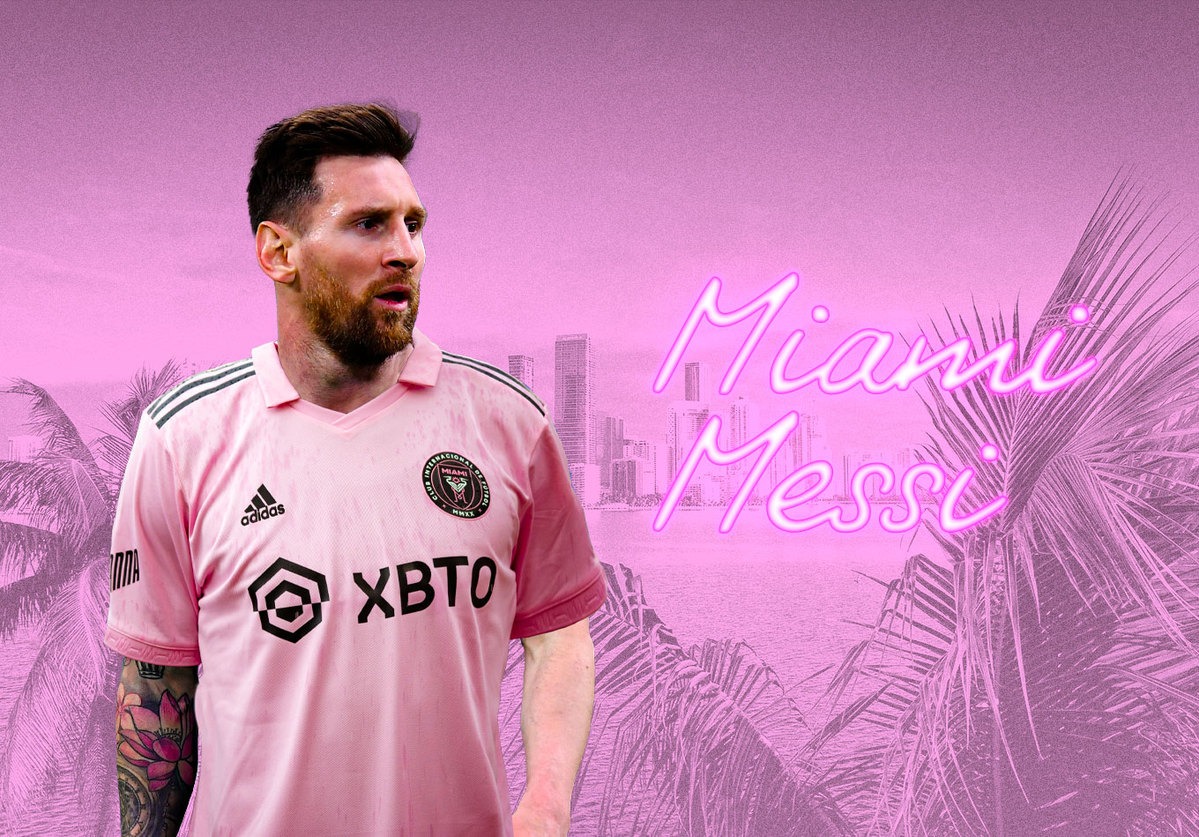
Messi Powers MLS into a New Era
Lionel Messi has not just joined Major League Soccer – he has rewired the league’s commercial logic, global profile, and competitive ambition. For years, MLS sold a familiar promise: steady growth, smarter infrastructure, and a slow climb toward relevance. Messi changed the timeline. Suddenly, the league is not waiting for the future to arrive. It is being judged against it now. That matters because the pressure is no longer limited to one club, one stadium, or one TV package. It hits ticket prices, sponsorship strategy, roster rules, and how the sport is marketed to a skeptical North American audience.
- Messi has accelerated MLS’s visibility far beyond traditional soccer audiences.
- The league’s business model is now being tested by demand, not just expansion.
- Clubs and broadcasters are adjusting to a more global standard of attention.
- The real challenge is turning star power into lasting league value.
Messi powers MLS into a new era
Messi’s impact on MLS is bigger than highlights, and that is the point. A single signing has driven a surge in attention that reaches across matchday attendance, merchandise demand, social engagement, and international media coverage. For a league that has spent decades trying to persuade fans it belongs in the global football conversation, that kind of visibility is priceless. But it also comes with a catch: attention is easy to measure, harder to sustain, and brutally hard to convert into structural strength.
The league is no longer being evaluated as a developing market. It is being compared to mature football ecosystems that have deep fan culture, established tactical identities, and decades of broadcast habit. That shift raises the bar for everyone involved.
Why Messi matters beyond the pitch
Messi’s presence does what most marketing campaigns cannot. It compresses years of brand-building into a few months. Opponents benefit from larger crowds. Sponsors gain a sharper story. Broadcasters get an instantly recognizable global hook. Even clubs with no direct connection to Inter Miami are feeling the ripple effect because the league’s product is suddenly more bankable than it was before.
That does not mean MLS has solved its long-term problem. A superstar can make the league feel bigger, but he cannot alone create a deeper competitive culture. If anything, Messi exposes the difference between event-driven interest and habit-driven loyalty. The first sells out stadiums. The second keeps them full after the novelty fades.
Messi is not just raising the ceiling for MLS. He is exposing how much of the league still depends on moments rather than momentum.
The business case is real, but fragile
From a business perspective, Messi is the best-case scenario for a league that wants to grow without losing control of its identity. He pulls in casual viewers, lures sponsors looking for global reach, and gives MLS an easy narrative in a crowded sports market. That is especially valuable in the United States, where soccer competes with the NFL, NBA, MLB, and a dozen entertainment options for attention.
Still, the business upside has limits. If a league’s spike in demand relies too heavily on one player, the economics become vulnerable the moment that player is injured, rotated, or eventually gone. MLS executives know this. The question is whether they can use the Messi effect to upgrade the league’s long-term infrastructure, not just cash in on a short-term surge.
What clubs are learning fast
Clubs are seeing a simple lesson: premium demand can be created, but only if the experience delivers. That means better stadium operations, sharper match presentation, stronger digital content, and more consistent talent development. Messi may be the magnet, but the day-to-day product has to justify repeat attention.
For many teams, this is a forcing function. The league can no longer afford a split personality where marquee games look global while ordinary fixtures feel provincial. Fans notice the gap immediately. So do sponsors.
- Matchday quality matters more when casual fans are in the building.
- Broadcast presentation must match the premium pricing narrative.
- Roster depth becomes more important when the spotlight widens.
Messi powers MLS into a new era of expectations
The biggest change Messi has triggered may be psychological. MLS is now expected to think bigger, move faster, and act like a league that believes its own hype. That means more pressure on commissioner-level strategy, more scrutiny on roster mechanisms, and more impatience around how quickly the league can close the gap with Europe and Latin America.
There is a danger here. When a league gets addicted to the visibility boost of one player, it can mistake spectacle for progress. But the smarter interpretation is that Messi has made the league legible to a broader audience. That opens the door for the next generation of stars, the next wave of international signings, and, ideally, more attention on the homegrown pipeline.
The strategic test for MLS
MLS now has to prove that it can do three things at once: monetize star power, preserve competitive balance, and develop local talent. That is a difficult balancing act. Too much focus on imported icons risks turning the league into a destination league without identity. Too little focus on elite signings leaves it stuck in regional relevance.
The optimal path is not subtle. Use global names to build demand, then funnel that demand into better academy systems, smarter scouting, and more compelling club brands. In other words, let Messi be the spark, not the entire fire.
Why this matters for the future of North American soccer
Messi’s arrival matters because it changes what is possible. For investors, it suggests that football in North America can command more value than the old assumptions allowed. For broadcasters, it proves that soccer content can cut through if the story is strong enough. For younger fans, it offers a gateway into a sport that can otherwise feel distant in a crowded media ecosystem.
But the future of MLS will not be decided by one signing, however historic. It will be decided by whether the league can convert temporary buzz into durable fandom. That means better teams, better stars, smarter scheduling, and a stronger sense of identity. It also means resisting the urge to treat every success as proof that the hard work is done.
Big signings can reframe a league. Only institutional consistency can keep it relevant.
If MLS gets this right, Messi will be remembered as the catalyst that forced the league to grow up. If it gets it wrong, his tenure will still be a commercial win, but more of a peak than a foundation. Right now, the evidence suggests the first path is still open – but only if the league moves as boldly as its marketing does.
The information provided in this article is for general informational purposes only. While we strive for accuracy, we make no guarantees about the completeness or reliability of the content. Always verify important information through official or multiple sources before making decisions.


