Micron Rethinks Atlanta Office Footprint
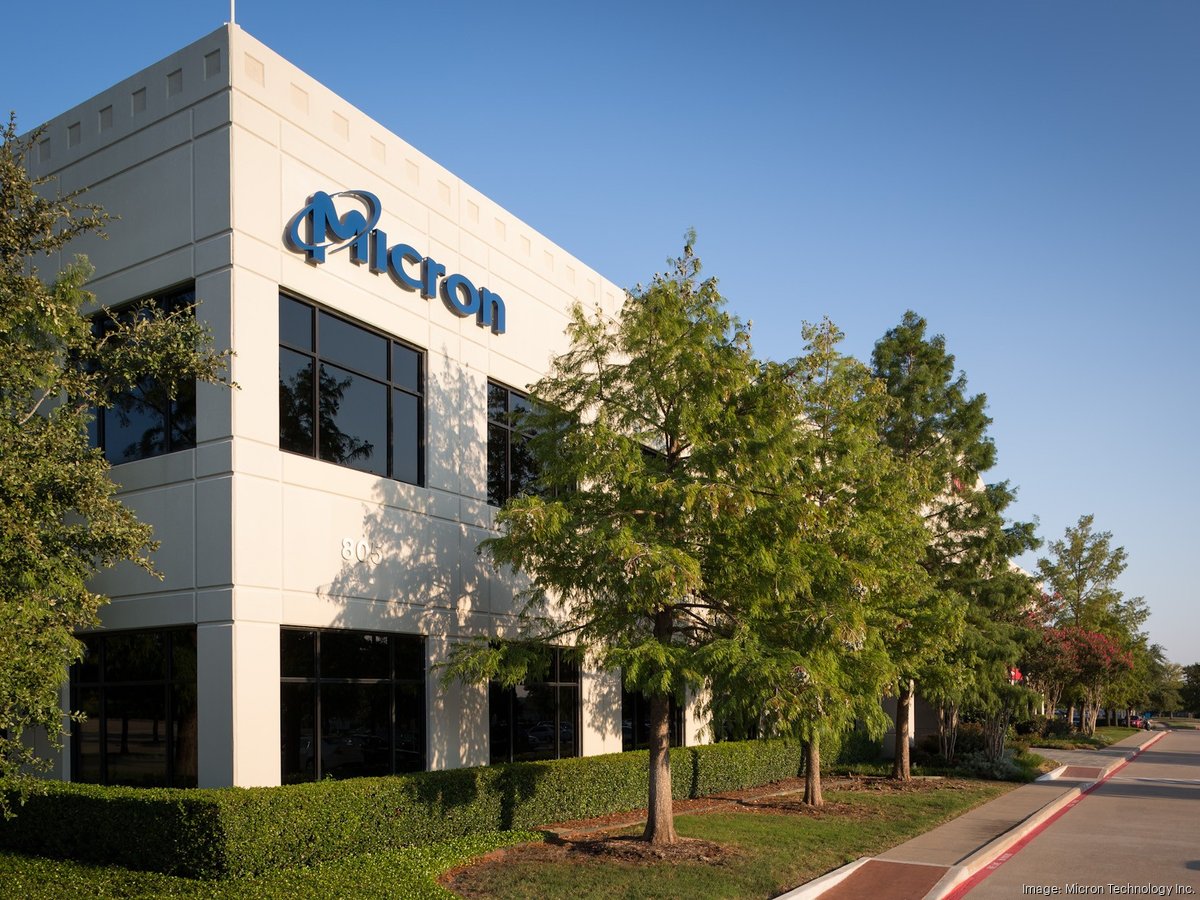
Micron Rethinks Atlanta Office Footprint
Micron Atlanta office plans may look like a local real estate update, but the signal is much bigger. When a major memory chip company reconsiders office space, it reflects a deeper shift across tech: hiring patterns are changing, hybrid work is sticking, and even strategic companies are getting harder-edged about where employees actually need to sit. For landlords, city boosters, and enterprise leaders, this is the kind of move that can no longer be dismissed as a one-off. It is part cost control, part workforce strategy, and part post-pandemic reset. And because Micron sits inside one of the most capital-intensive sectors in tech, every footprint decision carries more meaning than a typical office downsizing. The Atlanta question is not just about one address. It is about how semiconductor companies want to operate next.
- Micron Atlanta office discussions point to a broader pullback in traditional tech office demand.
- Semiconductor firms are increasingly separating critical manufacturing investment from white-collar office expansion.
- Atlanta remains a strong talent market, but hybrid work weakens the case for large, permanent footprints.
- For commercial real estate, this is another reminder that prestige space no longer guarantees long-term occupancy.
Why the Micron Atlanta office story matters
At first glance, an office vacancy or possible lease exit may seem minor compared with Micron’s larger priorities like memory pricing, fabrication capacity, or AI-driven demand for high-bandwidth memory. But that is exactly why the move matters. If a company with enormous long-cycle investments in manufacturing is still looking for flexibility on office space, the message is clear: corporate real estate is now expected to earn its keep.
That is especially true in tech. For years, office growth was a proxy for momentum. New floors, flashy buildouts, and expansion into major metros signaled confidence. Today, investors and executives often see the opposite. Underused space can imply weak discipline, poor forecasting, or a mismatch between talent strategy and actual work habits.
Office space used to symbolize ambition. Now it has to prove utility.
In that sense, Micron’s reported move is not just about Atlanta. It sits at the intersection of three trends: tighter cost scrutiny, the normalization of distributed work, and the ongoing decoupling of physical office presence from corporate prestige.
The deeper strategy behind a smaller footprint
Hybrid work changed the baseline
Even companies that want employees in person more often are operating in a different reality. A five-day office model is no longer the default for many technical and corporate teams. Engineering collaboration, sales meetings, finance reviews, and product planning can all be structured around fewer on-site days. That reduces the practical need for large, always-on office layouts.
For a company like Micron, whose most mission-critical operations happen in fabs, labs, and supply chain networks rather than conventional office towers, the case for trimming white-collar space can be even stronger. The high-value work still happens – just not necessarily in a central metro office every day.
Semiconductor companies are investing differently
The chip sector is unusual. It requires enormous capital commitments in manufacturing, packaging, equipment, and research. Those are not optional line items. Office space, by contrast, is one of the few areas with real flexibility. If leadership needs to show discipline while preserving strategic spending, reducing office exposure is one of the cleaner levers available.
This does not suggest retreat. It suggests prioritization. A company can remain aggressive in memory technology, data center partnerships, and AI-related demand capture while still deciding that a legacy office setup no longer fits.
Talent markets no longer map neatly to office markets
Atlanta remains a serious business hub with strong universities, a growing tech workforce, and lower costs than coastal rivals. But that does not automatically justify every office lease. Employers now recruit across wider geographies, often blending remote and regional hiring. In many cases, a city can remain important to talent strategy even if a company reduces or exits a specific workplace.
That distinction matters. Vacating space is not always the same as abandoning a market. Companies may keep hiring, maintain a smaller presence, use flexible space, or rely on periodic team gatherings instead of permanent desks.
What this says about Atlanta’s tech real estate market
Atlanta has built a credible case as a lower-cost, high-opportunity city for enterprise tech, fintech, logistics, and corporate operations. It still has those advantages. But no market is insulated from the broader reset in office demand. Landlords are now competing in a world where tenants want optionality, shorter commitments, and better reasons to commute.
If Micron ultimately leaves its Atlanta office, that would add to a pattern commercial real estate leaders already know well: large tenants are reassessing footprint quality, not just footprint size. Buildings that win in this environment tend to offer one or more of the following:
- Better transit access for hybrid workers who only come in occasionally.
- Higher-end amenities that justify in-person attendance.
- Flexible floorplates that support collaboration over assigned seating.
- Landlord concessions that reduce the risk of long commitments.
The challenge is that not every building can adapt fast enough. Older assumptions about stable renewals and predictable utilization are gone. Tech tenants, especially, are more willing to question whether they need a dedicated office at all.
Micron Atlanta office decisions and the AI era
There is an irony here. Micron is connected to one of the hottest areas in technology: the hardware ecosystem behind AI. Demand for advanced memory has become strategically important as cloud providers and platform companies race to support larger models and more demanding workloads. On paper, that should create an aura of growth.
Yet growth in AI infrastructure does not automatically translate into more office space. In fact, the opposite may be true. When companies are pouring capital into supply chains, manufacturing capability, and core product roadmaps, they may become stricter everywhere else. Office consolidation can coexist with business expansion.
The AI boom is not a universal office boom. It is a capital allocation story first.
That distinction is crucial for analysts and local markets. A company can be strategically stronger than ever while physically occupying less space in a downtown or suburban office asset.
What business leaders should learn from this move
1. Real estate is now an operating decision
Executive teams can no longer treat office leases as slow-moving background infrastructure. They have become active components of workforce design, cost management, and employer branding. If utilization is low, employees are dispersed, and collaboration is scheduled rather than constant, then real estate should reflect that.
2. Flexibility often beats scale
For many companies, especially in tech, the old logic favored expansion before need. Today the smarter move is often the reverse: preserve flexibility, then scale intentionally. That can mean satellite space, shared environments, or shorter lease structures instead of flagship commitments.
3. Market presence can survive without a giant office
There is still symbolic value in having a presence in a major city. But symbolism alone is not enough. Leaders are increasingly comfortable maintaining local recruiting, partnerships, and customer relationships without supporting a large physical footprint.
Why this matters for employees
Office decisions are rarely just financial. They shape culture, career visibility, and the practical rhythm of work. If a company vacates a location, employees may wonder whether the city still matters internally, whether remote work is now the default, or whether future hiring and promotions will cluster elsewhere.
That is why communication matters as much as the lease itself. Companies that manage these transitions well usually clarify three things:
- Whether the market remains part of long-term hiring plans.
- How hybrid or remote expectations will work going forward.
- What employees can expect for collaboration, travel, and team events.
Absent that clarity, even a rational real estate decision can create unnecessary uncertainty.
The commercial real estate angle investors cannot ignore
For office landlords and investors, a possible Micron exit reinforces an uncomfortable truth: the best tenants are often the most disciplined tenants. Large, creditworthy tech companies once looked like anchors for long-term occupancy. Now they are just as likely to optimize aggressively if the economics or usage patterns no longer make sense.
That means underwriting assumptions need to evolve. Stability is less about tenant brand name and more about actual workplace relevance. A building that depends on pre-2020 occupancy logic is exposed. A building that helps employers run a better hybrid model has a stronger shot.
This is also where local market narratives need nuance. One tenant leaving does not erase a city’s competitiveness. But repeated examples of rightsizing can reshape lease comps, vacancy expectations, and development appetite. The result is a market that remains viable, but more selective and more operationally demanding.
What comes next for the Micron Atlanta office question
If Micron does vacate the Atlanta office, the move will likely be interpreted through several lenses at once: company-specific efficiency, broader tech workplace normalization, and local office market pressure. All three are valid.
The more interesting question is what replaces the old model. Companies in this position usually pick from a small set of alternatives:
- Consolidate into a smaller regional hub.
- Shift to flexible office arrangements.
- Support mostly remote teams with periodic in-person meetups.
- Reinvest in specialized facilities rather than conventional office space.
Each option reflects the same underlying reality: the office is no longer assumed. It must be justified.
Final take on the Micron Atlanta office shift
The likely Micron Atlanta office exit is not flashy, but it is revealing. It shows how even strategically important tech companies are rewriting the rules on physical presence. In a sector where billions can flow into manufacturing and AI infrastructure, traditional office space is being judged with unusual severity. That does not mean Atlanta is losing relevance, and it does not mean Micron is shrinking in any broad strategic sense. It means leadership teams are drawing a harder line between what feels important and what is operationally essential.
That is the real lesson here. The future of tech real estate will not be decided by ambition alone. It will be decided by utilization, flexibility, and whether a space genuinely improves how work gets done. By that standard, every office is now on review.
The information provided in this article is for general informational purposes only. While we strive for accuracy, we make no guarantees about the completeness or reliability of the content. Always verify important information through official or multiple sources before making decisions.


