Mt Hood Ski Bowl Chairlift Failure Shocks Oregon
Mt Hood Ski Bowl Chairlift Failure Shocks Oregon
A Mt Hood Ski Bowl chairlift failure is the kind of incident that instantly rattles confidence far beyond one resort. Ski lifts are supposed to be the invisible infrastructure of a mountain day: dependable, repetitive, almost boring in their consistency. When that system breaks, the story stops being about a bad afternoon on the slopes and starts becoming a bigger test of operations, maintenance, emergency response, and public trust. Reports that multiple people were dropped to the ground at Mt. Hood Ski Bowl turn a routine lift ride into a serious safety event with consequences for injured guests, resort leadership, and the broader ski industry. For skiers and riders, the questions come fast: what failed, how often does this happen, and what should riders expect from resorts when mechanical systems go wrong?
- Multiple riders reportedly fell to the ground after a lift malfunction at Mt. Hood Ski Bowl, making this more than a routine operational disruption.
- The central issue is not just the mechanical failure but whether maintenance, inspection, and emergency protocols performed as designed.
- Resort transparency matters now: guests will want clear updates on injuries, investigation findings, and whether the affected lift returns to service.
- The broader ski industry is watching because even rare lift incidents can reshape public confidence and regulatory scrutiny.
What happened at Mt. Hood Ski Bowl
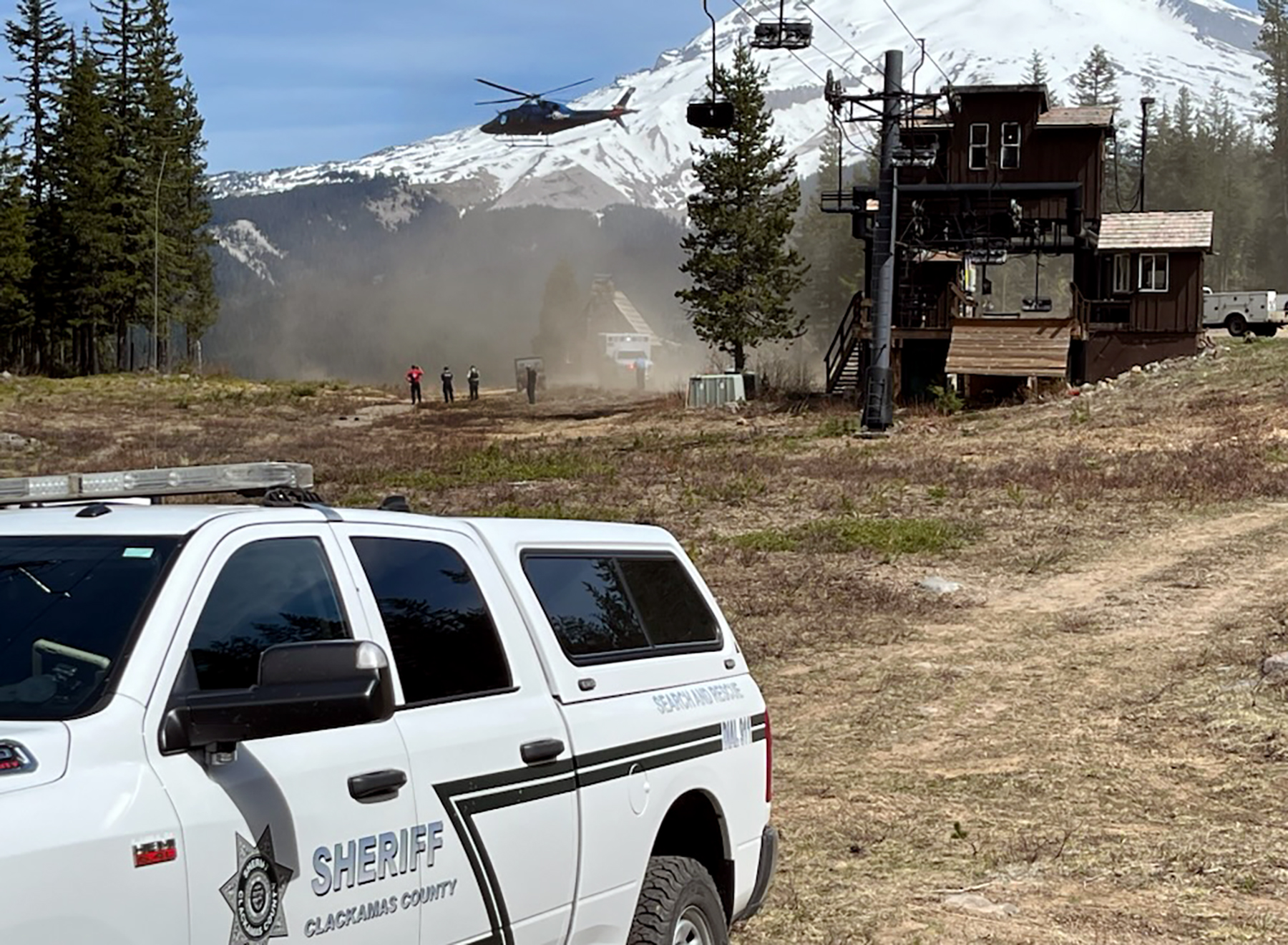
Based on initial reporting, the incident involved a malfunctioning chairlift at Mt. Hood Ski Bowl that caused multiple people to fall to the ground. Early reports in events like this are often fragmented, and the first wave of information usually changes as responders stabilize the scene and resort staff account for guests. That means the most important facts in the immediate aftermath are straightforward: people were reportedly injured, emergency crews responded, and the resort now faces the dual burden of managing a live safety crisis while preserving evidence for investigators.
That distinction matters. A ski lift problem can range from an abrupt stoppage to a derailment, a grip issue, a rollback concern, or a loading or unloading mishap. Those are not interchangeable failures. Each points to a very different chain of responsibility involving mechanical systems, operator procedures, weather exposure, inspections, and shutdown logic.
When a lift drops riders, the first story is the emergency. The second story is system integrity.
And that second story is what will define the long-term fallout for Mt. Hood Ski Bowl.
Why the Mt Hood Ski Bowl chairlift failure matters beyond one resort
Ski areas sell exhilaration, but they run on routine. Guests accept speed, height, cold, and terrain because the infrastructure behind the experience is expected to be relentlessly controlled. A lift is not just transportation. It is a promise that the mountain operator has reduced risk through engineering, inspections, training, and conservative operating decisions.
When that promise appears to crack, the ripple effects are immediate:
- Guests question whether they can trust similar lifts elsewhere.
- Operators review their own maintenance and incident plans.
- Insurers and regulators look harder at documentation and compliance.
- Attorneys begin examining duty of care, training records, and inspection history.
This is why a localized incident can become an industry-wide warning shot. Resorts depend on public confidence. If riders begin to see chairlifts as unpredictable rather than routine, that is not just a safety issue. It is a business issue.
What investigators will likely examine first
After a serious lift incident, investigators typically work from the simplest question outward: what physically happened at the point of failure? From there, they expand into operational and managerial decisions. In a case like the Mt Hood Ski Bowl chairlift failure, several lines of inquiry are likely to dominate.
The mechanical chain
Investigators will likely inspect components such as grips, sheave assemblies, haul rope interaction points, tower alignment, chairs, and braking systems. If a chair detached, shifted, or struck infrastructure, investigators will want to know whether wear, misalignment, component fatigue, or an abnormal operating condition played a role.
The maintenance record
Every serious resort incident eventually becomes a paper trail story. Scheduled inspections, unscheduled repairs, daily checklists, technician notes, replacement parts, and manufacturer guidance can reveal whether the system was being maintained conservatively or merely kept running. The difference is huge.
Pro tip for readers following this story: watch for whether officials mention recent inspections, deferred maintenance, or any unusual service history. Those details often indicate whether this was a sudden unforeseeable event or part of a longer warning pattern.
Operator response
Lift attendants and mountain operations teams are trained for stoppages and irregular behavior, but a major malfunction tests more than procedure manuals. Investigators will likely ask:
- How quickly was the lift stopped?
- Were alarms or abnormal conditions detected earlier?
- Did staff follow established shutdown and evacuation protocols?
- Were communications with emergency crews timely and accurate?
Even if the root cause is mechanical, response quality can determine the severity of injuries and the speed of scene stabilization.
Weather and loading conditions
Mountain systems do not operate in laboratory conditions. Wind, icing, visibility, snowpack, and rider loading behavior can all influence stress on a lift. That does not excuse a failure, but it can shape the technical explanation. If weather played any role, investigators will look at whether the lift should have been slowed, stopped, or closed earlier.
The uncomfortable truth about lift safety
Chairlift accidents are relatively uncommon compared with the sheer number of rides logged each season. That is the good news. The bad news is that rarity can create complacency among guests and, in the worst cases, among operators. Because lifts usually work, the public tends to assume that all lift safety systems are effectively infallible. They are not.
Lift systems are engineered with redundancies, inspection schedules, and operating thresholds for a reason. A ski lift is a complex machine exposed constantly to cold, moisture, vibration, load variation, and weather extremes. Reliability comes from discipline, not magic.
The lesson from every serious lift incident is the same: rare does not mean impossible.
That is why the aftermath matters so much. A responsible resort does not minimize the event as a freak occurrence. It demonstrates exactly how it validates safety, audits procedures, and decides when a system is safe to operate again.
What Mt. Hood Ski Bowl needs to do next
The resort is now in a credibility phase as much as a safety phase. Emergency response is only the first test. The next test is whether leadership communicates with enough clarity and accountability to reassure guests without sounding defensive.
Be transparent about injuries and status
People do not expect perfect certainty in the first hours after an incident. They do expect honesty. That means clear updates on the number of people affected, the nature of the response, and the operating status of the lift and surrounding terrain.
Preserve the investigation process
Resorts under pressure sometimes rush to message stability before facts are settled. That is a mistake. The right move is to emphasize that the affected lift will remain out of service until technical reviews are complete and all necessary authorities have signed off.
Show the system, not just the sympathy
Public statements after accidents often focus on concern for guests, and that is appropriate. But concern alone does not restore confidence. The resort will need to explain, at least at a high level, what inspection framework it uses, how maintenance is documented, and what steps are being taken across the mountain to verify safety.
What skiers and riders should watch for now
For guests planning trips, the practical question is not whether to panic. It is whether the resort and investigators provide enough evidence that the problem was isolated, understood, and corrected.
- Watch for specificity: vague reassurance is less useful than clear statements about inspections, root cause analysis, and operational changes.
- Watch for operational decisions: if similar lifts are paused for inspection, that can signal a serious safety review rather than a cosmetic response.
- Watch for timeline discipline: a rapid reopening can be either a sign of confidence or a sign of pressure. Context matters.
- Watch for consistency: updates from resort leadership, responders, and regulators should broadly align.
If you are a regular skier, this is also a reminder to treat lift instructions seriously. Keep bars positioned as directed, load attentively, secure loose gear, and listen to attendants. Those actions do not prevent every mechanical event, but they reduce risk during non-routine operations.
Why this could become a turning point
The ski business increasingly depends on trust under pressure. Resorts are juggling aging infrastructure in some markets, rising insurance and labor costs, unpredictable weather, and customers who expect both premium experiences and zero tolerance for preventable hazards. A high-profile incident like this can become a forcing function.
That may mean tighter oversight, more aggressive inspection disclosure, stronger training standards, or faster investment in modernization. It may also trigger a more uncomfortable conversation: whether some operators have become too accustomed to running complex mountain infrastructure under intense economic pressure.
The public rarely sees that tension. They see snow, scenery, and a ticket. But behind the scenes, every chair that leaves the terminal depends on layers of judgment involving staffing, replacement cycles, inspection intervals, and operational restraint. When something goes wrong, those hidden decisions become the real story.
The bottom line on the Mt Hood Ski Bowl chairlift failure
The immediate priority is obvious: care for the injured, support responders, and secure the scene. But the long-term importance of the Mt Hood Ski Bowl chairlift failure lies in what follows. This incident will test whether the resort can show not only empathy but operational seriousness. It will test whether investigators can isolate a clear cause. And it will test whether the ski industry treats this as a rare anomaly or as a warning to reexamine assumptions.
For riders, the instinct to feel shaken is completely rational. Chairlifts are designed to fade into the background. When they become the headline, confidence has to be rebuilt with facts, not slogans. The next updates will matter because they will reveal whether this was a singular breakdown or a symptom of something deeper in mountain operations.
The information provided in this article is for general informational purposes only. While we strive for accuracy, we make no guarantees about the completeness or reliability of the content. Always verify important information through official or multiple sources before making decisions.


-(1).png)