Narges Mohammadi Health Crisis Sharpens Pressure on Iran
Narges Mohammadi Health Crisis Sharpens Pressure on Iran
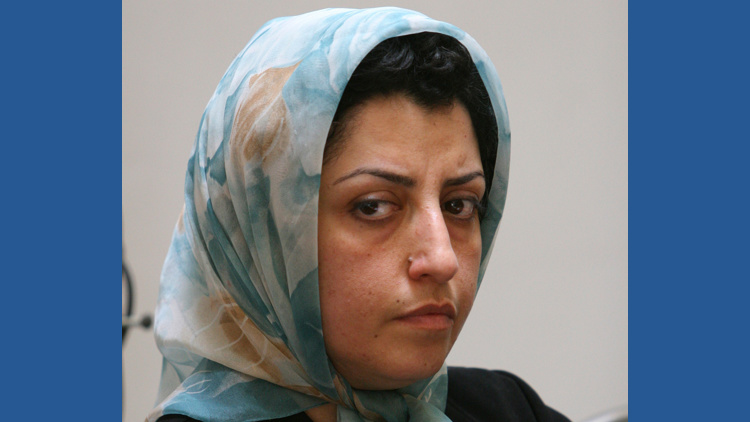
Narges Mohammadi health crisis is no longer just a personal medical emergency – it is a geopolitical stress test for Iran’s human rights record. When a Nobel Peace Prize laureate is reportedly hospitalized as her condition deteriorates, the story stops being contained by prison walls. It becomes a measure of state power, accountability, and the cost of dissent. For observers of Iran, this moment feels painfully familiar: a high-profile activist’s health declines, warnings mount, and the international community is forced to ask whether urgent care is being delayed until the damage is irreversible. That is why this case matters far beyond one hospital bed. It touches civil liberties, prison conditions, and the credibility of a government that has long faced scrutiny over how it treats critics, especially women who refuse to be silenced.
- Narges Mohammadi health crisis has intensified international scrutiny of Iran’s treatment of political prisoners.
- Her hospitalization highlights recurring concerns about delayed medical care for dissidents in custody or under state pressure.
- The case carries symbolic weight because Mohammadi is both a Nobel laureate and one of Iran’s best-known rights advocates.
- What happens next could shape diplomatic pressure, human rights advocacy, and public attention inside and outside Iran.
Why the Narges Mohammadi health crisis matters now
There are plenty of political prisoner stories that struggle to break through the noise. This one does not. Mohammadi occupies a rare place in global public life: she is a recognized moral authority, a persistent critic of repression, and a figure whose name already carries international legitimacy. Her reported hospitalization therefore changes the stakes. It creates urgency, not just sympathy.
Iran has dealt with external criticism over detainee welfare before, but this case is unusually combustible. Mohammadi’s status means any sign of neglect invites a much larger backlash. Governments, rights groups, and civil society organizations are likely to treat her condition as evidence in a broader argument about systemic abuse. That includes concerns over access to doctors, the handling of chronic illnesses, and whether medical care is deployed as a humanitarian obligation or withheld as a pressure tactic.
A prisoner’s health is never only a medical issue when the state controls access to treatment. It becomes a measure of political intent.
The timing also matters. Iran remains under sustained international observation for its treatment of dissidents, women’s rights activists, and journalists. Any worsening in Mohammadi’s condition could become a rallying point that renews global attention just as governments weigh how hard to press Tehran on rights abuses.
The pattern behind the hospitalization
One reason this development resonates so strongly is that it fits a pattern critics have described for years. In cases involving prominent activists, reports of declining health often emerge alongside claims of delayed treatment, restricted hospital access, or inadequate follow-up care. Whether officials frame the response as routine or exceptional, the core issue remains the same: can a dissident receive timely, independent, and sufficient medical attention when the state is both custodian and adversary?
That question is especially charged in Iran, where prison conditions and the treatment of political detainees have repeatedly drawn condemnation. Medical vulnerability can become a site of coercion. Even when hospitalization eventually occurs, critics often argue that the transfer happened only after conditions became severe enough to trigger political fallout.
Why Mohammadi is different from a typical political case
Mohammadi is not simply a prisoner with international supporters. She is a Nobel Peace Prize winner whose activism is linked to some of the most sensitive issues facing Iran: women’s freedoms, state violence, prison abuse, and civil resistance. Her identity as both symbol and organizer gives this case unusual force.
That symbolic power means the government faces a narrow path. If it appears indifferent, criticism deepens. If it responds only after outside pressure builds, the response looks reactive rather than humane. Either way, the optics are brutal.
The medical issue and the political issue are inseparable
Authoritarian systems often insist on separating health from politics, as if hospitalization can be treated as an administrative detail. But that framing collapses in cases like this. The conditions that shape access to medicine, specialist referrals, rest, monitoring, and recovery are political conditions. They are governed by authority, discretion, and control.
For human rights advocates, the immediate concern is obvious: Mohammadi must receive appropriate care. The larger concern is structural: if even someone with her international profile faces a dangerous deterioration in health, what does that say about lesser-known detainees with no global platform?
What this reveals about Iran’s human rights calculus
The state’s handling of high-profile dissidents often reflects a broader calculation. Authorities may seek to avoid creating martyrs while also refusing to appear weak under pressure. That tension can produce an unstable middle ground: partial concessions, delayed interventions, or tightly managed disclosures. The result is a system where uncertainty itself becomes a form of control.
In Mohammadi’s case, every update carries strategic meaning. Hospitalization can be read as acknowledgement of serious health concerns. But it also raises uncomfortable questions about what happened before that point. Was treatment available earlier? Were warnings ignored? Was the medical response driven by patient need or by political risk management?
Those questions matter because they shape the international response. Human rights diplomacy often struggles to sustain attention, but personal medical emergencies cut through abstraction. They give policymakers and advocacy groups a concrete case with moral clarity.
Why women’s rights remain central to this story
Mohammadi’s public role has been inseparable from the fight for women’s rights in Iran. That makes her health crisis especially resonant. Her condition is not being viewed in isolation. It is being interpreted through the broader struggle over bodily autonomy, state punishment, and the treatment of women who challenge official authority.
For many observers, this is not merely about one activist’s safety. It is about whether the state can neutralize female dissent through attrition – legal, physical, and psychological. That is why the story carries emotional weight inside activist circles and strategic significance abroad.
When a government’s most famous female critic ends up hospitalized, the incident becomes a referendum on how power treats resistance.
How the international reaction could evolve
The next phase will likely depend on transparency and medical outcomes. If updates remain vague or contradictory, pressure will intensify. If credible concerns emerge that care is inadequate, governments and rights organizations may escalate calls for independent oversight, temporary release, or broader action tied to prisoner welfare.
There are several likely tracks to watch:
- Diplomatic signaling: Public statements from foreign ministries and international bodies can elevate the political cost of inaction.
- Advocacy mobilization: Rights groups may use Mohammadi’s case to push broader campaigns on prison medical care.
- Media amplification: High-profile coverage can keep attention fixed on her condition, limiting the state’s ability to manage the narrative quietly.
- Domestic resonance: Inside Iran, the case may further energize activists who see her treatment as part of a wider pattern.
The key point is that hospitalization does not reduce pressure by itself. In some cases, it increases it, because it confirms the severity of what advocates had warned about all along.
What happens if her condition worsens
This is the scenario that gives the story its urgency. If Mohammadi’s health continues to decline, the consequences would be immediate and profound. Iran would face a surge of condemnation not only for the human toll but for the perception that a preventable crisis was allowed to escalate. The symbolic fallout would be enormous.
For the government, this would not be a routine reputational challenge. It would strike at an already contested narrative about legitimacy, restraint, and legal process. For the international community, it would likely trigger a wave of renewed demands focused on prisoner rights, women’s rights, and accountability mechanisms.
For activists, the effect could be twofold: grief and galvanization. High-profile suffering can terrify a movement, but it can also harden its resolve. Mohammadi’s stature means any severe turn in her condition would almost certainly become a defining reference point in the history of modern Iranian dissent.
Why this case reaches beyond one name
The uncomfortable truth is that high-profile cases matter partly because they expose what happens in lower-visibility ones. Mohammadi has recognition, advocates, and global media attention. Many others do not. If her supporters are still sounding alarms over access to proper care, then the structural problem is likely bigger than one individual.
That is why the story should not be read as celebrity advocacy politics. It is a systems story. It is about what prison health access looks like under pressure, how governments manage politically costly detainees, and whether international awards actually provide meaningful protection when a state decides to absorb reputational damage.
A pro tip for readers tracking human rights stories
Focus less on single official updates and more on the pattern across time. In detention-related health cases, the most revealing signals are often cumulative: repeated warnings, conflicting accounts, delayed intervention, and sudden emergency treatment. Those details show whether the system is acting preventively or only reacting once scrutiny becomes impossible to ignore.
The bigger strategic lesson
The Narges Mohammadi health crisis shows how quickly a domestic repression story can become an international legitimacy crisis. States may control prisons, courts, and official messaging, but they cannot fully control the symbolism of a deteriorating Nobel laureate. That image travels. It reframes abstract policy debates into a simple moral question: was a prominent dissident protected, neglected, or punished through neglect?
That is the strategic trap here. If Iran provides visible, sustained, credible care, it may reduce immediate outrage but still invite questions about why the crisis reached this point. If it fails to do so, the backlash deepens. There is no clean exit once the medical emergency becomes the headline.
And that is why this story matters now. Mohammadi’s hospitalization is not only about her treatment in a single moment. It is about the logic of power under scrutiny. It is about whether the state sees medical care as a right or a variable. And it is about how the fate of one dissident can crystallize the condition of a nation’s political conscience.
The information provided in this article is for general informational purposes only. While we strive for accuracy, we make no guarantees about the completeness or reliability of the content. Always verify important information through official or multiple sources before making decisions.