New York Office Reckoning Tests Mayor Mamdani’s Urban Bet
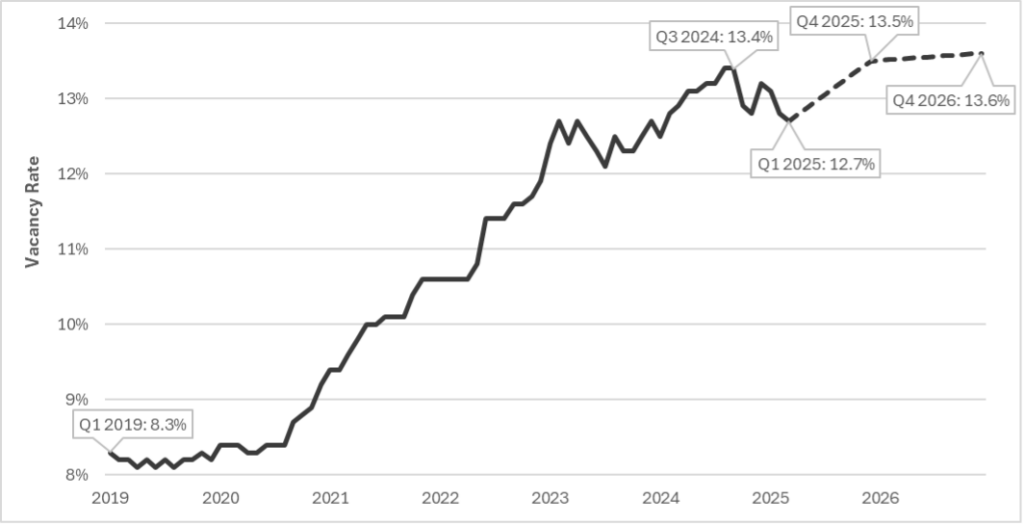
The New York office real estate market is wobbling just as Mayor Zohran Mamdani stakes his young administration on reviving a work-from-anywhere city that still leans on empty towers for tax revenue and identity. Midtown vacancies linger, hybrid work is calcifying, and Wall Street bonuses can no longer patch municipal budgets. The mayor promises a reset built on conversions, transit, and targeted relief, but the clock is ticking: leases signed in the 2010s are rolling, lending costs are spiking, and public patience is thin. This is the make-or-break test of whether a progressive City Hall can balance fiscal realism with bold urban experimentation.
- Vacancies remain high while debt maturities accelerate, squeezing landlords and city tax receipts.
- Mamdani is betting on office-to-residential conversions, transit upgrades, and selective abatements to stabilize demand.
- Hybrid work is now a structural shift, forcing a rethink of zoning, ground-floor retail, and public safety.
- Success hinges on aligning unions, developers, and lenders around faster approvals and clearer incentives.
Why the New York office real estate market is the mayor’s stress test
New York survived blackouts, fiscal crises, and a pandemic, but the current office slump is uniquely stubborn because it mixes cultural change with financial arithmetic. Remote preference is no longer a temporary perk; it is an embedded workplace norm that drags daily foot traffic and sales taxes. Meanwhile, towers financed at 3 percent now face refinancing at 6 or 7 percent. City Hall depends on commercial property taxes for roughly a third of its revenue, and each percentage-point uptick in vacancy translates into painful budget tradeoffs on schools, housing, and public safety.
Call it the great recalibration: the city cannot bully workers back to cubes, nor can it absorb a prolonged drag on its tax base.
Mamdani’s theory of the case is that strategic density still wins, provided the city helps buildings pivot to uses people actually want. That means nudging class B and C stock toward residential, protecting class A hubs with better transit and street safety, and ensuring permits do not languish in limbo. It is an editorial stance in policy form – the mayor must reward experimentation without writing blank checks.
Policy levers on the table
Conversion accelerants
The administration is drafting a faster pathway for office-to-residential conversions, with a streamlined ULURP timeline, pre-approved code templates, and a finite tax abatement. The bet: sacrificing some near-term taxes to anchor long-term neighborhood vitality. Critics worry about luxury towers replacing affordable space, so the city is floating mandatory inclusionary housing bands tied to floor-area bonuses. The tension is real – too much generosity to developers risks backlash, too little and projects stall under construction costs.
Pro tip: conversions work when lenders see a predictable exit. Clear timelines and by-right approvals reduce carrying costs more than flashy subsidies.
Transit and street-level fixes
Mamdani is pairing zoning tweaks with tactical investments: bus lanes on Midtown spines, upgraded signal priority for cross-town routes, and lighting upgrades that make late returns feel safer. These are not vanity projects. If hybrid workers view the commute as friction, every shaved minute and improved sidewalk matters. The administration is also pushing for a retail reset – easing rules for pop-up food vendors and cultural installations to fill dead ground floors and invite foot traffic back.
Tax structure experiments
The mayor is testing a limited-duration property tax class adjustment for buildings that commit to energy retrofits and flexible floor plans. Think of it as a productivity rebate: owners receive short-term relief if they create amenities that lure tenants – better air systems, modular meeting rooms, and bike storage. Traditionalists fear a slippery slope of concessions; progressives counter that without targeted relief, defaults will spike and hurt pension funds that hold commercial mortgage-backed securities.
Winners, losers, and the politics of speed
Every lever creates a constituency. Unions want guarantees on prevailing wages during conversions. Community boards want protections against shadow casting and school crowding. Lenders want certainty that a half-empty tower can pivot without triggering covenant breaches. Mamdani’s gamble is that aligning these factions around speed is cheaper than prolonged drift. The city is considering a fast-track certification that deems projects compliant within 120 days unless agencies object, flipping the burden from applicants to bureaucracy.
Editorial stance: the mayor is right to chase speed. The alternative is a slow bleed where buildings empty out, retail corridors hollow, and public trust collapses.
Still, speed needs safeguards. Transparent reporting on how abatements are used, public dashboards on permit timelines, and penalties for speculative vacancies would show taxpayers that the administration is not captured by developers. The politics will be brutal if residents see landlords rewarded while services are cut.
How hybrid work reshapes value
Class A’s relative resilience
Top-tier towers with fresh amenities are holding leases better than commodity space. Tech and finance tenants still pay for prestige addresses when they can offer teams flexible schedules. Mamdani knows that protecting this core keeps assessment values afloat. Expect incentives that cluster dining, childcare, and cultural perks within a five-minute walk of these hubs, turning them into mini-districts rather than isolated towers.
The fate of middling stock
The largest risk sits with older class B and C buildings that lack modern layouts or efficient systems. Conversions can save some, but not all. The city may need a controlled demolition and salvage strategy, harvesting materials for public projects and clearing sites for mixed-use pilots. It is a controversial idea, yet clinging to every tower is a sunk-cost fallacy.
Neighborhood ripple effects
The New York office real estate market slump bleeds into subway ridership, lunchtime retail, and even public safety perceptions. The mayor’s push for more residents in business districts aims to normalize 24-hour street life, reducing the eerie 5 p.m. shutdown effect. If executed, bodegas and bars get steadier foot traffic, transit agencies gain off-peak riders, and policing can adapt to consistent rather than spiky demand.
Financial reality check
Commercial mortgage maturities are clustering in 2026-2028, exactly when the administration needs momentum. If valuations keep sliding, refinancing gaps widen, inviting distressed sales. Mamdani is quietly engaging lenders and rating agencies to avoid sudden fire sales that could set bad comps. There is also the pension angle: public retirement funds hold slices of CMBS tied to Manhattan assets. A wave of defaults would boomerang into city budgets through higher pension contributions.
Key insight: fiscal prudence is now urban policy. Every incentive must pencil out against potential revenue loss and systemic risk.
Expect the city to lobby for federal guarantees or state-backed liquidity tools if the market worsens. Critics will call it a bailout; supporters will argue it is bridge finance to prevent broader contagion. The administration’s messaging needs clarity: this is about protecting services and jobs, not rescuing speculative bets.
What success looks like by 2028
By the end of Mamdani’s first term, success will not mean a full return to pre-pandemic occupancy. Instead, look for diversified uses: a higher share of mixed-income housing in former office corridors, stabilized property tax receipts, and a modest uptick in weekday transit ridership. Ground floors should feel alive past 7 p.m., and crime stats around transit hubs should trend downward as foot traffic normalizes. If that happens, the city will have proven a model for other dense metros wrestling with similar dynamics.
Failure would be obvious: cascading loan defaults, prolonged vacancies, and hasty budget cuts. In that scenario, political fallout could chill future experiments and invite state intervention. Mamdani’s bet is that bold, fast, and transparent action can avert the doom loop.
Bottom line
New York has always rewritten the rules when cornered. The current office reckoning is less about nostalgia for cubicles and more about safeguarding the fiscal engine that funds public ambition. Mayor Zohran Mamdani’s program is imperfect but necessary – a mashup of conversion carrots, transit polish, and tax pragmatism aimed at making the New York office real estate market functional, not merely nostalgic. The next two years will reveal whether City Hall can outpace the structural shifts redefining work. The stakes could not be clearer: either the city turns vacant space into opportunity, or it watches its economic backbone fracture in slow motion.
The information provided in this article is for general informational purposes only. While we strive for accuracy, we make no guarantees about the completeness or reliability of the content. Always verify important information through official or multiple sources before making decisions.


