Oil Prices Jolt Markets Over Iran Risk
Oil Prices Jolt Markets Over Iran Risk
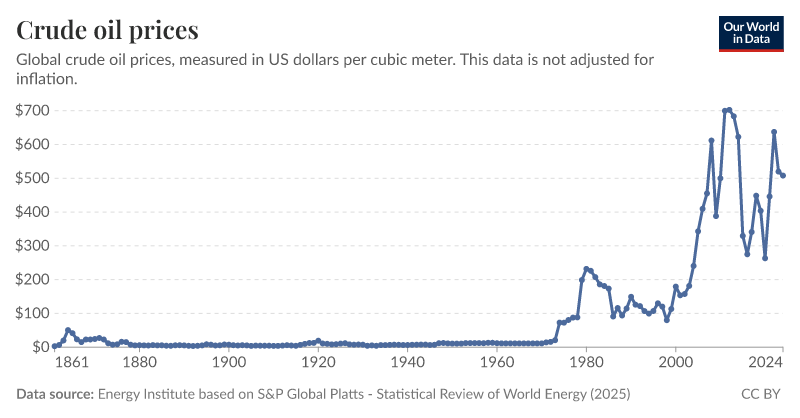
The oil prices story is no longer just a commodities headline – it is a live stress test for inflation, supply chains, airlines, manufacturers, and policymakers already stretched thin. When Iran-related tensions hit energy markets, traders do not merely reprice barrels of crude. They reprice geopolitical risk itself. That ripple can move gasoline costs, corporate margins, central bank expectations, and consumer confidence in a matter of days.
For businesses and households, this is the painful part: energy shocks arrive fast and spread everywhere. Fuel gets pricier, shipping costs climb, and executives who thought they had finally escaped the last inflation cycle suddenly face another round of uncertainty. The market reaction around Iran shows how fragile the global energy system remains, even after years of talk about diversification, resilience, and transition.
- Oil prices are reacting not just to supply realities but to fear of disruption tied to Iran.
- Higher crude and gas costs can quickly feed into inflation, transportation, and industrial expenses.
- Markets are treating Middle East instability as a broader risk premium, not a one-day trading blip.
- Governments and companies may need fresh hedging, inventory, and energy-security strategies.
Why oil prices spike so quickly when Iran enters the equation
Energy markets are brutally efficient at one thing: pricing uncertainty before the worst-case scenario actually happens. Iran sits at the center of that logic because of its role in regional security dynamics and its proximity to critical shipping routes. Even if physical supply has not yet been cut in a major way, the possibility of disruption can push traders to bid up futures contracts almost immediately.
This is not irrational behavior. Oil is a globally traded commodity with a supply chain built on narrow margins, synchronized logistics, and fragile confidence. If market participants think production, exports, refining, or shipping lanes could be affected, prices move first and hard. The premium is essentially the cost of not knowing what happens next.
Markets do not wait for missing barrels. They react as soon as the probability of missing barrels becomes credible.
That distinction matters. A sudden move in crude is often less about what has already happened and more about what traders fear could happen over the next several sessions or weeks.
The Strait factor and shipping anxiety
One of the biggest reasons Iran-related developments matter is geography. Energy flows through some of the most strategically sensitive maritime corridors on the planet. Any suggestion that tanker traffic could face delays, inspection risks, insurance spikes, or outright disruption tends to inject a premium into crude benchmarks.
Shipping markets are especially vulnerable to this kind of stress. Even before physical shortages emerge, insurers can raise rates, vessel operators may reroute, and buyers can scramble to lock in cargoes early. Those frictions raise the all-in cost of energy long before a consumer sees the impact at the pump.
The psychology of commodity trading
Oil trading is not purely a spreadsheet exercise. It is also a confidence game shaped by headlines, positioning, and liquidity. Once a geopolitical narrative gains traction, funds and commercial players may rush to protect exposure. That can accelerate price swings beyond what immediate supply-and-demand data would suggest.
In other words, oil prices can overshoot on fear. But even an overshoot has real consequences, because corporate planning and consumer expectations respond to the headline move, not just the eventual average.
What this means for inflation, gas prices, and the real economy
The most important question is not whether traders can profit from volatility. It is whether rising oil prices will bleed into the broader economy. History says they often do.
Energy remains a foundational input. Airlines burn fuel. Trucking fleets depend on diesel. Factories rely on petrochemicals, natural gas, and electricity whose costs can be indirectly linked to crude sentiment. When oil rises sharply, companies face three choices: absorb the hit, cut elsewhere, or pass costs on.
None of those options are especially attractive.
- Consumers can feel higher gasoline and heating costs directly.
- Retailers may face pricier freight and delivery expenses.
- Manufacturers can see margins squeezed by feedstock and transportation costs.
- Central banks may worry that energy inflation could slow progress on price stability.
This is why investors watch oil so obsessively. A sharp move in energy does not stay confined to the energy sector. It can alter interest-rate expectations, pressure equities, and revive recession fears if the spike is severe enough.
Why gas markets matter too
Oil usually grabs the attention, but gas markets often tell a deeper story about industrial vulnerability. Natural gas pricing can react differently depending on regional storage, weather, infrastructure, and import dependence, yet broader geopolitical tension can still lift sentiment across the energy complex.
For Europe and parts of Asia in particular, any renewed stress in global fuel markets can reopen anxieties that many policymakers hoped were fading. Energy security is still not solved. It has merely become less visible during calmer periods.
The strategic guide for businesses watching oil prices
If there is one lesson from the Iran-driven market reaction, it is that energy exposure should not be treated as a background variable. It is a board-level issue. Companies that depend on transport, chemicals, imported inputs, or energy-intensive production need to understand their risk before prices move further.
1. Audit direct and hidden energy exposure
Many firms track fuel costs but miss second-order effects. A basic internal review should map where energy risk enters the business.
- Fleet fuel and logistics contracts
- Supplier transportation surcharges
- Electricity and heating inputs
- Petrochemical or packaging dependencies
- International shipping and insurance costs
Pro tip: build a simple exposure dashboard in spreadsheet or ERP tools that models what happens if crude rises by 5%, 10%, or 20%.
2. Review hedging and procurement terms
Not every business needs sophisticated derivatives, but every business with material energy exposure needs a plan. That can mean renegotiating procurement windows, diversifying suppliers, or using hedging structures that cap upside pain.
A lightweight framework could look like this:
if fuel_cost_risk > budget_threshold:

    review supplier contracts

    evaluate hedge options

    adjust pricing assumptions

    increase contingency reserve
The point is not to overengineer a commodity desk inside a non-energy company. The point is to avoid being surprised by costs that were visible in advance.
3. Stress-test pricing power
Some companies can pass through higher energy costs quickly. Others cannot. That difference will separate resilient operators from vulnerable ones if oil volatility persists.
Ask blunt questions:
- Can customers absorb higher prices?
- Are contracts fixed or flexible?
- How long is the delay before cost increases hit invoices?
- Which product lines are most exposed?
Executives often discover too late that their pricing power was assumed rather than proven.
Energy shocks reveal which business models are durable and which were only working under cheap-input conditions.
Why this matters beyond one market spike
The easy mistake is to frame this as a temporary scare. Maybe it is. Commodity surges tied to geopolitical headlines can fade if tensions cool and supply flows remain intact. But that reading misses the larger issue: the global economy is still highly sensitive to concentrated energy risk.
Despite years of investment in renewables, electrification, and efficiency, fossil fuels continue to anchor transport, industrial heat, aviation, shipping, and vast swaths of petrochemical production. That means disruptions – or even credible threats of disruption – still command outsized power over inflation and growth.
There is also a strategic contradiction here. Governments want affordable energy, lower inflation, and stable growth while also trying to manage sanctions, regional security, decarbonization, and domestic political pressure. Those goals do not always align neatly.
The energy transition does not erase oil risk
This is where some of the market commentary gets too simplistic. The transition to cleaner systems is real, but transitions are messy and uneven. Until fleets, factories, grids, and supply chains are materially less dependent on hydrocarbons, oil prices will remain a macroeconomic pressure point.
That reality creates a strange double exposure. Economies must manage the old energy system while funding the new one. When geopolitical shocks hit, both systems feel the strain: fossil fuel costs jump, and the urgency of diversification grows.
How investors and policymakers are likely reading this moment
Investors are probably separating this into three layers. First is the immediate trade: how much supply risk should be priced in now? Second is the macro layer: will energy-driven inflation alter rate expectations? Third is the structural layer: which sectors gain pricing power and which sectors lose it?
Policymakers, meanwhile, have a harder balancing act. If energy costs climb, they may face pressure to calm consumer prices without having many fast tools available. Strategic reserves, diplomatic signaling, and market communication can help at the margins, but they do not eliminate geopolitical risk.
For central banks, the challenge is even less comfortable. Energy spikes can raise headline inflation while also threatening growth. That is the kind of mix that makes policy choices uglier, not easier.
Sectors to watch if oil prices stay elevated
- Airlines and logistics: immediate fuel sensitivity
- Chemicals and manufacturing: feedstock and transport pressure
- Consumer goods: packaging and freight pass-through risks
- Energy producers: potential earnings upside, depending on cost structure and hedging
- Retail and travel: weaker consumer discretionary spending if fuel bills rise
These knock-on effects are why a Middle East energy story rarely stays confined to the commodities page.
The bottom line on oil prices and Iran risk
The market reaction around Iran is a reminder that energy security remains one of the most underappreciated drivers of economic stability. Traders may talk in barrels, spreads, and futures curves, but the real story is broader. When oil prices jump on geopolitical risk, every company exposed to transport, production, or household demand is suddenly part of the same equation.
The optimistic case is that tensions cool, shipping flows remain stable, and the current move settles into a manageable premium. The harder truth is that the episode exposes a system still vulnerable to concentrated geopolitical shocks. For executives, investors, and policymakers, that should not be background noise. It should be a strategic warning.
And for everyone else, it is the same old lesson delivered in a more expensive way: when energy risk returns, it rarely knocks softly.
The information provided in this article is for general informational purposes only. While we strive for accuracy, we make no guarantees about the completeness or reliability of the content. Always verify important information through official or multiple sources before making decisions.