OpenAI Pushes ChatGPT Toward Enterprise Control
OpenAI Pushes ChatGPT Toward Enterprise Control
ChatGPT is no longer just a clever consumer product that writes emails and explains code. The platform is rapidly becoming infrastructure, and that changes the stakes. When companies bring generative AI into real workflows, the questions stop being about novelty and start being about control, compliance, data boundaries, and who gets to see what. That is the pressure OpenAI is now navigating. The latest move around ChatGPT points to a broader industry reality: AI adoption is no longer limited by model quality alone. It is limited by trust, governance, and the ability to manage risk without slowing teams down. For businesses trying to deploy AI at scale, that is not a side note. It is the whole game.
- OpenAI is shifting ChatGPT toward stronger enterprise-grade control.
- The real battleground is no longer model capability, but governance and trust.
- Businesses want AI that can be managed without exposing sensitive data.
- Future AI winners will be the platforms that balance power with policy.
Why the ChatGPT control push matters now
The corporate AI boom has hit an obvious wall: enthusiasm is easy, operational discipline is hard. Teams want faster drafting, better search, and smarter internal workflows. Security teams want auditability, access limits, and guardrails. Legal teams want clearer policy. IT wants admin control. That tension is now shaping the product roadmap.
OpenAI’s push toward tighter ChatGPT controls reflects a broader market correction. For the first wave of AI adoption, many companies treated generative tools like experimental add-ons. That phase is ending. Businesses are asking a tougher question: can we use this at scale without creating compliance debt?
Enterprise AI is no longer judged by how impressive it looks in a demo. It is judged by how safely it fits into the messy reality of daily business.
This is why the story matters. The companies that win the next phase of AI will not just build the best models. They will build the best operating systems for using those models inside regulated, sensitive, and often fragmented organizations.
The enterprise AI problem is bigger than features
At first glance, more control sounds like a straightforward product upgrade. In practice, it is a signal that the AI market is maturing. Consumer tools are allowed to be loose and expressive. Enterprise tools have to be predictable.
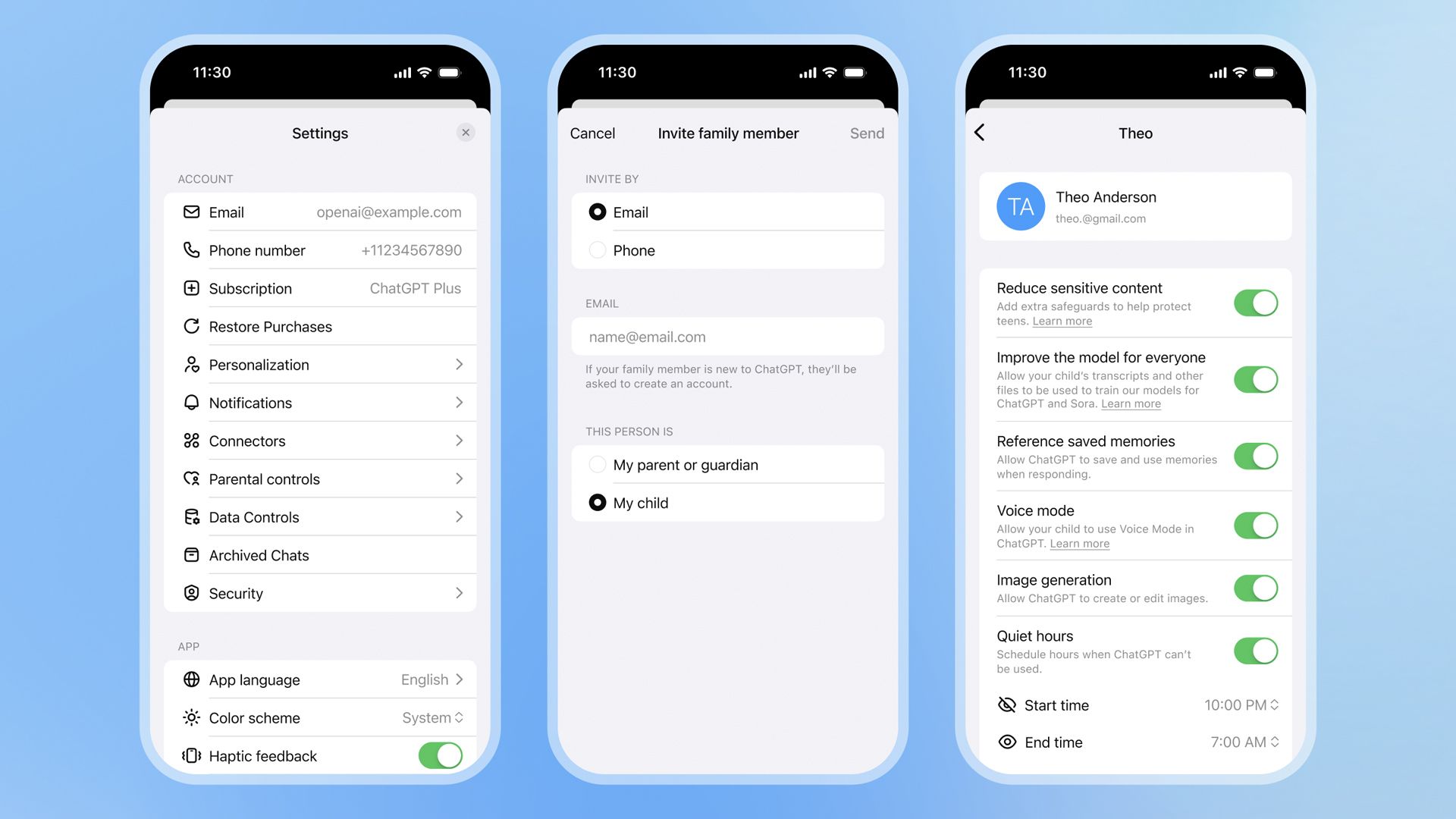
That difference shows up everywhere. Who can access the model? What data is retained? Can admins restrict certain prompts or actions? Are conversations isolated by team or project? Can a company prove what happened if something goes wrong? These are not abstract concerns. They decide whether AI becomes embedded in operations or stays trapped in side experiments.
OpenAI is not alone here. Every major AI vendor is racing to convince buyers that its system can be governed as well as it can be used. The winners will be the platforms that make control feel native rather than bolted on. That means cleaner admin layers, stronger policy settings, and fewer ambiguities about data handling.
What businesses actually need from ChatGPT
Most companies are not asking for magical intelligence. They are asking for practical guardrails. The basics matter most:
- Access management: who can use the tool and what they can do.
- Data boundaries: which conversations stay private and which can be stored.
- Administrative visibility: the ability to oversee usage without reading every message.
- Policy enforcement: restrictions around sensitive workflows or regulated data.
- Audit readiness: logs and controls that help satisfy legal or compliance reviews.
That list may sound unglamorous, but it is exactly where enterprise AI gets real. A model that is slightly less flashy but much easier to govern can be more valuable than a more capable system that creates anxiety every time an employee uses it.
OpenAI’s strategy is about trust, not just growth
There is a business logic behind this shift that goes beyond product polish. OpenAI has a huge consumer audience, but the long-term revenue story gets much stronger if it can deepen enterprise adoption. Corporate buyers tend to pay more, renew longer, and care less about casual feature churn than about reliability and risk reduction.
But enterprise trust is fragile. A single misconfiguration, privacy scare, or governance gap can stall deployments across hundreds or thousands of employees. That makes control a competitive weapon. If OpenAI can convince companies that ChatGPT is not just powerful but manageable, it can move from being a tool employees use unofficially to a platform companies standardize on.
For AI vendors, trust is becoming the real distribution channel. If IT and compliance teams say yes, usage follows. If they hesitate, adoption slows no matter how good the model is.
This is also why the move is strategically smart. The AI market is entering a phase where features are easier to copy than relationships. Control frameworks, admin workflows, and enterprise confidence are harder to replicate. Those are the moats.
How the market is changing around ChatGPT controls
The competitive landscape has evolved quickly. Enterprises now have more choices than they did even a year ago. Some offer AI embedded inside productivity suites. Others focus on secure model hosting or vertical-specific compliance. That means OpenAI cannot rely on brand momentum alone.
Instead, it has to meet buyers where they are. That usually means integrating with existing identity systems, respecting company policies, and making it easy for admins to understand and manage usage. The goal is not just to be powerful. The goal is to be deployable.
There is also a cultural shift underway inside companies. Employees have already embraced AI in unofficial ways, often by using public tools with sensitive material. That has forced leadership to move quickly. When workers adopt AI faster than the policy team can react, enterprises either standardize the usage or lose control of it entirely.
Why this matters for IT and security teams
For IT leaders, the promise of enterprise AI is fewer manual tasks and faster knowledge work. The risk is shadow usage and data leakage. For security teams, the ideal AI tool is one that reduces friction without opening new attack surfaces.
That is where stronger ChatGPT controls become more than a nice-to-have. They become the condition for approval. If admins can define what is allowed, monitor behavior at a high level, and keep sensitive information inside approved lanes, then AI can move from pilot to production.
Without that, usage stays informal, fragmented, and risky. And informal AI is often the most dangerous kind, because it creates value before anyone has defined the rules.
What companies should do next
Businesses evaluating AI adoption should not wait for perfect products. They should build policy and deployment discipline now, because the technology will keep evolving faster than internal governance.
- Map use cases first: identify where AI saves time and where it should not be used.
- Classify data types: decide what employees can safely paste into AI tools.
- Define approval layers: route high-risk workflows through legal, security, or compliance review.
- Train employees: make sure people understand what the tool can and cannot handle.
- Review vendor controls: examine admin settings, retention policies, and access management before wider rollout.
One practical rule stands out: if a use case touches customer data, regulated information, or financial records, it should be treated as a governance decision, not a productivity hack.
Companies that do this work early will move faster later. Those that do not will eventually be forced to rebuild policy under pressure, usually after someone has already used AI in a way that created internal risk.
The future of enterprise AI will be managed, not just smarter
The real shift here is philosophical. For years, the AI conversation centered on capability: better reasoning, better generation, better scale. That still matters, but the market is now asking for something more mature. It wants systems that can be governed like software, not just admired like magic.
That is the direction OpenAI appears to be heading. Stronger ChatGPT controls suggest a future where AI is not a wild general-purpose toy, but a tightly managed enterprise layer embedded in daily work. That future will likely be less dramatic than the hype cycle promised, but far more durable.
And that may be the most important point. The companies that take enterprise AI seriously are not chasing spectacle. They are building operational advantage. They want fewer bottlenecks, faster decisions, and better knowledge flow without surrendering oversight.
If OpenAI can deliver that balance, it will not just sell more software. It will help define what trusted AI looks like inside modern organizations. That is a much bigger prize than a viral demo.
The information provided in this article is for general informational purposes only. While we strive for accuracy, we make no guarantees about the completeness or reliability of the content. Always verify important information through official or multiple sources before making decisions.