OpenAI Reshapes ChatGPT Search
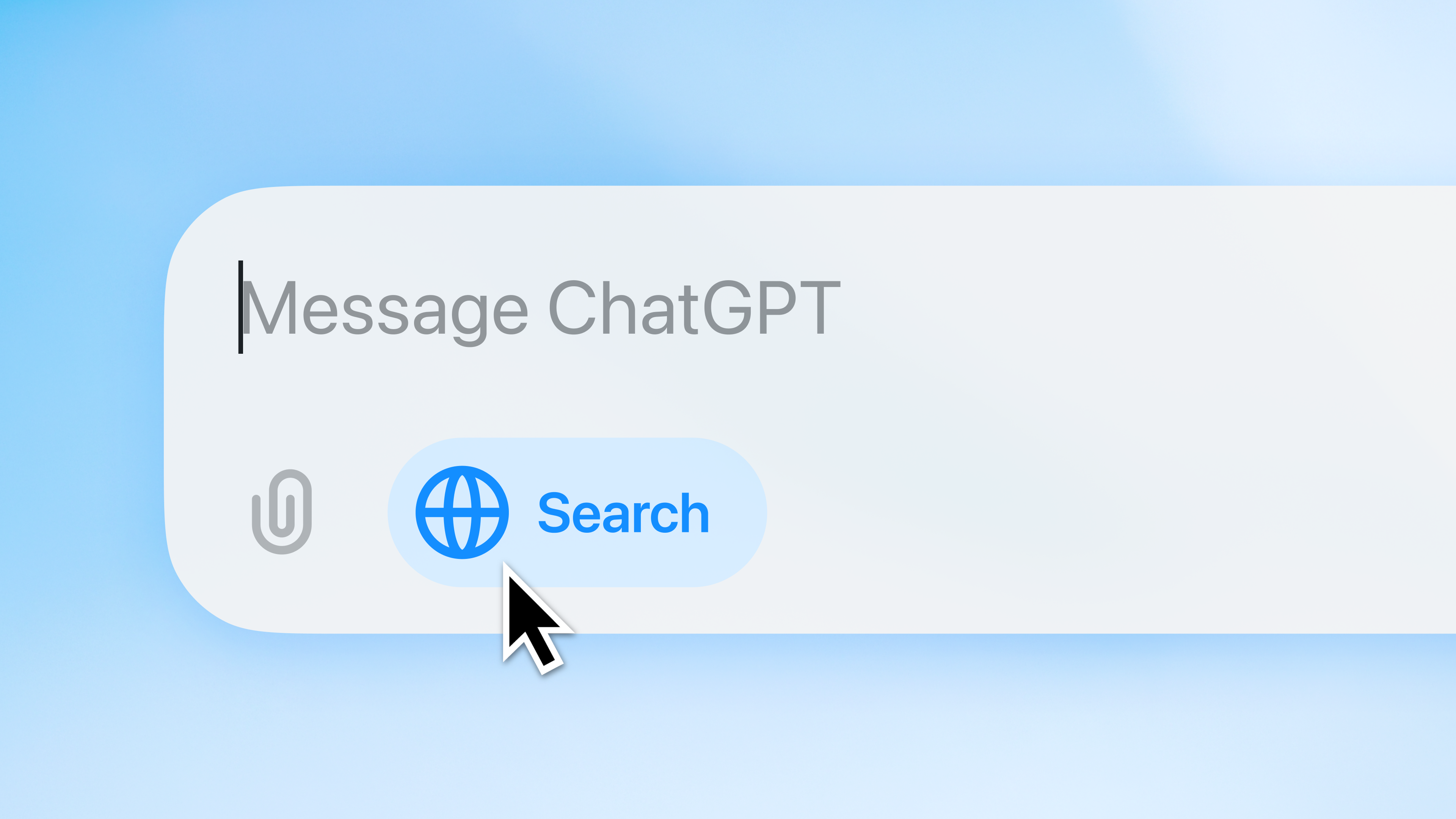
OpenAI Reshapes ChatGPT Search
Search is changing fast, and OpenAI ChatGPT search is now a direct challenge to the way people find information online. What used to be a clean split between a chatbot and a search engine is fading. Users no longer want ten blue links, a maze of ads, or a separate app for answers. They want a single interface that can search, summarize, and act. That shift sounds convenient, but it carries real consequences for publishers, product teams, and search incumbents fighting to stay relevant. If ChatGPT becomes the place where people start asking questions, then the battle is no longer about indexing the web. It is about owning the first answer, the first click, and the first layer of trust. That is a much bigger prize.
- OpenAI ChatGPT search is blurring the line between chatbot and search engine.
- The shift could reduce clicks to publishers while increasing user reliance on AI summaries.
- Search quality, freshness, and trust are now competitive weapons, not background features.
- Google, media companies, and startups all face pressure to rethink discovery and monetization.
- The next wave of AI products will be judged by usefulness, not just model size.
Why OpenAI ChatGPT search matters now
The big story is not simply that OpenAI ChatGPT search exists. It is that the product is becoming a habit-forming layer for everyday information retrieval. That matters because search is one of the internet’s most valuable behaviors. It shapes what people read, what brands they see, and which businesses get paid. If a chatbot can answer questions without forcing a user to open multiple tabs, then the value chain changes immediately. The interface becomes the gatekeeper. The gatekeeper becomes the product. And the product becomes the destination.
This is especially disruptive because search has historically been a volume game. Search engines win by being default, fast, and comprehensive. OpenAI is trying to win by being conversational, context-aware, and frictionless. That sounds subtle, but it is a structural shift. It means the user is no longer hunting through the web. The web is being compressed into an answer layer.
When search becomes a conversation, the company controlling the conversation controls discovery, attention, and monetization.
OpenAI ChatGPT search and the new interface war
For years, the dominant search experience has been built around keywords and links. But users have been trained by AI assistants to ask messy, natural questions. That makes OpenAI ChatGPT search a strategic threat, because it removes one of Google’s oldest advantages: the assumption that users will tolerate the work of search.
Instead of typing a phrase, scanning snippets, and backtracking, users ask once and get a synthesized response. That is valuable for product research, travel planning, coding help, and consumer decisions. It is also dangerous when the answer is wrong, incomplete, or overly confident. The better the interface gets, the less visible the underlying uncertainty becomes.
The convenience trap
Convenience is the hook, but trust is the real product. If people begin to rely on AI summaries for facts, recommendations, and current events, then mistakes become harder to spot. A traditional search page shows its work. A chatbot can hide it. That makes transparency a competitive requirement, not a nice-to-have.
For OpenAI, the challenge is balancing speed with provenance. Users want answers now. They also want confidence that those answers are grounded in current, credible information. If OpenAI gets that balance right, OpenAI ChatGPT search could become one of the most important interfaces on the web. If it gets it wrong, the product risks becoming a polished shortcut with shaky foundations.
What publishers should fear and demand
Media companies have been here before. First it was search engines sending traffic. Then it was social platforms swallowing distribution. Now AI tools are compressing the entire reading journey into a single generated response. That is a serious problem for publishers who depend on page views, subscriptions, and referral traffic. If the answer is delivered inside ChatGPT, the click may never happen.
But this is not only a traffic story. It is also a sourcing story. AI search systems need high-quality, frequently updated material. That makes original reporting more important, not less. The companies that invest in exclusive data, expert analysis, and strong brands will have leverage. The ones that produce interchangeable content will be easier to summarize and easier to replace.
Publishers do not just need referral traffic from AI systems. They need compensation, attribution, and controls that reflect the value of the content powering those answers.
Pro tip for content teams
- Strengthen brand authority around topics that AI systems will struggle to synthesize well.
- Invest in original reporting, data journalism, and deeply specific expertise.
- Structure content clearly so machines can parse it without flattening the nuance.
- Track which stories are likely to be summarized rather than clicked.
The search market is entering a response phase
Google is not standing still. Neither are Microsoft, Perplexity, and a wave of startups trying to make search feel less like a chore. But the competitive pressure from OpenAI ChatGPT search forces everyone to move faster. The old search playbook was built around ranking pages. The new playbook has to manage synthesis, source selection, freshness, and user trust in real time.
That is hard, expensive, and computationally messy. Search requires infrastructure that can answer current questions without hallucinating, stale citations, or policy gaps. It also requires a user experience that feels immediate without hiding where the answer came from. That combination is brutally difficult to nail at scale.
Why this is more than a feature race
This is not simply about who ships the newest button. It is about who owns the default behavior when people need information. Once that habit changes, everything downstream changes too: ad models, affiliate economics, SEO strategies, browser integrations, and even the economics of customer support. AI search is not a feature. It is a platform shift.
And platform shifts have winners and losers. The winners usually understand two things early: how to earn trust, and how to create dependency without making the product feel manipulative. OpenAI is pushing hard on both, but the market will decide whether the experience feels genuinely useful or just aggressively inevitable.
What users should expect next
For everyday users, the near-term upside is obvious. Search becomes faster, less repetitive, and more conversational. You can ask follow-up questions without restating the full context. You can compare options without opening a dozen tabs. You can move from curiosity to action in fewer steps. That is a real productivity gain.
Still, users should stay skeptical. AI summaries can overfit to common answers, gloss over edge cases, and present one interpretation as if it were the whole picture. The best practice is simple: treat OpenAI ChatGPT search as a starting point, not a final authority. When the stakes are high, verify the answer, check the date, and inspect the source material if it is available.
- Use AI search for speed, then verify for accuracy.
- Ask follow-up questions to test whether the answer is stable or hand-wavy.
- Prefer tools that show citations, source snippets, or retrieval context.
- Be especially careful with medical, financial, and breaking-news queries.
Why this matters for the next five years
If OpenAI ChatGPT search becomes a default habit, the web’s economics will shift. Search traffic will become more concentrated. Content creation will need to be more differentiated. Brands will compete not just for ranking but for retrievability inside AI systems. And users will increasingly judge products based on how well they answer questions, not how many features they list.
The larger implication is that AI is no longer just helping users create text or code. It is now mediating access to the internet itself. That is a powerful position, and one that deserves scrutiny. The best-case scenario is a smarter, faster web. The worst case is a black box that answers everything while quietly narrowing what people see.
For now, OpenAI has done what ambitious platform companies always do: it has turned a familiar behavior into a new battleground. Search is no longer a box. It is a contest for control over attention, trust, and the first answer people believe.
The information provided in this article is for general informational purposes only. While we strive for accuracy, we make no guarantees about the completeness or reliability of the content. Always verify important information through official or multiple sources before making decisions.