Oregon Data Centers Surge Into Politics
Oregon Data Centers Surge Into Politics
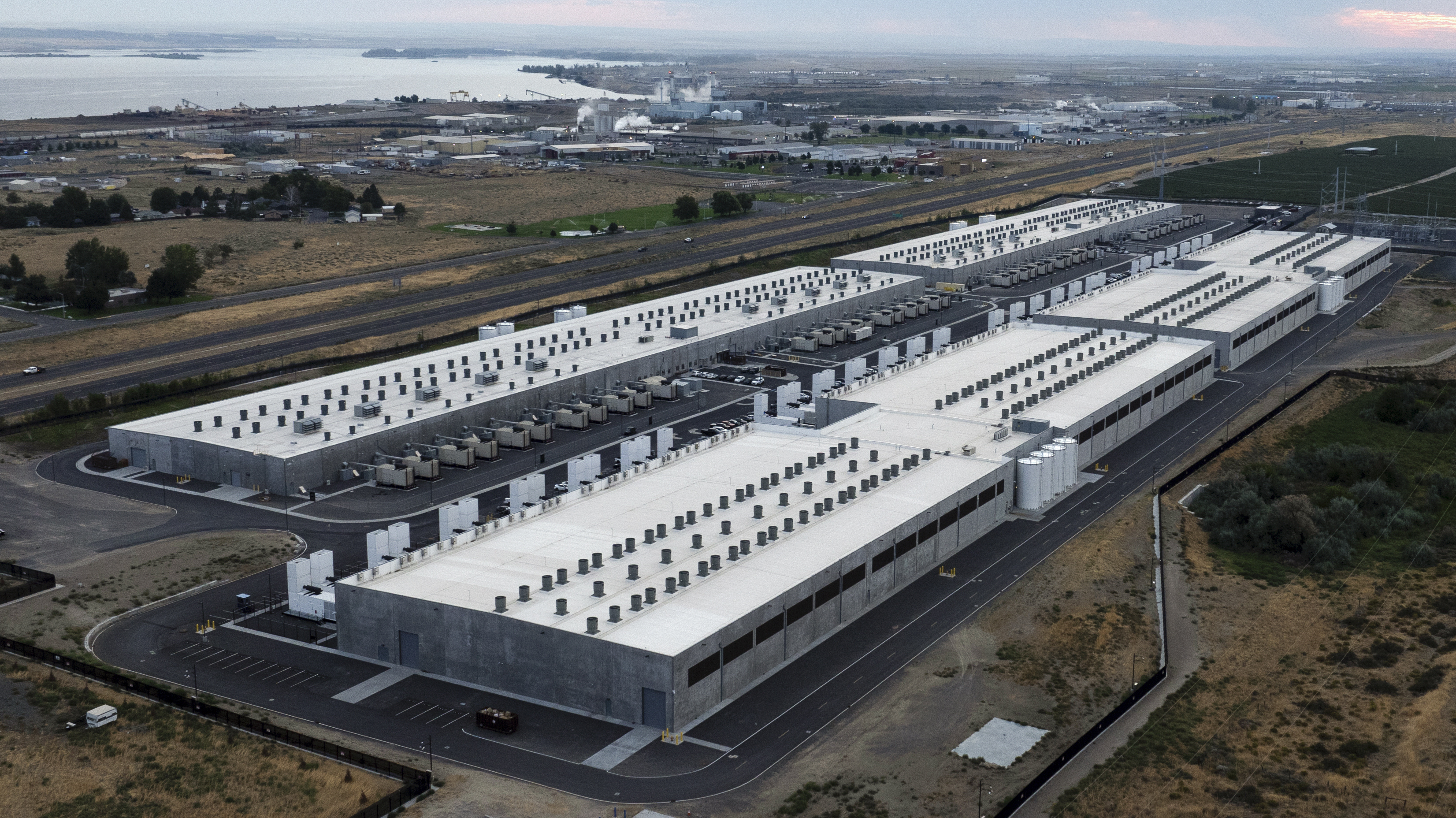
Oregon data centers are no longer just a infrastructure story – they are becoming a political test with real stakes for power bills, water use, land policy, and the future of local economic growth. What used to be framed as a behind-the-scenes bet on cloud computing is now colliding with public frustration over resource strain and a growing suspicion that tech expansion is outpacing public oversight. That shift matters because once data centers become a campaign issue, the conversation stops being about servers and starts being about who gets to decide how much growth a state can absorb. For Oregon, the answer could shape not only the next election cycle, but also how the state positions itself in the next decade of AI-driven demand.
- Oregon data centers are moving from economic asset to political liability.
- Power, water, and land use are turning into the core flashpoints.
- State leaders face pressure to balance tax revenue with public trust.
- AI growth could accelerate demand faster than local infrastructure can adapt.
- The policy choices made now may define Oregon’s tech identity for years.
Why Oregon data centers are suddenly a political problem
For years, Oregon sold itself as a natural fit for data center investment. Cheap-ish power, available land, a cool climate, and a reputation for being tech-friendly made the state attractive to operators looking to scale quickly. But the same qualities that once looked like strengths now invite harder questions. As more data centers cluster in the state, residents and lawmakers are asking what they are getting in return – and what they are losing.
The political backlash is easy to understand. Data centers are visible in utility forecasts but often invisible in daily life, which makes them a perfect target for public skepticism. They can consume significant electricity, require robust grid upgrades, and create pressure on local water systems depending on design and cooling needs. Even when they bring jobs and tax revenue, those benefits can feel abstract compared with the immediate concern that communities are subsidizing infrastructure for giant firms.
Data centers are increasingly judged not just by the services they enable, but by the public tradeoffs they impose.
The economics of Oregon data centers are changing
The economic case for data centers used to be simple: attract investment, expand the tax base, and let the state benefit from being an attractive hub for digital infrastructure. That logic still exists, but it is no longer enough. As AI workloads grow, the facilities getting built today are far more power hungry than the server farms of even a few years ago. The scale difference is not subtle. Modern data centers can demand grid connections and backup systems that resemble industrial projects more than conventional commercial real estate.
That shift creates a more complicated public ledger. On one side are construction jobs, property tax receipts, and the possibility of anchoring long-term digital infrastructure in the region. On the other side are concerns about whether the facilities are too lightly taxed relative to their demands, whether local communities bear the cost of transmission upgrades, and whether incentives offered to lure the projects have become too generous.
There is also a more strategic concern: a state that becomes overly dependent on a single category of growth can find itself boxed in. If every new mega-project strains the same utilities and counties, the politics eventually turn from welcoming development to negotiating limits.
How power became the central fault line
Electricity is the real battleground. Data center growth is tightly linked to utility planning, and utilities typically prefer long-term certainty. But certainty is exactly what the public does not have right now. Residents want to know whether data center demand will push rates higher, crowd out residential growth, or force new transmission investments that primarily serve corporate customers.
What utilities are weighing
- Load growth that can outpace traditional forecasting models.
- Transmission upgrades that can take years to approve and build.
- Rate design questions about who pays for new infrastructure.
- Reliability concerns if demand rises faster than grid flexibility.
Utilities do not want to turn away major customers, but they also do not want to create a political backlash by appearing to favor big tech over ratepayers. That tension is why the debate is shifting from a simple land-use discussion to a broader utility governance issue. The grid is becoming a political object, and data centers are the load that makes it impossible to ignore.
From an editorial standpoint, this is where the story gets bigger than Oregon. If one state starts tightening scrutiny, others are likely to follow. States that once competed to attract data centers may begin competing to regulate them more aggressively, especially if residents start connecting the dots between digital growth and monthly utility costs.
Water, land, and public patience
Power is the headline issue, but water and land use are the pressure points that turn abstract concern into local anger. In communities where growth has already reshaped traffic, zoning, and housing affordability, a new data center can feel like another wave of outside demand arriving with too little explanation.
Water use is especially sensitive. Even when operators use efficient cooling designs, the public often sees a facility that appears enormous and opaque, with unclear long-term resource needs. The same goes for land. A data center campus can occupy valuable industrial property while delivering limited day-to-day visibility for the surrounding neighborhood. That can be a hard sell if local officials are trying to justify the tradeoffs to voters.
The political danger is not just that data centers consume resources. It is that they often do so in ways the public cannot easily see, measure, or contest.
Why this matters for Oregon’s political future
Once a tech issue becomes a kitchen-table issue, campaign dynamics change fast. Candidates can frame data centers as a symbol of either smart economic development or extractive growth that leaves ordinary residents paying the bill. That makes the issue unusually potent because it connects business policy to everyday concerns without requiring much translation.
For Oregon, the stakes are larger than one election. The state has an opportunity to shape a more disciplined model for approving and taxing data centers, one that balances growth with accountability. If it gets that balance wrong, it risks a backlash that could slow investment and sour public trust. If it gets it right, Oregon could become a national case study in how to welcome digital infrastructure without surrendering the terms.
This is especially important as AI continues to expand computing demand. The next generation of data centers will likely be larger, denser, and more resource intensive. States that want the economic upside will need clearer rules, better forecasting, and a more honest public conversation about what infrastructure growth actually costs.
What policymakers can do next
Policymakers do not need to choose between growth and restraint. They need a framework that makes growth legible to the public. That means asking tougher questions before projects are approved and making sure communities understand both the benefits and the liabilities.
- Require clearer disclosure of projected power demand and infrastructure impacts.
- Review tax incentives to ensure public returns match public costs.
- Align utility planning with long-term regional growth forecasts.
- Strengthen community input on zoning, siting, and resource use.
- Set transparency standards for cooling and water-intensive operations.
Pro tip: If a jurisdiction cannot explain who pays for a new data center’s grid upgrades in plain language, it probably does not have a durable policy framework yet.
The bigger tech trend hiding underneath
The Oregon debate is really about whether digital infrastructure can keep expanding without becoming politically toxic. That question now sits at the center of the AI era. As more industries depend on computing capacity, the physical footprint of the internet becomes harder to ignore. The cloud is not ethereal. It is concrete, steel, wire, and utility capacity.
That reality will force a reckoning in states across the U.S. Some will race to attract investment with friendly rules and cheaper power. Others will slow down and demand more accountability. Oregon may end up somewhere in the middle, but the political temperature suggests the state can no longer treat data centers as a low-friction win.
The next phase of the debate will not ask whether data centers belong in Oregon. It will ask how many, under what conditions, and at whose expense. That is the kind of question that can reshape a state’s politics long after the election signs come down.
For readers tracking the future of tech policy, that is the real story: not just where the servers go, but how much democracy gets to say about it.
The information provided in this article is for general informational purposes only. While we strive for accuracy, we make no guarantees about the completeness or reliability of the content. Always verify important information through official or multiple sources before making decisions.