Oregon Wildfire Smoke Turns Borders Into Hazards
Oregon Wildfire Smoke Turns Borders Into Hazards
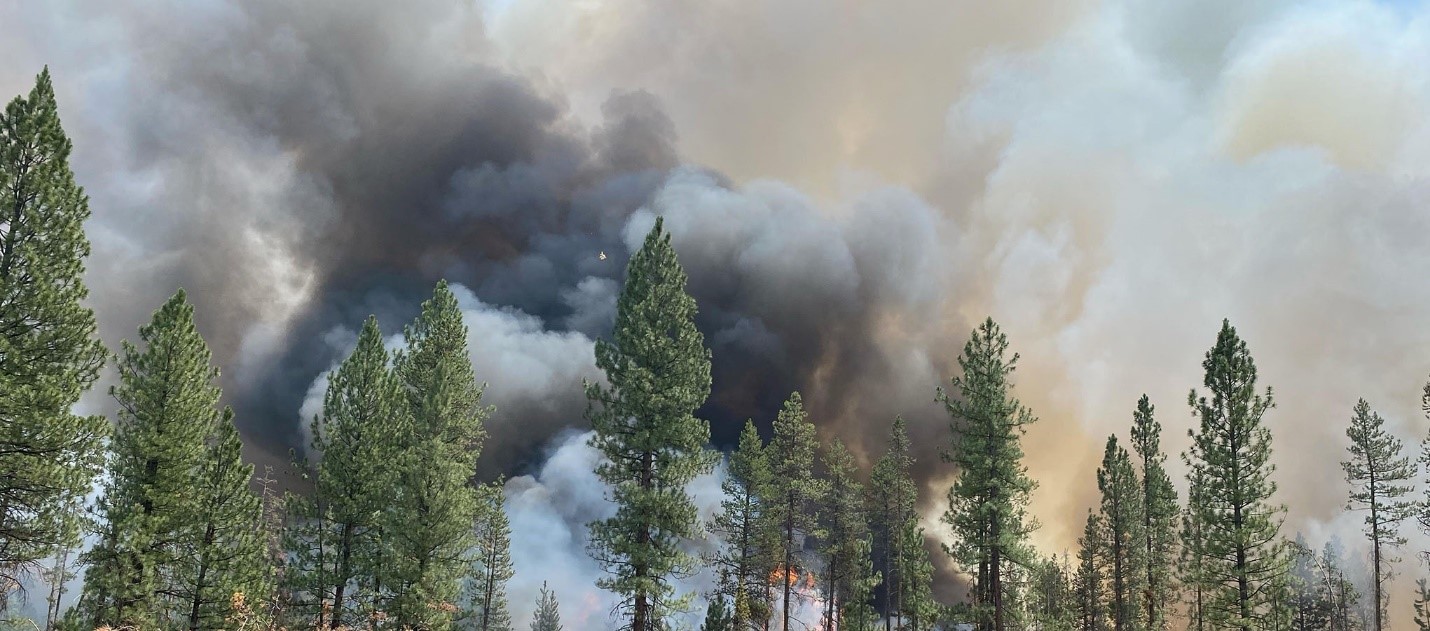
Oregon wildfire smoke is no longer a local nuisance. It is a regional systems failure, and the alarm bells are getting louder. When smoke from intense fires can drift across state lines and into Canada, the old idea that wildfire risk is contained by geography starts to collapse. That matters for people trying to breathe, for hospitals trying to keep up, and for governments still treating air quality like a seasonal inconvenience. The bigger story is not just that fires are burning hotter and farther. It is that smoke has become a mobile threat that can overwhelm communities far from the flames, exposing gaps in emergency planning, public health messaging, and climate adaptation.
- Oregon wildfire smoke is a cross-border health threat, not just a local fire issue.
- Smoke travels fast, which means air quality warnings must be faster and more coordinated.
- Public health systems are increasingly part of wildfire response, not just fire agencies.
- Climate change is making smoke events more frequent, longer-lasting, and harder to predict.
- Communities need practical preparedness, from
HEPAfiltration to cleaner indoor refuge plans.
Why Oregon wildfire smoke matters now
The immediate danger with Oregon wildfire smoke is not flame spread. It is invisible particulate matter that sneaks indoors, irritates lungs, worsens heart conditions, and turns ordinary outdoor life into a health risk. For many residents, the first warning is not a siren but a thickening haze and a scratchy throat. That is a dangerous way to learn about a public health emergency.
What makes this especially serious is the scale. When smoke crosses into Canada, it highlights how wildfire impacts now ignore borders, jurisdictional limits, and local assumptions about preparedness. A fire burning in one region can trigger school closures, flight disruptions, emergency room pressure, and masked commutes hundreds of miles away. That is a policy problem as much as a weather story.
Smoke is the messenger and the hazard at the same time. If planners wait for flames to arrive, they are already behind.
The new reality of wildfire smoke
Wildfire smoke used to be treated like an occasional nuisance, something residents could wait out for a day or two. That model is breaking. Longer fire seasons, hotter temperatures, and drier fuels are stretching smoke events into recurring crises. In practical terms, that means people are being asked to live with unhealthy air for longer periods, often with little warning and uneven access to relief.
What is actually in the air
The primary concern is PM2.5, tiny particles small enough to penetrate deep into the lungs and enter the bloodstream. These particles are associated with increased respiratory symptoms, cardiovascular stress, and higher risk for vulnerable populations, including children, older adults, pregnant people, and those with asthma or other chronic conditions. The smoke plume may look dramatic, but its most damaging effects are often the least visible.
There is also an equity problem. Not everyone can afford air purifiers, sealed windows, filtered HVAC systems, or the ability to stay home when the air turns hazardous. That means wildfire smoke does not hit everyone equally. It hits the people with the least flexibility hardest, which is exactly how environmental risk turns into social risk.
Oregon wildfire smoke and the cross-border challenge
The fact that Oregon wildfire smoke can affect Canada is not a surprise to atmospheric scientists, but it is a warning to policymakers. Air does not respect map lines. Once smoke reaches the jet stream or gets carried by shifting wind patterns, it can travel far faster and farther than local response systems are designed to track.
This is where the old toolkit starts to look dated. Fire suppression teams can manage flames, but they do not control where smoke goes. Public health agencies can issue advisories, but if the messaging is inconsistent across regions, the public gets mixed signals. Transportation networks can reroute some operations, but they cannot easily protect every worker, rider, or classroom from bad air.
Why coordination is the real test
The response to Oregon wildfire smoke should be built like a regional software stack: interoperable, redundant, and fast. That means shared forecasting, consistent alert thresholds, coordinated school guidance, and mutual aid between health departments. If one region says the air is unsafe while another downplays the threat, the public loses trust and compliance drops.
That is why smoke events should be treated as a governance challenge, not just a meteorological one. The better the coordination, the more likely people are to take action early, close windows on time, and avoid unnecessary exposure.
How households can respond to Oregon wildfire smoke
Preparedness is not glamorous, but it is effective. The strongest household response is a combination of filtration, information, and timing. People need to know what to do before the sky turns orange, not after they are already coughing.
- Check local air quality alerts early and often.
- Keep windows and doors closed when smoke levels rise.
- Run a
HEPAair purifier in the room you use most. - Use your HVAC system with a high-efficiency filter if available.
- Avoid strenuous outdoor activity when
PM2.5levels spike. - Have masks ready if you must travel outside during heavy smoke.
Pro tip: Create one clean-air room in your home and make it the default refuge during smoke events. A smaller, sealed room with a purifier is often more effective than trying to clean an entire house all at once.
People with asthma or heart disease should not wait for symptoms to become severe. They should review medication plans, keep rescue inhalers accessible, and know when to seek care. Wildfire smoke can turn manageable conditions into urgent ones quickly.
Why this matters beyond wildfire season
The lesson from Oregon is bigger than one fire season. As climate conditions intensify, smoke is becoming a recurring feature of life in the West and beyond. That changes everything from building design to labor policy. Schools may need better indoor air standards. Employers may need flexible outdoor work protocols. Cities may need public clean-air shelters. Health systems may need surge planning for respiratory cases that arrive in waves.
This is also a communications test. The public has grown used to alerts for storms, heat waves, and floods, but smoke requires a different kind of urgency. It is slow-moving and easy to underestimate until the symptoms show up. That makes clear guidance essential. The message has to be simple: if the air is bad, the fix is not to tough it out. The fix is to reduce exposure.
Climate adaptation is no longer about preparing for rare disasters. It is about building normal life around recurring disruption.
What agencies should do next
Government response needs to evolve from reactive alerts to proactive smoke resilience. That means investing in monitoring networks, opening cleaner public spaces during heavy smoke, and aligning public health messaging across jurisdictions. It also means acknowledging that wildfire smoke is not a short-term anomaly but a structural risk.
Practical policy priorities
Officials should focus on a few high-impact moves:
- Expand air quality monitoring in fire-prone and downwind regions.
- Standardize alert language across states and provinces.
- Fund clean-air shelters in schools, libraries, and community centers.
- Support low-income households with filtration equipment.
- Build smoke scenarios into emergency drills and public health planning.
These are not flashy fixes, but they are the kind that save lives and reduce chaos. The point is not to eliminate every smoke event. That is impossible in the short term. The point is to make sure smoke does not automatically become a public health emergency.
The bigger climate signal
Oregon wildfire smoke is a signal flare for the climate era. It shows how a fire in one place can become an air-quality crisis in another, how public health and climate policy are now inseparable, and how vulnerable our routines are to atmospheric conditions we cannot see or control. That should change the conversation.
For years, wildfire coverage often focused on acreage burned and property loss. Those metrics still matter, but they miss the broader damage. The real story now includes missed school days, worsened chronic illness, emergency room traffic, and the psychological strain of living under a smoky sky. Once you account for those costs, wildfire smoke stops looking like a side effect. It becomes one of the central consequences of a warming, drying world.
The takeaway is blunt: if Oregon wildfire smoke can reach Canada, then wildfire response can no longer be local, seasonal, or narrow. It has to be regional, health-centered, and built for a future where the air itself may be the emergency.
The information provided in this article is for general informational purposes only. While we strive for accuracy, we make no guarantees about the completeness or reliability of the content. Always verify important information through official or multiple sources before making decisions.