Panoramic Hill Shooting Sparks Safety Scrutiny
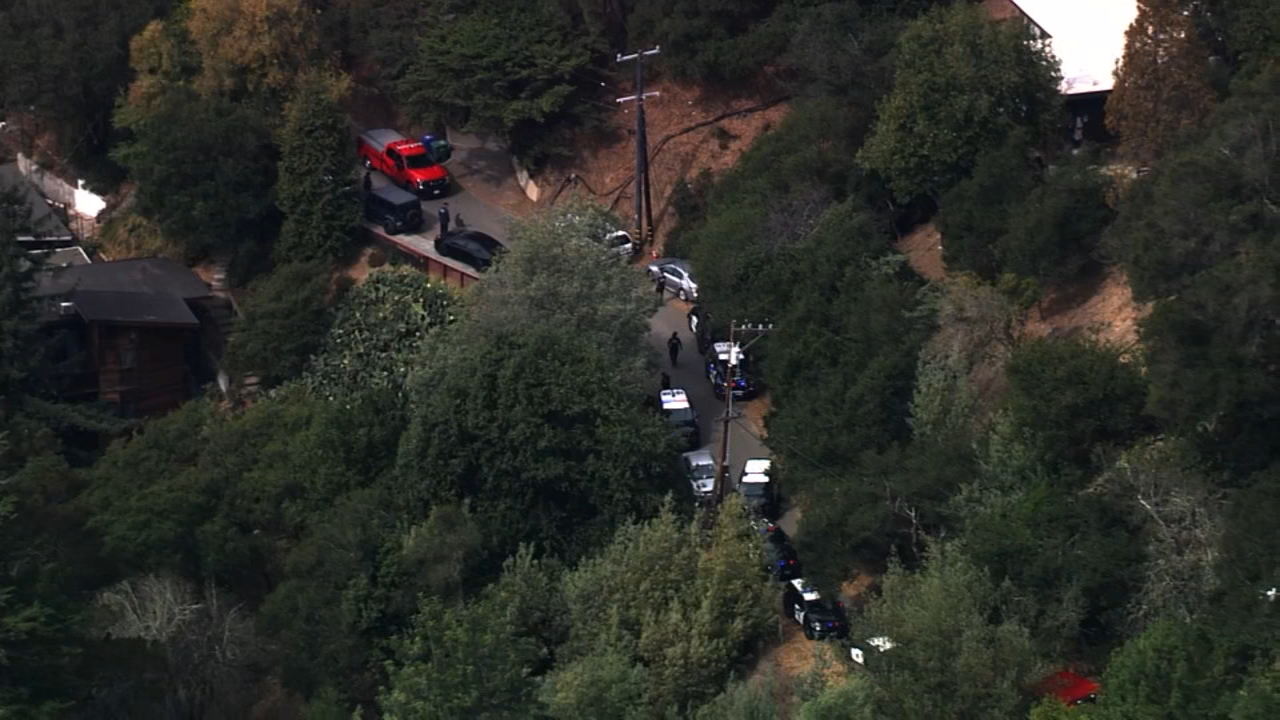
Panoramic Hill Shooting Sparks Safety Scrutiny
A quiet hillside neighborhood can become a crisis zone in seconds, and the latest Panoramic Hill shooting is a sharp reminder that public safety is not just a police matter – it is an information problem. Two people were shot on Panoramic Hill, according to police, who also said there was no active threat to the public. That reassurance matters, but it does not erase the anxiety for residents, students, commuters, and families who rely on fast, clear updates when violence hits close to home. The immediate danger may have passed, but the harder questions remain: how quickly did the community know, what should people do during the uncertainty, and how can a dense, campus-adjacent area build better safety habits before the next emergency?
- Police said two people were shot on Panoramic Hill and reported no ongoing
active threat. - The incident highlights the need for clear emergency communication in campus-adjacent neighborhoods.
- Residents should verify alerts, avoid rumor loops, and preserve space for first responders.
- Long-term safety depends on lighting, reporting culture, preparedness, and trust in official channels.
Why the Panoramic Hill Shooting Matters Beyond One Incident
Panoramic Hill sits in a sensitive urban seam: residential streets, student housing patterns, hillside access roads, and the daily movement of people connected to Berkeley. When violence happens in a place like that, the impact spreads faster than the police tape. It affects how people walk home, whether parents call their children, whether students refresh alerts, and whether neighbors feel comfortable opening their doors.
The phrase no active threat is the key operational message here. It tells the public that authorities do not believe there is an ongoing danger requiring immediate protective action across the area. But it is also a phrase that can sound sterile when people are trying to understand whether they should stay inside, avoid certain blocks, or expect a suspect search nearby.
Key insight: In a community emergency, reassurance is only useful when it is paired with practical guidance. People need to know not just that the threat is over, but what to do next.
That is why incidents like this deserve more than a crime-blotter summary. They expose the gap between official language and lived experience. Police may be focused on scene control, evidence, and victim care. The public is focused on movement, safety, and trust. Both are legitimate. The strongest emergency response systems serve both needs at once.
Panoramic Hill Shooting and the Challenge of Real-Time Alerts
Emergency communication is now judged in minutes. Residents expect near-instant updates, but law enforcement often has to verify facts before sharing them. That tension creates a vacuum, and vacuums get filled by group chats, scanner fragments, social posts, and speculation.
For a campus-adjacent neighborhood, this is especially complicated. A shooting may involve city police, campus police, fire responders, medical teams, and local emergency management. Each agency may have different thresholds for sending an alert. One channel may describe an incident as a police investigation, while another frames it as a public safety advisory. To the public, those differences can feel confusing or even contradictory.
What no active threat actually means
No active threat generally means authorities do not believe the public is facing an immediate, ongoing danger at the time of the update. It does not necessarily mean an investigation is complete. It does not mean there will be no police presence. It does not mean every detail is known. And it does not always mean a suspect has been publicly identified or located.
That distinction matters. People often interpret no active threat as closure, but in policing terms it is more like a risk assessment. The active emergency has eased, while the investigative work continues.
Why alert wording needs to be specific
The best public alerts answer four questions quickly: what happened, where it happened, what people should do, and where the next update will appear. If any of those elements are missing, residents start guessing. A phrase like avoid the area is useful only if the area is clearly defined. A phrase like shelter-in-place is powerful only if people know when it begins and ends.
Pro Tip: If you live near a university or dense residential corridor, subscribe to both city and campus alert systems when available. Emergencies do not respect jurisdictional boundaries, and neither should your information sources.
What Residents Should Do After a Panoramic Hill Shooting
Once police say there is no active threat, the public still has a role to play. The first priority is to avoid interfering with the response. Crowding a scene, filming victims, or driving toward emergency vehicles can slow the work of first responders and create secondary hazards.
- Stay clear of the scene: Give police, firefighters, and medical personnel room to work.
- Use official channels: Check city, campus, or police updates before sharing claims.
- Document responsibly: If you have relevant information, preserve it and provide it to investigators rather than posting it for attention.
- Check on neighbors: Elderly residents, students living alone, and people without reliable phone access may need help understanding what happened.
- Review personal routines: Consider lighting, walking routes, rides, and emergency contacts without slipping into panic.
The goal is not to turn every resident into a tactical responder. It is to reduce confusion. During emergencies, even small decisions matter: choosing not to forward an unverified rumor, keeping a roadway clear, or helping someone find an official alert can improve the community response.
The Broader Safety Picture for Hillside Neighborhoods
Hillside neighborhoods create unique public safety challenges. Streets can be narrow. Lighting can vary. Cellular reception may be inconsistent in pockets. Access routes may limit how quickly emergency vehicles can enter or leave. Footpaths and stairways can be convenient in daily life but difficult to monitor during an incident.
Those factors do not cause violence, but they shape how emergencies unfold. A shooting in a flat commercial corridor is different from a shooting on a hillside block where movement, visibility, and access are more constrained. That is why preparedness has to be hyperlocal.
Environmental design still matters
Public safety is not only about patrols. It is also about whether people can see and be seen. Better lighting, trimmed vegetation near walkways, visible address numbers, and maintained paths can help residents feel safer and help responders locate incidents faster.
Communities sometimes overlook these basics because they seem less dramatic than enforcement. But the fundamentals are often what determine whether a neighborhood is resilient. A well-lit stairway, a working porch light, or a visible building number can make a real difference during a fast-moving response.
Trust is infrastructure
Emergency systems rely on trust long before an alert arrives. If residents trust official channels, they are more likely to follow instructions. If they believe updates are vague, late, or incomplete, they are more likely to rely on rumor. That is not just a communications problem. It is a safety problem.
Editorial view: The standard for public safety communication should not be whether an agency technically issued an update. The standard should be whether an ordinary person could understand the risk and make a smart decision within seconds.
Panoramic Hill Shooting Shows the Limits of Reassurance
Police saying there is no active threat is important and should not be minimized. It can prevent panic, reduce unnecessary calls, and help people resume movement when it is safe. But reassurance has limits when a community has just learned that two people were shot nearby.
People will want to know whether the incident was targeted or random, whether any suspect remains at large, whether nearby streets are open, and whether additional patrols will be present. Not all of those details can be released immediately. Investigators have to protect evidence, witnesses, and victims. Still, agencies can often do more to explain what they can and cannot say.
Clear uncertainty is better than vague confidence. A strong update might say that police do not believe there is an ongoing danger to the public, that the investigation remains active, that residents should avoid a specific area, and that another update will follow when available. That kind of structure builds credibility even when facts are limited.
What Comes Next for Berkeley and Panoramic Hill
The immediate next steps belong to investigators: interviewing witnesses, processing the scene, reviewing available footage, and determining what led to the shooting. For the community, the next steps should be broader. Residents and local leaders should evaluate whether emergency alerts reached the right people, whether the message was clear, and whether vulnerable residents had enough support.
This is also a moment to revisit preparedness without turning fear into policy theater. More communication does not always mean better communication. More patrols do not automatically equal more safety. The smarter path is targeted: faster verified alerts, better neighborhood readiness, stronger lighting and access planning, and a culture that encourages reporting without amplifying panic.
For students and residents, the practical takeaway is simple. Know your alert sources. Save local emergency numbers. Pay attention to your surroundings without doomscrolling every police update. If you witness something relevant, report it directly. And when officials say there is no active threat, understand what that means: the immediate public danger may have passed, but the work of accountability, healing, and prevention is just beginning.
The information provided in this article is for general informational purposes only. While we strive for accuracy, we make no guarantees about the completeness or reliability of the content. Always verify important information through official or multiple sources before making decisions.