Paxton Shakes Texas GOP
Paxton Shakes Texas GOP
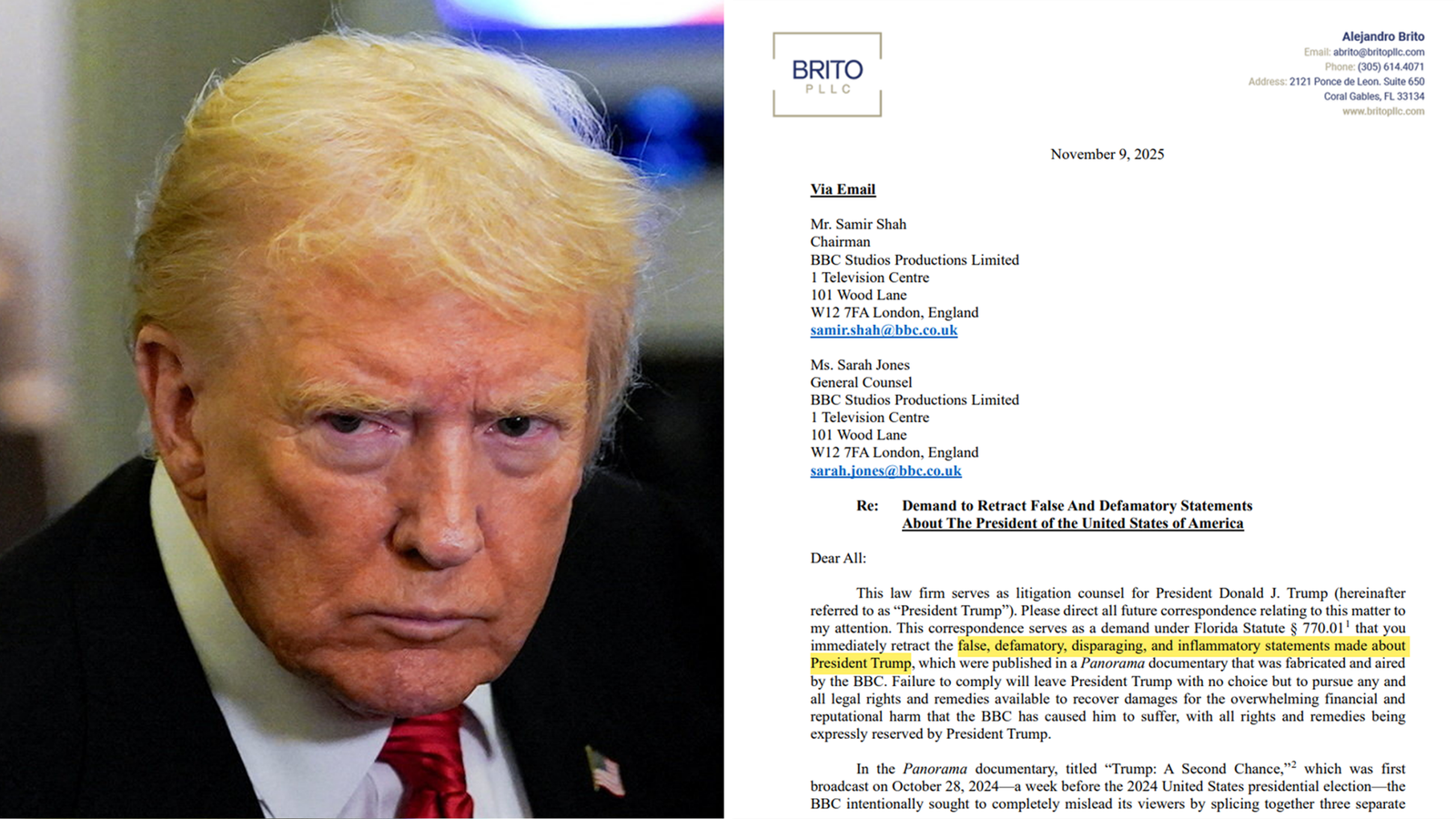
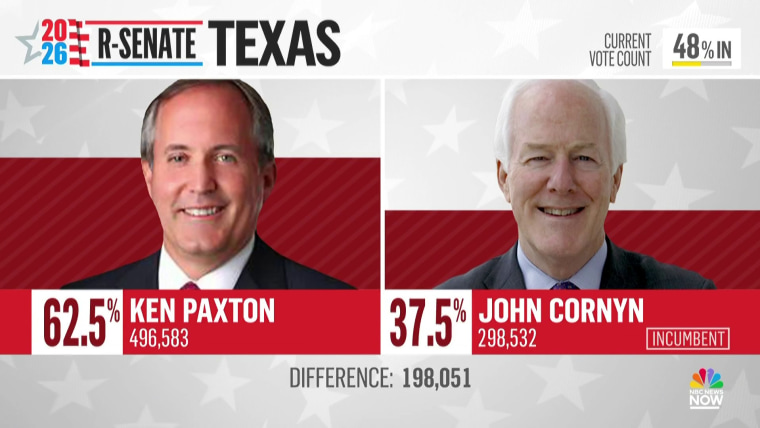
The Ken Paxton Texas primary runoff is more than a headline-sized upset: it is a stress test for the Republican establishment, a loyalty audit for elected officials, and a warning shot for anyone who thought Texas conservatism still ran on old rules. When a long-serving senator with national stature gets knocked off by a polarizing attorney general backed by Donald Trump, the result is not just personal defeat. It is a signal that ideological intensity, media-fueled grievance, and Trump-aligned branding now matter more than seniority, committee clout, or institutional memory. For voters, donors, and operatives, this race exposes something bigger than one bruising contest. Texas is no longer simply a Republican stronghold. It is becoming a laboratory for what the party rewards, what it punishes, and what kind of candidate can survive the next phase of internal Republican warfare.
- Ken Paxton Texas primary runoff marks a decisive win for the Trump wing over the traditional GOP establishment.
- John Cornyn’s defeat suggests seniority and policy experience are losing ground to ideological alignment and populist energy.
- Trump’s endorsement remains a powerful force in Republican primaries, especially in high-turnout identity-driven races.
- The result could reshape fundraising, candidate recruitment, and messaging ahead of the general election cycle.
- Texas now looks less like a predictable red state machine and more like a proving ground for the future of the GOP.
Why the Ken Paxton Texas primary runoff matters far beyond Texas
Texas has always mattered in national politics because of its size, donor base, and symbolic weight inside the Republican coalition. But this race matters for a more specific reason: it clarifies who actually controls the party at the voter level.
Cornyn represented a version of Republican power that once looked durable – disciplined, well-funded, and deeply connected to Washington. Paxton represented something very different: a combative, scandal-shadowed, highly recognizable culture-war figure whose political survival has long depended on convincing voters that attacks on him are really attacks on them.
That contrast made the runoff unusually revealing. This was not a contest between moderate and conservative. It was a contest between institutional conservatism and movement populism. Paxton’s victory suggests that, in today’s GOP, the second force is still winning.
The real story is not that an incumbent-aligned figure lost. It is that Republican primary voters appear increasingly willing to treat confrontation itself as a qualification.
How Cornyn lost the ground beneath him
Incumbents usually lose when several weaknesses converge at once. That appears to be what happened here.
Name recognition was not enough
Cornyn was known. He had establishment allies, a long record, and credibility in Senate power circles. In another era, that would have been an enormous advantage. But primary voters are increasingly asking a different question: not whether a candidate can govern effectively, but whether they can fight visibly.
That distinction matters. A senator can be influential in ways that are hard to package into viral politics. A state attorney general can build a brand by picking high-conflict battles, speaking directly to partisan anger, and turning legal warfare into campaign identity. Paxton has operated in exactly that lane.
Trump’s endorsement changed the frame
Trump backing Paxton did more than help with turnout. It simplified the race into a loyalty test. Once that happens, nuance collapses. Cornyn no longer runs as an experienced conservative lawmaker. He risks being cast as the insufficiently aligned figure standing in the way of the movement’s preferred champion.
That framing remains brutally effective inside Republican primaries. It converts debates over competence, ethics, and electability into a single emotional question: who is really with us?
Establishment support may now be a mixed asset
There was a time when endorsements from party elites signaled stability and seriousness. Now they can also signal distance from grassroots frustration. In hyper-polarized contests, every establishment ally can become a targetable symbol.
That is one of the hardest realities for veteran Republicans to navigate. The credentials that once protected them can now make them look stale, cautious, or disconnected from the party’s most energized base.
Paxton’s win was built for the current media era
Paxton is not a conventional candidate, and that is exactly the point. Conventional candidates rely on message discipline, coalition maintenance, and broad acceptability. Paxton’s model is different: maximize intensity, dominate partisan attention, and convert controversy into proof of authenticity.
That strategy works especially well in primary environments shaped by algorithmic media habits. Voters are not simply hearing about candidates through local news or direct mail. They are encountering them through clipped video, social posts, talk radio framing, partisan newsletters, and nationalized outrage cycles.
In that environment, a candidate with a sharp conflict-driven identity often has structural advantages over a candidate selling experience and process. One message is emotionally immediate. The other requires patience.
What this says about modern Republican incentives
The incentives are increasingly clear:
- Reward visibility over seniority.
- Reward combativeness over consensus-building.
- Reward alignment with Trump over independent institutional standing.
- Reward symbolic fights that travel well across partisan media.
That does not mean every Republican race will follow the same script. But it does mean candidates are learning what the base appears to value most – and adapting quickly.
The bigger Republican realignment is now harder to ignore
The Ken Paxton Texas primary runoff fits into a broader pattern that has been developing for years. The Republican Party is not merely moving right ideologically. It is reorganizing around a different definition of legitimacy.
Under the older model, legitimacy came from tenure, policy influence, fundraising strength, and party leadership roles. Under the newer model, legitimacy comes from public combat, anti-establishment posture, and perceived loyalty to Trump and the movement around him.
That shift has consequences.
Candidate recruitment changes
Ambitious Republicans watching this race will absorb the lesson. If they want to win primaries, they may decide they need a stronger culture-war profile, a more aggressive media strategy, and a clearer anti-establishment posture. That can alter who runs in the first place.
Fundraising networks adapt
Donors tend to follow momentum. If movement-aligned candidates keep outperforming old-guard Republicans, money will increasingly flow toward contenders who can generate high engagement and national activist interest, even if they bring more general-election risk.
Governing could get even harder
When the path to power depends on proving you are a fighter first, compromise becomes politically dangerous. That can make legislative governing harder, especially in institutions that still require negotiation, coalition management, and procedural patience.
A party can become extremely efficient at winning internal loyalty contests while becoming less effective at translating those victories into stable governance.
What Texas tells us about Trump’s continuing grip
The simplest takeaway is also the most important: Trump’s political influence remains potent where it matters most inside the GOP – primary elections. His endorsement still acts as a sorting mechanism. It helps voters decide who represents the movement and who merely occupies Republican office.
That power does not mean every endorsed candidate will win. But it does mean Trump still has unusual capacity to define the stakes of a race. In this runoff, that appears to have mattered enormously.
For rivals inside the party, that creates a strategic problem. Running as a traditional conservative is no longer enough if the race becomes a referendum on Trump-era allegiance. Candidates now need to decide whether to compete for movement approval, carefully sidestep the question, or confront it directly. None of those paths is easy.
Why this matters for the general election map
Primary victories do not automatically translate into general election strength. That is where the story gets more complicated.
A candidate who thrives in a high-intensity Republican runoff may energize the base while also sharpening opposition turnout. Texas remains Republican-leaning, but demographic change, urban-suburban shifts, and turnout variation mean parties cannot assume that every primary winner is the strongest statewide nominee.
That creates a familiar tension in modern politics: the candidate best positioned to win the primary may not be the candidate best positioned to expand the coalition in November.
The electability question will not disappear
Supporters of establishment figures often overuse the word electability, but the concern is not imaginary. Voters in a partisan primary and voters in a broader statewide electorate do not always reward the same traits. The more a campaign is built around grievance and internal party combat, the harder it can be to pivot toward broader appeal later.
Still, parties repeatedly choose intensity over caution because intensity wins nominations. That is the trap and the logic of the current system.
Strategic lessons from the runoff
For Republicans
- Ignore Trump’s endorsement power at your own risk.
- Do not assume institutional credibility still persuades the base.
- Build a message that feels immediate, emotional, and conflict-ready.
- Understand that party voters may see prosecution, criticism, or controversy as validation rather than disqualification.
For Democrats
- Do not mistake GOP infighting for automatic weakness.
- Study whether a hardline Republican nominee opens turnout opportunities in suburbs and among independents.
- Frame the race around governance, stability, and consequences – not just outrage.
For political operatives
A useful shorthand is this:
Primary strength != general election durability
That gap is where campaigns are now won or lost. The smartest strategists will not just celebrate or mourn this result. They will model what kind of electorate produced it and whether that coalition scales.
The verdict on Texas and the GOP’s future
Paxton’s victory is not just a personal triumph or a Trump-backed headline. It is evidence that the Republican Party’s internal evolution is continuing, not stabilizing. The center of gravity remains with candidates who can channel grievance, demonstrate movement loyalty, and turn conflict into fuel.
Cornyn’s loss underscores a harsher reality for long-serving Republicans: experience is no longer self-evidently valuable to primary voters unless it comes wrapped in visible ideological combat. If you cannot embody the fight, your résumé may not save you.
Texas matters because it often previews where Republican politics is heading before the rest of the party fully admits it. This runoff suggests the next phase is already here. The question is no longer whether Trump-style politics still dominates the GOP. The question is how many establishment survivors are left – and whether any of them can adapt before the next primary arrives.
The information provided in this article is for general informational purposes only. While we strive for accuracy, we make no guarantees about the completeness or reliability of the content. Always verify important information through official or multiple sources before making decisions.