Pep Guardiola Exit Shakes Manchester City
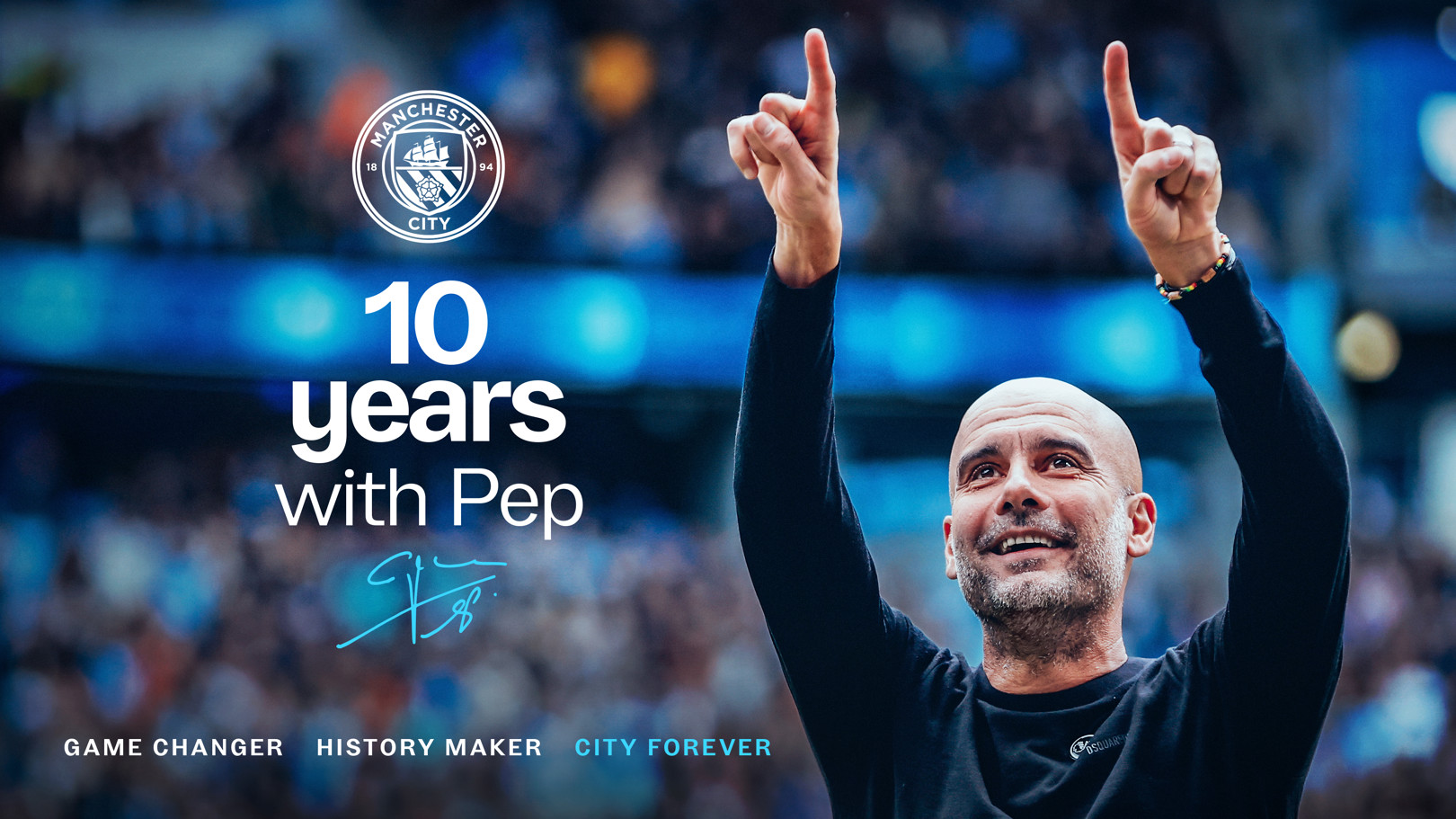
Pep Guardiola Exit Shakes Manchester City
Pep Guardiola stepping down is not just a football headline – it is a stress test for one of the most meticulously engineered dynasties in modern sport. When a club builds its identity around a single coach’s philosophy, departure becomes more than succession planning. It becomes a question of whether the machine can keep running at the same speed once its architect walks away. For Manchester City, that question carries sporting, financial, and cultural consequences. Guardiola has not only defined how City play, but also how rivals recruit, how executives think about long-term project building, and how elite clubs package dominance as a repeatable system. His public identity as both serial winner and vocal advocate on political issues has made him even more central to the story. Now the focus shifts from legacy to risk: what City lose, what comes next, and why the timing matters.
- Pep Guardiola stepping down marks the end of a defining era for Manchester City and European football.
- City’s next challenge is not just replacing a coach, but preserving a tactical and institutional model built around him.
- Guardiola’s influence extends beyond trophies to recruitment, player development, and the politics of football leadership.
- The decision will reshape transfer strategy, dressing-room hierarchy, and how rivals view City’s vulnerability.
Why Pep Guardiola stepping down is bigger than a normal managerial exit
Top clubs change managers all the time. Very few change eras. Guardiola belongs to the second category. His tenure at Manchester City has been so expansive that it blurred the line between head coach and system designer. The style of play, the squad profile, the rhythms of possession, the tactical use of defenders stepping into midfield, the expectation of relentless control – all of it has his fingerprints on it.
That is why Pep Guardiola stepping down lands differently. It is not simply about who takes the dugout seat next. It is about whether City can preserve an elite operating model without the obsessive detail that made it work. Clubs often say structures outlast personalities. Sometimes that is true. But in football, the rare manager who fuses innovation with authority usually leaves a vacuum that structure alone cannot fill.
When a coach becomes the club’s operating system, replacing him is less like making a hire and more like migrating a platform.
City will still have resources, executive experience, and a squad assembled for high-level competition. But football history is full of examples where stability on paper masked instability in practice. The post-Guardiola phase will test whether City built a sustainable institution or simply the best version of Guardiola’s vision.
The Guardiola model changed what elite football expects
Tactical control became the baseline
Guardiola did not invent positional play, pressing triggers, or technical superiority in buildup, but he industrialized them at a scale few managers have matched. Under him, Manchester City normalized the idea that domestic dominance should come with tactical sophistication, aesthetic control, and adaptation from match to match.
That influence spread everywhere. Full-backs became midfield auxiliaries. Center-backs were expected to progress play under pressure. Goalkeepers needed comfort in possession, not just shot-stopping reflexes. Recruitment at the highest level increasingly favored players who could interpret space, not simply survive chaos.
Squad building became hyper-specialized
One overlooked part of Guardiola’s success is how much it depended on alignment between coaching and recruitment. City did not just buy stars. They invested in players who fit an intellectual framework. That matters now because a successor may inherit a squad designed for a very specific football language.
A new manager could view those same players differently. Some may thrive with more freedom. Others may suddenly look less indispensable if the tactical map changes. This is where elite transition periods become expensive. Clubs can spend heavily just to move from one coherent idea to another.
The manager’s public voice mattered too
Guardiola’s profile has always stretched beyond football. He has often used his platform to speak on social and political issues, including Palestine. That widened his relevance and, inevitably, the scrutiny around him. For some fans, that added moral clarity. For others, it added controversy. Either way, it made him more than a coach with medals.
That dimension matters because his departure closes not only a tactical chapter but also a public-facing one. In the modern game, image management, leadership, and global identity are tightly connected. Clubs are no longer judged only by scorelines, but by the personalities who represent them.
What Manchester City lose the moment Guardiola leaves
They lose obvious things first: one of the most decorated coaches of his generation, a culture of elite standards, and a tactical edge opponents still struggle to contain. But the subtler losses may prove more disruptive.
- Authority: Guardiola’s track record gives him unusual leverage in dressing-room management.
- Clarity: Players know what is expected in highly detailed roles.
- Fear factor: Opponents often adapt to City before the match even starts.
- Attraction: Top players are often more willing to join a project led by a coach of his stature.
There is also the issue of emotional reset. Long-running dynasties often become mentally tied to one figure. Once that figure leaves, even an excellent squad can drift. Standards remain high, but certainty weakens. In elite sport, small drops in clarity often produce large drops in results.
The succession puzzle is harder than it looks
Every major club likes to project control during transitions. The reality is messier. Replacing a legendary coach forces competing priorities into the open. Does the club want continuity or disruption? A tactical disciple or a charismatic reset? A safe internal fit or a bold external bet?
There are two broad approaches City could take.
Option one: preserve the blueprint
This route would favor a coach comfortable with positional play, structured buildup, and role-specific coaching. The upside is obvious: less squad churn, smoother adaptation, and a better chance of maintaining City’s identity. The risk is that imitation rarely equals mastery. A successor who copies the style without matching Guardiola’s authority or flexibility could look like a downgrade immediately.
Option two: redesign the system
The alternative is to acknowledge that post-Guardiola life should not be Guardiola-lite. A new manager could bring a faster, more vertical style, alter pressing intensity, or loosen positional restrictions. That might refresh players and reduce the burden of comparison. But it would also create friction with a squad assembled for another ideology.
The worst post-legend strategy is indecision: asking a new coach to deliver change while pretending nothing important has changed.
City’s executives are experienced enough to understand that danger. The question is whether they can solve it without a painful adjustment year.
Why this matters beyond Manchester City
Football’s elite is interconnected. One high-profile managerial departure changes behavior across the market. Rivals sense opportunity. Players reassess career plans. Agents reposition clients. Boards reevaluate timelines. If Manchester City appear even slightly vulnerable, the rest of the Premier League and Europe will respond.
This is also a moment that says something bigger about modern football governance. Clubs spend years claiming they are future-proofed by data, infrastructure, and executive continuity. Then a transformative individual exits, and everyone is reminded that human leadership still matters more than any presentation deck suggests.
For supporters, that lesson is especially sharp. Fans are often told to trust the project. But projects in football are fragile. They depend on confidence, coherence, and repeated decision quality under pressure. Guardiola supplied all three at a level very few managers can replicate.
Pep Guardiola stepping down and the politics of legacy
Legacy in football is never clean. It is argued through trophies, style, spending, institutional support, and public persona. Guardiola’s Manchester City era will be celebrated for silverware and innovation, but it will also remain part of broader debates around power in modern football: who gets to define success, how clubs build influence, and what role public advocacy should play for figures at the center of global sport.
His stance on political issues ensured that his profile could not be reduced to touchline genius alone. That made him a larger cultural actor, not just a sports employee. For a segment of the audience, that deepened respect. For another, it complicated his image. Either way, it made his exit resonate beyond the Premier League results page.
That is why the reaction will not be confined to transfer gossip or tactical threads. It will be framed through identity, values, and the meaning of leadership in a highly commercialized game.
What fans and observers should watch next
- Squad response: Do senior players commit publicly and perform with the same edge?
- Recruitment signals: New signings often reveal the shape of the next tactical era.
- Executive messaging: How the club explains the transition will hint at whether it wants continuity or reinvention.
- Short-term results: Early turbulence does not always mean decline, but it often exposes structural stress.
Pro Tip: In post-manager transitions, watch role changes before results. If key players are suddenly used in different zones or responsibilities, the tactical reset is deeper than the club may publicly admit.
The likely future: stable power, but less certainty
Manchester City are too wealthy, too organized, and too talented to collapse simply because Guardiola is leaving. That is the reassuring view, and it is probably correct in the narrow sense. City should remain competitive. They should remain attractive. They should remain a major force.
But dominant is not the same as merely strong. Predictable excellence is the rarest commodity in elite sport, and Guardiola delivered it for an extended period. Once that disappears, uncertainty enters the room. Margins tighten. Opponents believe again. Internal questions get louder.
Pep Guardiola stepping down therefore feels like one of those moments that will look even bigger in hindsight. Not because Manchester City immediately stop winning, but because the assumptions that defined this era no longer hold automatically. A club built to look inevitable now has to prove it can stay elite without the man who made inevitability seem routine.
That is the real story: not farewell, but exposure. The next phase will show whether Manchester City created a self-sustaining empire or the most polished manager-centric project of the modern game. Either outcome would be historic. Only one would be comfortable.
The information provided in this article is for general informational purposes only. While we strive for accuracy, we make no guarantees about the completeness or reliability of the content. Always verify important information through official or multiple sources before making decisions.


