Petrol Prices Surge and Australia Faces the End of Fuel Relief
Petrol Prices Surge and Australia Faces the End of Fuel Relief
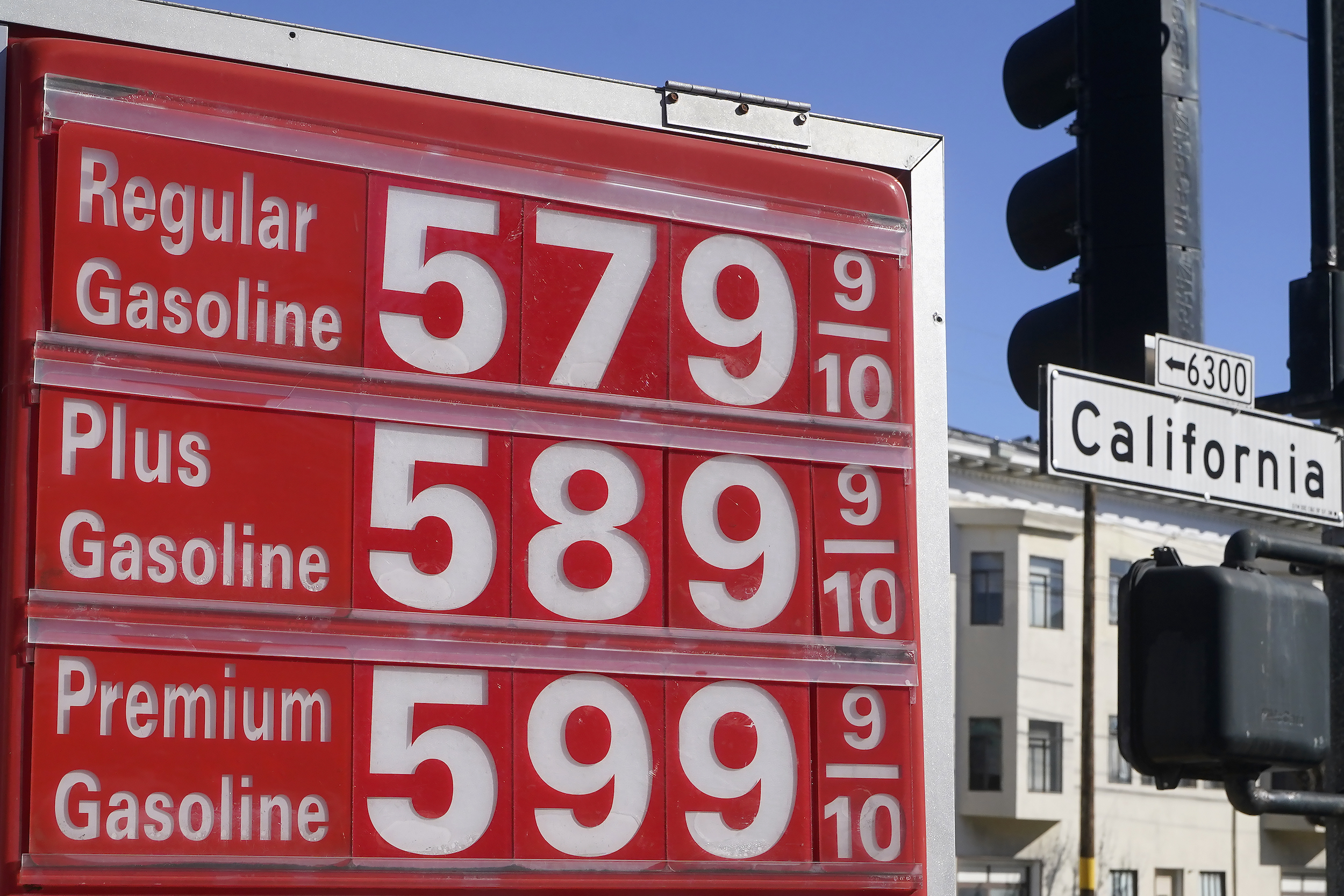
Australia is heading into a fresh cost-of-living squeeze, and petrol prices are once again at the center of it. As prices edge toward the psychologically brutal $2 a litre mark, the expiration of fuel excise relief is turning a temporary cushion into a harder reality for households already stretched by rent, groceries, and power bills. This is not just a driver pain story. It is a policy story, a business story, and a signal that the government’s short-term relief measures are running out of road. For commuters, tradies, freight operators, and anyone who relies on transport to keep a life or business moving, the next phase looks more expensive and less forgiving.
- Fuel relief is fading just as global and local pressures keep pump prices elevated.
Petrol pricesnear$2 a litrewill hit household budgets and business margins fast.- Transport, logistics, and retail costs can rise quickly when fuel stays high.
- The policy debate is shifting from short-term relief to long-term resilience.
- Consumers may need to rethink travel, vehicle choices, and budget planning.
Why petrol prices are becoming a political fault line
The headline number matters because it is simple, visible, and impossible to ignore. When petrol prices move toward $2 a litre, the effect is immediate and emotional. People do not need a macroeconomics briefing to understand what it means at the bowser. They feel it in the weekly fuel stop, then in the cost of getting to work, school, appointments, and weekend commitments.
That visibility gives fuel policy an outsized role in politics. Governments can announce tax relief, but they cannot control every lever that drives pump prices. Global oil markets, exchange rates, refinery constraints, freight costs, and retailer margins all shape what drivers see. The result is a policy trap: relief can soften the blow for a while, but it rarely solves the underlying problem.
The deeper issue is not just high fuel prices. It is how quickly a temporary policy becomes a permanent expectation when households are already under strain.
What ends when fuel excise relief disappears
Fuel excise relief is designed as a pressure-release valve. It cuts the tax burden on fuel for a limited period, helping to blunt a sharp spike in prices. But once it expires, that support vanishes immediately. For drivers, that means the price at the pump can jump even if global oil markets have not moved much at all.
That is why the end of relief often feels more dramatic than the policy itself. It does not create a new market shock, but it removes the buffer that was hiding one. In practical terms, the disappearance of relief means the full tax component returns, and that can add meaningful cost to every fill-up.
For families, the math is ugly. A higher weekly fuel bill competes with everything else: rent, childcare, insurance, and food. For small businesses, especially those with delivery fleets or site-based work, the cost does not stay in one lane. It spreads into operations, pricing, and margins.
Petrol prices and the household squeeze
This is where the story becomes less abstract. Rising petrol prices are a blunt-force multiplier on inflation. Even households that do not drive long distances still absorb the impact because transport costs flow through the economy. Groceries arrive on trucks. Household goods move through logistics networks. Services depend on staff getting from place to place.
For many Australians, the issue is not a single expensive fill-up. It is the cumulative effect of dozens of small financial hits. Fuel is especially punishing because it is difficult to avoid. You can delay buying a new phone, cut streaming subscriptions, or switch supermarkets. You cannot easily opt out of getting to work.
The pain is strongest for outer-suburban and regional households, where public transport alternatives are limited and car dependence is higher. Those families often travel further, use older vehicles, and have less room in the budget to absorb price spikes. That makes fuel policy feel less like an abstract tax debate and more like a fairness issue.
Why the pain spreads beyond drivers
High fuel prices do not stay confined to petrol stations. They ripple outward through the economy in a chain reaction that can be hard to reverse. A delivery company paying more at the pump may raise freight charges. A retailer facing higher transport costs may lift shelf prices. A builder may reprice quotes to protect margins. The result is an inflationary push that can linger well after the initial jump in fuel is forgotten.
That is why economists watch fuel closely. It is both a direct expense and a signal. When fuel rises, it can erode consumer confidence, suppress discretionary spending, and make already cautious households even more defensive.
Business impacts from transport to retail
Businesses are often the first to feel fuel pressure in a more systematic way. A household can trim a road trip. A logistics operator cannot simply stop moving goods. Freight companies, couriers, trades, regional service providers, rideshare drivers, and sales teams all face immediate cost exposure.
For operators running on thin margins, even small fuel increases can force hard decisions. Do they absorb the cost and accept lower profit, or pass it on and risk losing customers? Neither option is attractive. This is why fuel prices can become a broader business confidence issue, especially for small and medium-sized firms that lack the leverage of large corporations.
The retail sector is particularly vulnerable. When transport costs rise, goods get more expensive before they even hit shelves. That pressure arrives on top of wages, rent, and financing costs. If consumers are already cautious, businesses may hesitate to raise prices too aggressively. But they cannot keep eating the difference forever.
When fuel climbs, the cost does not stop at the vehicle. It becomes a supply-chain tax that almost every sector eventually pays.
The policy problem with short-term relief
Temporary fuel relief can make sense during a spike. It offers immediate help and buys time for households to adjust. But it also creates a familiar political problem: the longer relief exists, the more painful its removal becomes. Policymakers then face a choice between fiscal discipline and public backlash.
The real challenge is that excise relief is a blunt instrument. It helps everyone, including higher-income households that may not need support as urgently as lower-income drivers. It does little to reduce dependence on fossil fuels or address structural transport issues such as limited public transit, regional isolation, and inefficient car fleets.
That is why experts increasingly argue for more targeted support. Instead of broad fuel discounts, governments could focus on transport affordability, social safety nets, regional mobility, and cleaner vehicle adoption. Those measures are slower to show results, but they are less likely to disappear overnight.
What consumers can do next
There is no magic workaround for high fuel prices, but there are practical steps that can reduce the hit. The goal is not to pretend fuel is cheap. It is to reduce unnecessary exposure and make every litre count.
- Compare prices before filling up: Small differences add up across a month.
- Combine trips: Fewer cold starts and fewer short drives can reduce consumption.
- Maintain tire pressure and servicing: Efficient vehicles burn less fuel over time.
- Use public transport where possible: Even partial substitution can cut weekly costs.
- Review car choice and usage: If you are replacing a vehicle, fuel efficiency matters more when prices are volatile.
For households under pressure, budgeting for transport as a fixed cost can help avoid unpleasant surprises. If fuel is trending higher, it is better to model the new reality early than to keep pretending last month’s price will come back soon.
What happens if petrol prices stay near $2 a litre
If petrol prices remain close to $2 a litre, the consequences will extend beyond consumer frustration. Higher fuel costs can suppress discretionary spending, slow local economic activity, and complicate inflation management. That matters because central banks and governments both watch transport costs closely when judging the health of the economy.
There is also a behavioural angle. Once consumers expect fuel to stay expensive, they change habits. They drive less, combine errands, delay non-essential travel, and reconsider car ownership. Those changes can be healthy in moderation, but they also reflect a deeper loss of financial flexibility.
Longer term, persistent high fuel prices may accelerate interest in hybrid and electric vehicles, especially for urban drivers with access to charging. But that transition is uneven. Upfront costs, housing constraints, regional infrastructure gaps, and vehicle supply all slow adoption. For now, the bulk of drivers still live in the petrol economy, and that means they remain exposed.
Why this matters beyond the bowser
The significance of this moment is not just that fuel is expensive again. It is that the temporary tools used to cushion the blow are wearing off while underlying vulnerabilities remain intact. Australia still depends heavily on road transport. Many households have no realistic alternative. Businesses still need fuel to operate. And inflation pressure has not vanished.
This is what makes the story more than a price update. It is a stress test for household resilience, policy credibility, and the broader cost-of-living response. If governments want to avoid replaying this crisis every time oil markets tighten, they will need to think beyond short-term relief and toward transport systems that are less exposed to global price shocks.
For now, drivers are left with a simple and unwelcome reality: the pump is getting more expensive, the buffer is disappearing, and the next fill-up may feel like another reminder that the cost-of-living crunch is still very much alive.
The information provided in this article is for general informational purposes only. While we strive for accuracy, we make no guarantees about the completeness or reliability of the content. Always verify important information through official or multiple sources before making decisions.