Play Sand Asbestos Scare Exposes a Safety Failure
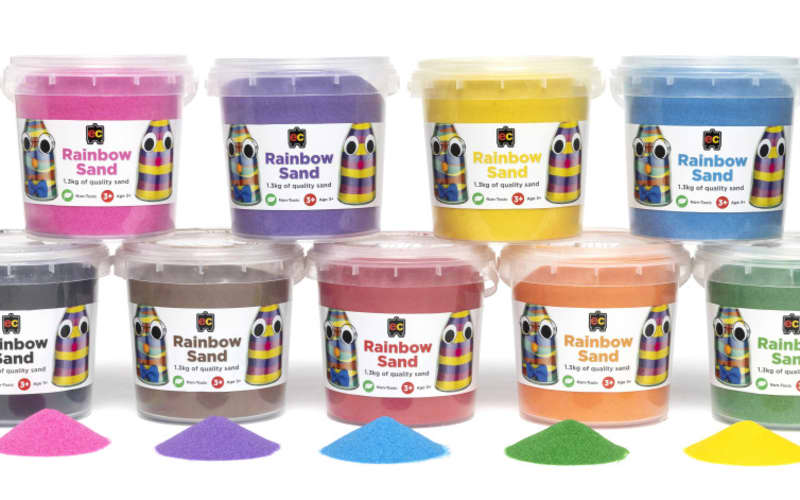
Play Sand Asbestos Scare Exposes a Safety Failure
The play sand asbestos scare is not just another product recall story. It is a blunt reminder that the most ordinary items in homes, classrooms, and day care centers can become public health flashpoints when supply chains and safety checks are too thin. Parents expect a bag of children’s sand to be boring, inert, and safe. Instead, the discovery of possible asbestos contamination has sent regulators, retailers, and manufacturers into damage-control mode. The real problem is bigger than one product line. It is the confidence gap between what companies say they verified and what independent testing can actually prove. If supplier assessments are the main line of defense, then this case raises an uncomfortable question: what exactly are they defending against?
- Asbestos concerns in play sand highlight a broader product-safety breakdown, not just a single bad batch.
- Supplier assessments are only as strong as the testing, oversight, and transparency behind them.
- Parents and schools need faster recalls, clearer labeling, and better traceability.
- The episode could push Australia and New Zealand toward stricter import and retail safeguards.
Why the play sand asbestos scare matters now
At first glance, play sand sounds low-risk. It is a commodity product, often sourced through layered global supply chains and sold under brands that rarely advertise their origins. That is exactly why this incident matters. Consumer trust depends on the assumption that ordinary products have been screened for dangerous contaminants before they reach children’s hands. When that assumption breaks, the fallout spreads fast: anxious parents, overwhelmed retailers, and regulators forced to explain how a product that should never raise alarm ended up under scrutiny.
The bigger issue is not just contamination. It is the fragility of the modern assurance model. Many companies rely heavily on supplier declarations, sample testing, and paperwork trails. Those tools are useful, but they can also create a false sense of security if they are not backed by independent verification and real-time oversight. For products used by children, the margin for error should be close to zero.
“A safety system built mostly on trust is not a safety system. It is a liability with branding.”
How supplier assessments can fail
Supplier assessments are supposed to filter out risk before products hit shelves. In theory, they review source materials, manufacturing processes, documentation, and lab results. In practice, the quality of those assessments can vary wildly. A strong program includes chain-of-custody checks, risk-based sampling, third-party lab testing, and clear escalation rules. A weak one leans too hard on certificates and assumptions.
Paperwork is not proof
One of the most common failures in commodity sourcing is the gap between what is documented and what is actually shipped. A supplier may provide a clean compliance file while upstream inputs change without warning. Different quarry sites, different intermediaries, and different handling conditions can all alter the contamination profile. If the assessment process does not account for that variability, it becomes a snapshot rather than a safety net.
Testing can miss the wrong thing
Even lab testing has limits. If samples are too small, taken from the wrong part of a shipment, or not refreshed as supply sources change, contaminants can slip through. That is especially concerning with asbestos, where detection depends on method, sampling discipline, and the specifics of the material being tested. A certificate from months earlier does not guarantee the next shipment is equally clean.
Speed creates blind spots
Retailers and importers often want fast product turnover. That pressure can compress review timelines and encourage box-ticking behavior. When speed outruns diligence, the result is a safety process that looks rigorous on paper but fails under real-world conditions. For child-facing products, that is not a tolerable tradeoff.
What parents and schools should do right now
If you have play sand at home, the immediate response should be practical, not panicked. Do not let children continue using the product until you have checked whether it is part of any recall or safety notice. If there is any chance the sand is implicated, isolate it, seal it, and follow disposal or return instructions from the seller or regulator. Avoid sweeping or vacuuming suspect material unless guidance specifically says it is safe to do so, because disturbed dust can increase exposure risk.
- Check the brand, batch number, and purchase date.
- Review retailer notices and official recall alerts.
- Store suspect material in a sealed container or bag.
- Keep children and pets away until the product is cleared.
- Contact the retailer for return, refund, or disposal instructions.
Schools and childcare centers should go further. They should audit all sandbox and sensory materials, document lot numbers where possible, and create a rapid-response checklist for suspected contamination events. If a facility cannot identify the source or batch of a product, it should treat the material as unverified until proven otherwise. That may sound cautious, but caution is exactly what parents expect from child-safe environments.
Why Australia and New Zealand may need a tougher model
This incident points to a larger regulatory question for Australia and New Zealand: are current controls built for modern supply chains? The answer is increasingly no. Imported consumer goods often pass through multiple hands before landing in stores, and each hand-off creates a chance for errors, substitutions, or contaminated inputs. If regulators rely too heavily on post-market detection, then the public is effectively being asked to serve as the final inspection layer.
That is a bad design. Stronger systems would require more than supplier self-reporting. They would push for:
- Risk-based import screening for child-facing products
- Independent third-party testing for higher-risk materials
- Clear batch-level traceability from source to shelf
- Faster, standardized recall notifications
- Better disclosure of testing methods and failure thresholds
None of that is radical. It is the minimum expected in categories where exposure can affect children. The lesson is simple: if the product is meant for play, the oversight should be serious enough to remove guesswork.
The business cost of weak assurance
For manufacturers and retailers, the financial damage from a contamination scare can dwarf the cost of stronger quality control. A single incident can trigger recalls, lost inventory, legal risk, reputational damage, and long-term consumer distrust. More importantly, these events force brands to spend years rebuilding credibility with shoppers who may never fully return.
There is also a competitive angle. Companies that invest in better traceability, stronger testing, and transparent safety reporting may initially absorb higher costs, but they are building resilience. In a market where consumers are increasingly skeptical of vague safety claims, that resilience becomes a differentiator. The brands that survive scrutiny will be the ones that can show their work.
“The cheapest compliance program is often the most expensive failure waiting to happen.”
What better product safety looks like
A durable fix will not come from one-off assurances or public statements. It requires a system that assumes suppliers can fail and that products can be mislabeled, substituted, or contaminated despite good intentions. That means layered controls, not single points of trust.
Build traceability into the product, not the apology
Every bag of play sand should be traceable to a lot number, testing batch, and source site. That information should be accessible to retailers, regulators, and consumers during a recall. Without traceability, a safety notice becomes guesswork and delays multiply.
Test like the risk is real
Companies should not wait for an incident to upgrade testing methods. For products that can contain mineral contaminants, testing plans should be reviewed by independent specialists and refreshed whenever suppliers or source material changes. If the risk profile changes, the test plan should change with it.
Communicate early, not perfectly
When contamination is suspected, speed matters. Businesses often fear that sharing incomplete information will create confusion, but silence creates worse outcomes. Early warnings, even with limited detail, help families and institutions make safer interim decisions. The key is to pair speed with clarity: what is known, what is not known, and what people should do next.
The bigger lesson for consumer trust
The play sand asbestos scare should be treated as a stress test for the entire consumer safety ecosystem. If a product intended for children can move through retail channels with insufficient assurance, then the issue is not just contamination. It is governance. It is accountability. It is the mismatch between global sourcing complexity and local expectations of safety.
Consumers do not want perfect supply chains. They want competent ones. They want products that are checked by more than a checkbox and protected by more than brand promises. This incident shows how quickly trust can evaporate when those expectations are not met.
For regulators, the path forward is obvious: tighten oversight where the stakes are highest. For businesses, the lesson is equally clear: supplier assessments are necessary, but they are not enough. For parents, the takeaway is uncomfortable but important: ordinary products can still carry extraordinary risk, and vigilance is now part of the shopping routine.
If this scare prompts better testing, stronger recall systems, and real transparency, it will have done more than expose a failure. It will have forced the market to grow up.
The information provided in this article is for general informational purposes only. While we strive for accuracy, we make no guarantees about the completeness or reliability of the content. Always verify important information through official or multiple sources before making decisions.