Portland Soap Box Derby Revives a DIY Racing Classic
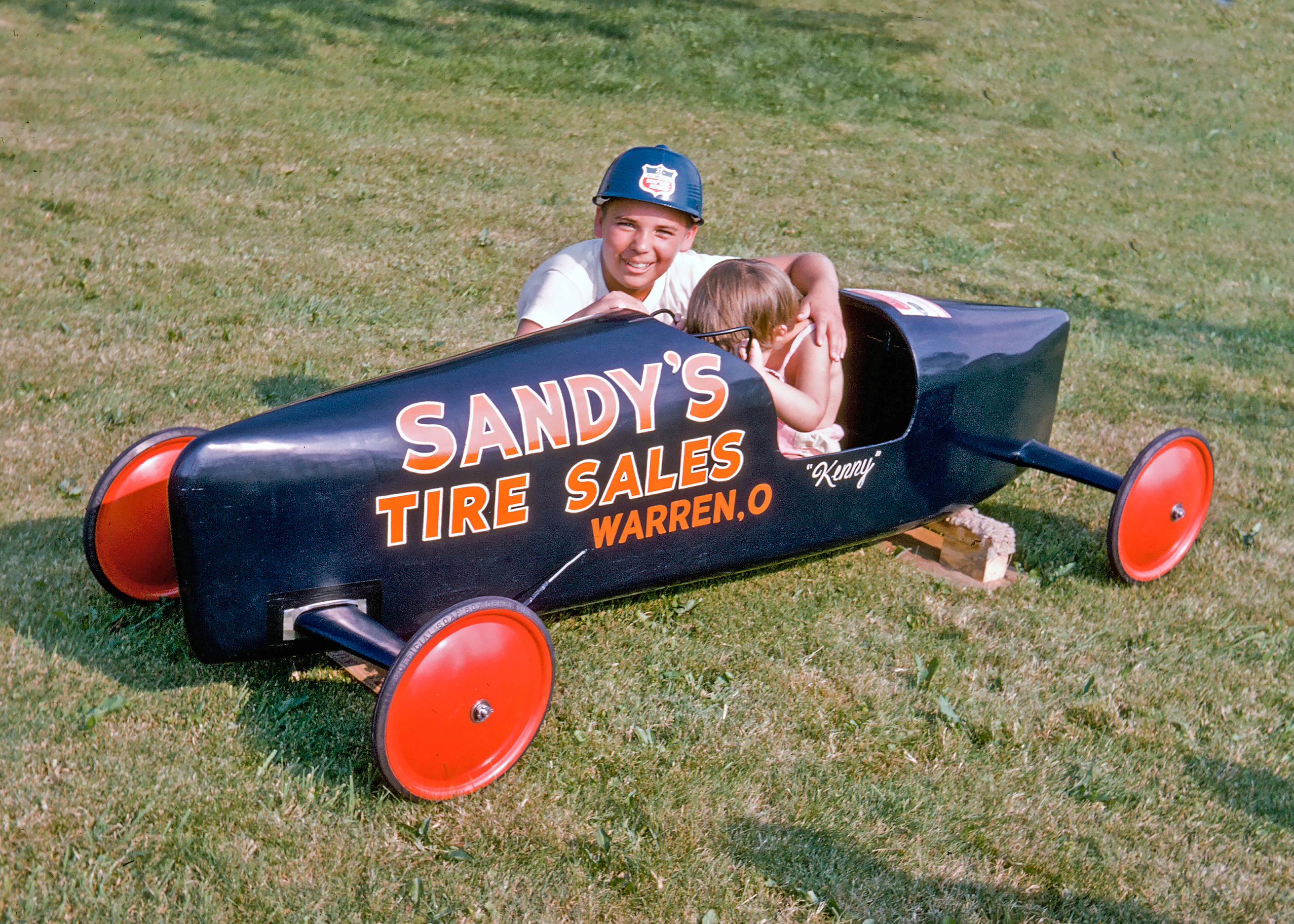
Portland Soap Box Derby Revives a DIY Racing Classic
Portland’s soap box derby is a reminder that not every meaningful innovation arrives through an app, a subscription, or a venture-backed platform. Sometimes it rolls downhill on plywood, wheels, and pure nerve. In a culture obsessed with frictionless entertainment, the soap box derby delivers the opposite: sweat, iteration, and the kind of hands-on competition that forces kids and adults to think like builders, not just consumers. That matters right now. Families are looking for activities that feel real, physical, and collaborative, while educators and local communities are searching for ways to keep STEM from becoming an abstract buzzword. A derby is a race, sure. But it is also a workshop, a test track, and a low-cost argument for making things again.
- The soap box derby blends racing, engineering, and family participation.
- Portland’s event highlights the value of hands-on STEM learning.
- DIY competitions are resurging as alternatives to passive digital entertainment.
- Simple design choices can meaningfully affect speed, safety, and control.
- The derby model offers a blueprint for local, community-driven innovation.
Why the soap box derby still matters
The soap box derby has always had an old-school charm, but dismissing it as mere nostalgia misses the point. At its core, this is a compact engineering challenge wrapped in a family sport. Participants must balance weight, aerodynamics, wheel alignment, steering, and gravity itself. That makes the event surprisingly modern. It rewards systems thinking, not just enthusiasm. It also gives kids a rare chance to see how small decisions produce measurable results, which is exactly what good STEM education is supposed to do.
There is a broader cultural reason the derby resonates now. More families are skeptical of screen-heavy recreation, and communities are rediscovering the appeal of local events that are affordable, social, and tactile. A derby does not require a massive production budget or a digital platform to feel meaningful. It needs a hill, a few rules, and a lot of tinkering. That low barrier to entry is the point.
Inside the build process
What makes a soap box derby compelling is not just race day. It is the build. The car is the story long before it reaches the starting line. Teams usually begin with a simple chassis, then refine the shape and setup through repeated adjustments. This is where the event becomes a practical classroom.
Design choices that change everything
Even a modest change in wheel alignment can alter how efficiently a car tracks downhill. Slight drag from poor alignment can cost speed, while overly aggressive steering can make the ride unstable. The same goes for mass distribution. Put too much weight in the wrong place and the car may feel sluggish or harder to control. Get it right, and the vehicle becomes a clean expression of gravity and momentum.
Builders also have to think about friction. Smooth rolling surfaces, well-mounted wheels, and careful maintenance all reduce energy loss. That is the beauty of a soap box derby: it makes invisible physics visible. Kids do not just hear about concepts like force and drag. They watch them happen in real time.
“The best part of a local derby is that it turns engineering into something social. You can see the design, hear the excitement, and measure the result immediately.”
Safety is part of the engineering
Any serious derby also depends on restraint. Speed is fun, but control is non-negotiable. Builders must work within event rules, and those rules exist for a reason: to keep drivers safe while preserving the competitive edge. That emphasis on safe design is a valuable lesson in itself. Real-world engineering rarely rewards the most extreme solution. It rewards the one that performs reliably under pressure.
For young racers, that is a powerful message. Innovation is not just about making something faster. It is about making something trustworthy enough to use again and again.
Portland’s local energy is the real engine
Portland has long had a reputation for DIY culture, maker energy, and civic events that blur the line between hobby and identity. A soap box derby fits neatly into that ecosystem. It is community-first, low-tech, and easy to understand, but it still offers enough technical depth to keep ambitious builders engaged. That mix is rare.
The city’s version of the race also reflects something bigger about local competition. When a neighborhood event feels authentic, people show up not just to win but to belong. Parents help with sanding and assembly. Kids learn patience while waiting for a repair. Volunteers become part of the machine. That collective effort turns the derby into a civic ritual, not just a race.
Why this format works so well
The derby succeeds because it respects attention spans without flattening the experience. It has a clear objective, visible stakes, and immediate feedback. That makes it accessible to casual spectators and deeply rewarding for participants. It also scales gracefully: one family can build a car in a garage, while a more competitive team can treat it like a precision project.
This flexibility matters in an era when many youth activities have become expensive, specialized, and gatekept. A soap box derby keeps the threshold low while leaving room for excellence. That is a rare and healthy combination.
The strategic lesson for schools and communities
The most interesting thing about the soap box derby may be what it can teach outside the race itself. Schools looking for better STEM engagement often struggle to make abstract concepts feel urgent. A derby changes that by tying lessons to a concrete goal. Measure, build, test, fail, revise, repeat. That is the engineering loop in its purest form.
For community organizers, the derby is also a template. It is relatively inexpensive, highly photogenic, and easy to localize. It can bring together sponsors, volunteers, educators, and families without demanding a year-round infrastructure. That makes it especially useful for cities trying to create events that are both memorable and manageable.
- For educators: Use the derby to connect physics, design, and teamwork.
- For parents: Treat the build as a shared project, not just a pre-race chore.
- For organizers: Keep rules simple, visible, and safety-first.
- For participants: Focus on small improvements instead of overengineering the first draft.
Pro tips for building a better racer
If you are approaching a soap box derby with a competitive mindset, the smartest move is to think like an engineer before you think like a racer. Start with the basics and optimize the fundamentals before chasing flashy tweaks.
Here is a simple build checklist:
Check wheel alignmentbefore every test run.Inspect axle mountingfor looseness or uneven wear.Balance weight distributionso the car tracks predictably.Sand rough edgesto reduce unnecessary drag.Test in small incrementsand document what changes improve performance.
That last step is especially important. The best builders do not guess. They test. A notebook, a few timed runs, and a willingness to undo bad assumptions can beat a purely aesthetic design almost every time. In other words: form matters, but data wins.
What the derby says about the future of play
There is a reason hands-on events keep coming back into favor. People are increasingly aware that digital convenience can crowd out real competence. A derby pushes back on that. It says that learning can be messy, local, and physical. It says that competition can be friendly, not cutthroat. It says that a child can understand momentum better after one hill than after a week of passive instruction.
That makes the Portland soap box derby feel bigger than a weekend pastime. It is part of a broader shift toward experiential learning and community-based recreation. The future of play may not be entirely analog, but it almost certainly has room for more events like this: affordable, teachable, and rooted in real-world problem solving.
And maybe that is the quiet genius of the format. It does not pretend to be futuristic. It does not need to. In a noisy era full of polished tech promises, a homemade racer heading downhill has a refreshing kind of credibility. It is built, not claimed. It is tested, not marketed. And when it crosses the finish line, everyone can see exactly why it won.
The information provided in this article is for general informational purposes only. While we strive for accuracy, we make no guarantees about the completeness or reliability of the content. Always verify important information through official or multiple sources before making decisions.