Portugal Survive Ronaldo Misses in Warmup Win
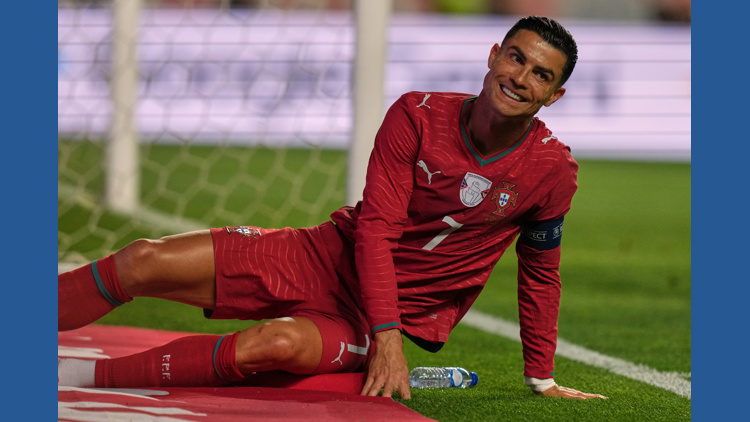
Portugal Survive Ronaldo Misses in Warmup Win
Portugal got the result they wanted, but the performance carried a warning label. A win over Nigeria in a World Cup warmup should have been a clean confidence boost. Instead, it became another reminder that Cristiano Ronaldo can still shape a match and still leave it feeling unresolved. The chances were there. The finish was not. For a team trying to sharpen its attack before the pressure spikes, that matters. For a squad still balancing legacy, expectations, and transition, it matters even more. The headline is simple: Portugal won. The more interesting story is whether they can afford this many missed moments when the tournament starts and margins shrink to almost nothing.
- Portugal beat Nigeria, but the attacking display left room for concern.
- Ronaldo missed big chances, renewing debate about his role and sharpness.
- Warmup matches are less about style points and more about timing, rhythm, and repeatable patterns.
- Portugal’s depth remains a strength, but finishing under pressure is still the real test.
Ronaldo Misses Put Portugal’s Attack Under the Microscope
Portugal’s World Cup warmup win should have been a straightforward morale builder. Instead, the missed chances by Ronaldo turned it into a diagnostic session. That is the downside of carrying one of the most scrutinized players in modern football: every touch becomes a verdict. Ronaldo still occupies defenders, still creates panic, and still commands the kind of attention that bends a back line. But when the clearest opportunities go begging, the conversation shifts from star power to efficiency.
That shift is not trivial. Tournament football rarely rewards teams that rely on momentum alone. It rewards repeatable attacking patterns, disciplined movement, and ruthless finishing. Portugal had pieces of all three against Nigeria, but not enough of the last one. The message from a warmup like this is not that Portugal are broken. It is that they are not yet fully calibrated.
Warmup games do not need perfection. They do need clarity. Portugal got a result, but the final third still looked like a place where decisions were arriving a fraction too late.
What the Win Reveals About Portugal’s World Cup Warmup
A Portugal victory over Nigeria matters because it shows the team can still impose itself physically and territorially. But the bigger takeaway is tactical: warmup matches are often rehearsal spaces for the final version of a squad. Coaches use them to test combinations, re-check pressing triggers, and see which attackers can convert half-chances into goals. Portugal’s win says the structure is present. The sharpness is not guaranteed.
Why the final third still looks unsettled
Portugal have long been defined by attacking quality, but international football is unforgiving when a team becomes too dependent on isolated brilliance. Against Nigeria, the team’s build-up likely offered enough to create opportunities, yet the finishing phase did not fully reward the movement ahead of it. That can happen for several reasons: timing between midfield and forwards, poor first touches under pressure, or simply the randomness that lives inside small sample sizes.
Still, the concern is valid. If Ronaldo is the player on the end of the best chances, and he is not converting them, Portugal must know where the next layer of goal threat comes from. That question becomes more urgent in knockout football, where the opponent is less forgiving and the scoreboard matters more than the performance graph.
Ronaldo’s Role Still Shapes the Narrative
It is impossible to separate Portugal’s attack from Ronaldo’s presence. Even in a phase of his career where he is no longer the same relentless, all-angles forward he once was, he remains a gravitational force. Defenders react to him. Midfielders look for him. Supporters measure everything against him. That influence can be an asset, but it can also distort the team if it becomes the only reliable reference point.
The missed chances against Nigeria will feed the familiar debate: how much should Portugal build around Ronaldo, and how much should they treat him as one weapon among several? The answer is probably both. In a World Cup warmup, the point is not to retire the legend. It is to understand how to maximize him without freezing the rest of the attack.
Portugal do not need Ronaldo to be 25 again. They need him to be decisive at the right moments, while the rest of the team carries more of the creation burden.
Experience still matters, but so does timing
Veteran attackers often survive on anticipation as much as speed. They arrive early, read the angle, and convert chances before the defense resets. When that timing slips even slightly, the misses become louder because the windows are narrower. That is especially true in international tournaments, where service may come less often and the quality of chance creation can vary wildly from one opponent to the next.
For Portugal, the lesson is not to panic. It is to keep asking whether the team can generate a second wave of threat if the first one does not land. That is the difference between a dangerous side and a truly complete one.
Why This Match Matters Beyond the Scoreline
Pre-tournament friendlies often get treated like throwaway content, but smart teams use them as stress tests. Portugal’s result against Nigeria matters because it exposes the gap between winning and convincing. The scoreboard can hide problems in transition speed, chance conversion, and decision-making under pressure. The match also offers a glimpse into how Portugal might perform when the game slows down and the opponent has enough structure to survive long spells without the ball.
That is where tournament campaigns are usually decided. Not by fireworks, but by whether a team can keep producing usable chances when the rhythm breaks. Portugal’s attack has enough talent to remain dangerous. The question is whether the system can make that danger sustainable rather than sporadic.
Three tactical questions Portugal must answer
- Can they create enough high-quality chances without forcing the ball into Ronaldo every time?
- Can the midfield provide cleaner, earlier service into the box?
- Can the team maintain composure if the first finishing opportunity is missed?
The Bigger Tournament Implication
Every World Cup warmup win is supposed to build confidence, but the best ones also reveal flaws before the spotlight gets harsher. Portugal may prefer the victory over a flattering but meaningless display. That is fair. Coaches generally would rather fix problems after a win than after a collapse. But the concern here is not cosmetic. It goes to the heart of tournament viability: can Portugal turn territory into goals often enough to matter?
If the answer is yes, then Ronaldo’s misses fade into the noise of preseason tune-ups. If the answer is no, then those missed chances will look like the first obvious clue that Portugal’s attack is less automatic than advertised. The difference between those two interpretations may not show up against Nigeria. It will show up when the margin gets thinner and the opponent gets meaner.
Portugal’s Real Test Starts When the Warmups End
The most useful thing about this match is that it strips away illusions. Portugal are not being judged on effort or pedigree. They are being judged on execution. Ronaldo remains central to that judgment, for better or worse. His misses do not erase his influence, but they do force a more honest appraisal of how this team functions when the chances are real and the stakes are rising.
Portugal can take confidence from the win. They should also take notes from the missed opportunities. That combination – result plus critique – is exactly what a good World Cup warmup is supposed to deliver. If Portugal absorb the lesson, the Nigeria match becomes useful. If they ignore it, the same missed chances could become the kind of storyline that follows them deep into the tournament.
For now, the verdict is straightforward: Portugal have enough quality to win. They still need more certainty to convince.
The information provided in this article is for general informational purposes only. While we strive for accuracy, we make no guarantees about the completeness or reliability of the content. Always verify important information through official or multiple sources before making decisions.


