Protesters Target Hyundai Before Mexico Game
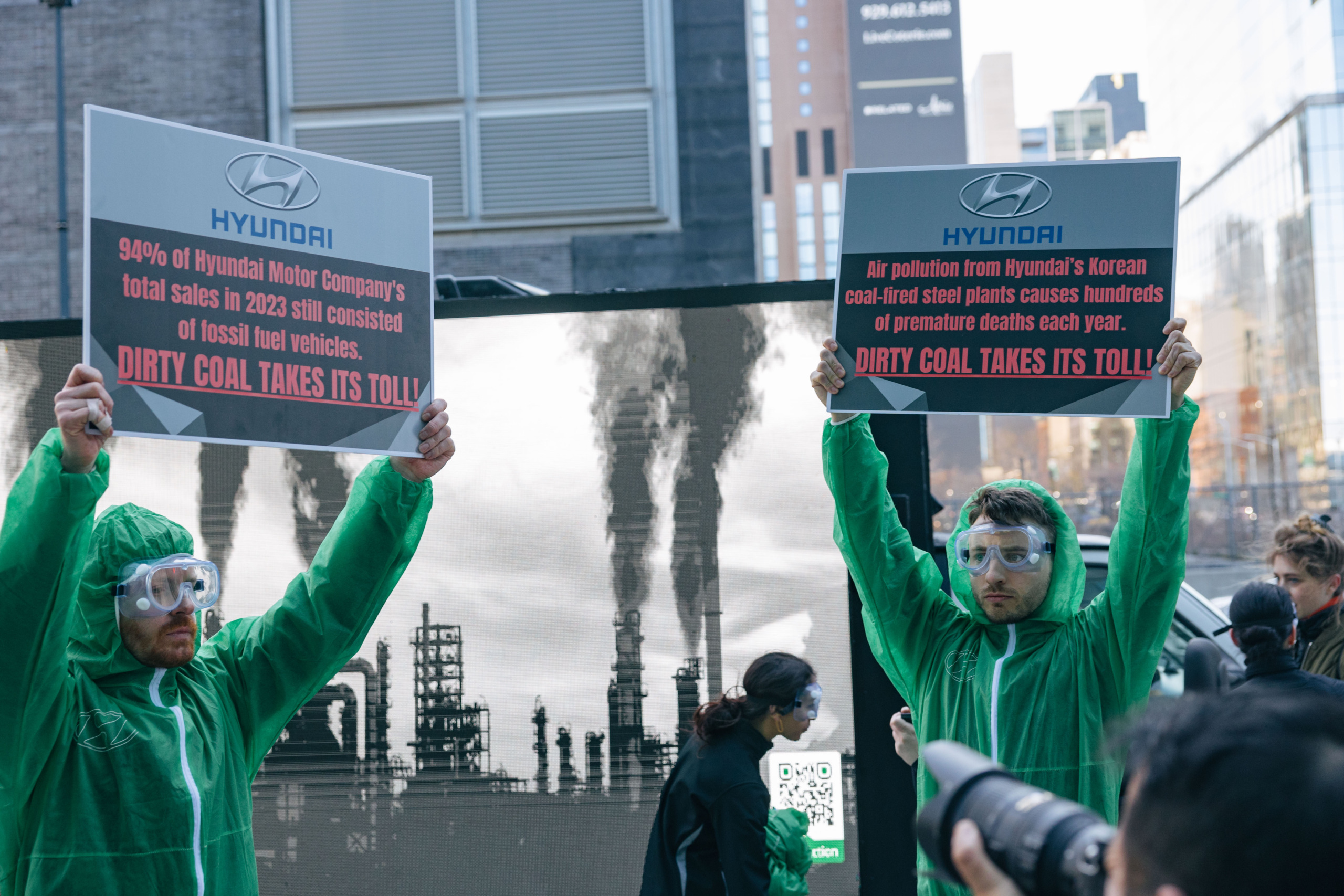
Protesters Target Hyundai Before Mexico Game
World Cup sponsor Hyundai is about to learn a hard truth about modern sports marketing: visibility cuts both ways. What was supposed to be a global branding win is becoming a reputational stress test, as protesters prepare to rally before Mexico’s game and turn a corporate logo into a political target. For sponsors, this is the nightmare scenario – millions spent for premium placement, only to have the conversation shift from football to accountability. For the tournament, it is another reminder that global events no longer exist in a vacuum. Every brand on the pitch is now part of a larger debate about labor, ethics, power, and public pressure.
- Protesters are targeting
Hyundaibecause sponsorships now carry political baggage, not just marketing value. - The planned rally shows how major sports events can become flashpoints for activism and brand risk.
- For sponsors, the lesson is clear: audience reach without trust can become a liability.
- The incident underscores why World Cup partnerships are increasingly judged on ethics as much as exposure.
Why this protest matters now
This is not just another pre-match demonstration. It is a high-profile reminder that the economics of modern sport are fragile, and that sponsor backlash can spread faster than any ad campaign. The timing matters: a rally before a Mexico game guarantees attention, camera angles, and social media amplification. That makes the protest a strategic strike, not a random act of dissent.
For Hyundai, the issue is larger than one match. Global sponsors buy into the promise of association – with national pride, international unity, and peak cultural relevance. But that promise has a catch. When audiences perceive a sponsor as symbolically connected to contested policies or practices, the brand becomes part of the story whether it wants to be or not.
The new reality of World Cup sponsorship risk
Sports sponsorship used to be simple: pay for exposure, get exposure. That formula is broken. Today’s fans are more politically alert, more media-savvy, and more willing to pressure brands in public. A World Cup sponsor is not just buying a boardside logo or a TV mention. It is buying a promise of legitimacy in a global arena where legitimacy can be challenged at any moment.
That is why this protest against Hyundai matters beyond football. It reflects a broader shift in how brands are judged. Reputation is no longer built only through product quality or clever ads. It is shaped by values, supply chains, labor practices, and the perception of whether a company belongs at the center of a major cultural moment.
When a sponsor becomes a protest target, the real issue is not visibility – it is vulnerability. The bigger the audience, the smaller the margin for error.
What organizers and brands should be watching
There are two levels of risk here. The first is immediate: disruption around the venue, media coverage that frames the sponsor negatively, and the possibility of images that outlive the match itself. The second is structural: once a sponsor is linked to a protest, every future appearance can be reinterpreted through that lens.
1. Reputation can shift in minutes
Brands often assume that sponsorship creates goodwill by default. It does not. In an age of instant clipping and algorithmic outrage, a single protest sign can travel farther than a billboard campaign. If the rally gains traction, the brand is forced into reactive mode, which is usually the worst possible position.
2. Silence is not always neutral
Companies facing protest often try to stay quiet and hope the story fades. Sometimes that works. Often it does not. Silence can be read as indifference, especially when the criticism touches on ethics or social responsibility. The challenge for Hyundai is whether to respond, and if so, how to do it without sounding defensive or performative.
3. Event partners inherit the controversy
Even if the protest is aimed at one sponsor, tournament organizers, broadcasters, and partner brands can be caught in the crossfire. That is the hidden cost of mega-events: they bundle prestige with exposure to controversy. Once the crowd starts asking hard questions, no logo is entirely safe.
Hyundai and the optics problem
The core issue here is optics. Sponsorship is meant to project confidence, scale, and cultural relevance. But protest turns that optics machine upside down. The same visibility that makes a sponsor valuable can also make it symbolic. And symbols are easy to attack because they stand for something larger than themselves.
That is especially true at a global event like the World Cup, where politics, nationalism, commerce, and identity are already intertwined. A sponsor’s brand promise is no longer just “we support the game.” It becomes “we are comfortable being seen in this contested space.” That is a much harder proposition to control.
For global brands, the real challenge is not sponsoring sports. It is surviving the fact that sports now function like public squares.
How sponsors can reduce backlash
There is no perfect shield against protest. But there are smarter ways to prepare for it. Brands that treat sponsor risk as a communications problem are already behind. It is an operations issue, a policy issue, and a trust issue. The best response blends transparency, scenario planning, and restraint.
- Audit the association: review why the sponsorship exists and what the public may connect it to.
- Build a rapid response plan: define who speaks, what they say, and when they say it.
- Localize the message: avoid generic corporate language that sounds disconnected from the audience.
- Coordinate with event partners: ensure security, media, and spokesperson roles are aligned.
- Prepare for social amplification: assume any protest image will be shared far beyond the stadium.
For brands, the playbook should also include pre-event stakeholder mapping. If there are known criticisms, do not pretend they do not exist. Pretending uncertainty is a strategy is how sponsors end up looking surprised by a predictable backlash.
Why this matters beyond one match
The Hyundai protest is part of a broader escalation in how activists target corporate sponsors. Major sporting events offer something rare: concentrated attention, emotional stakes, and a built-in media megaphone. That makes them ideal pressure points for groups trying to force a public response.
This trend will only grow. As the cost of sports sponsorship rises, so does the expectation that brands will behave like responsible public actors. Consumers increasingly want to know not just who is paying for the ad inventory, but what the company stands for when the cameras are off. In that environment, sponsorship becomes a test of credibility.
For the World Cup ecosystem, this is a warning sign. If protests become routine, the event’s commercial model gets harder to defend. Organizers want sponsors, sponsors want fan enthusiasm, and activists want leverage. Those goals are not always compatible, and the friction is becoming more visible.
The bigger business lesson
The simplest way to read this story is as a football protest. That would be a mistake. It is also a case study in brand exposure, crisis management, and the limits of paid association. The modern sponsor is no longer just a benefactor; it is a participant in a public legitimacy test.
Pro tip: if a sponsorship can be understood only as media inventory, it is probably underpriced in risk. The true cost includes potential backlash, staff time, legal scrutiny, and the possibility of becoming the day’s headline for the wrong reason.
That is the uncomfortable math behind events like this. The more global the stage, the more local the outrage can feel. And the more a brand tries to appear universal, the more it risks being seen as out of touch when the crowd decides otherwise.
What comes next
Expect more brands to face this kind of pressure at major tournaments, especially as activist groups become better at timing, framing, and media capture. The sponsor playbook of the future will not be built around perfect control. It will be built around resilience, clarity, and the ability to respond without sounding like a branding exercise.
For now, the planned rally before the Mexico game is a reminder that the biggest stage in football is also one of the most volatile places for corporate reputation. Hyundai may still get the visibility it paid for. The question is whether that visibility helps the brand – or simply makes it easier to target.
The information provided in this article is for general informational purposes only. While we strive for accuracy, we make no guarantees about the completeness or reliability of the content. Always verify important information through official or multiple sources before making decisions.