Regulators race to tame AI voice cloning
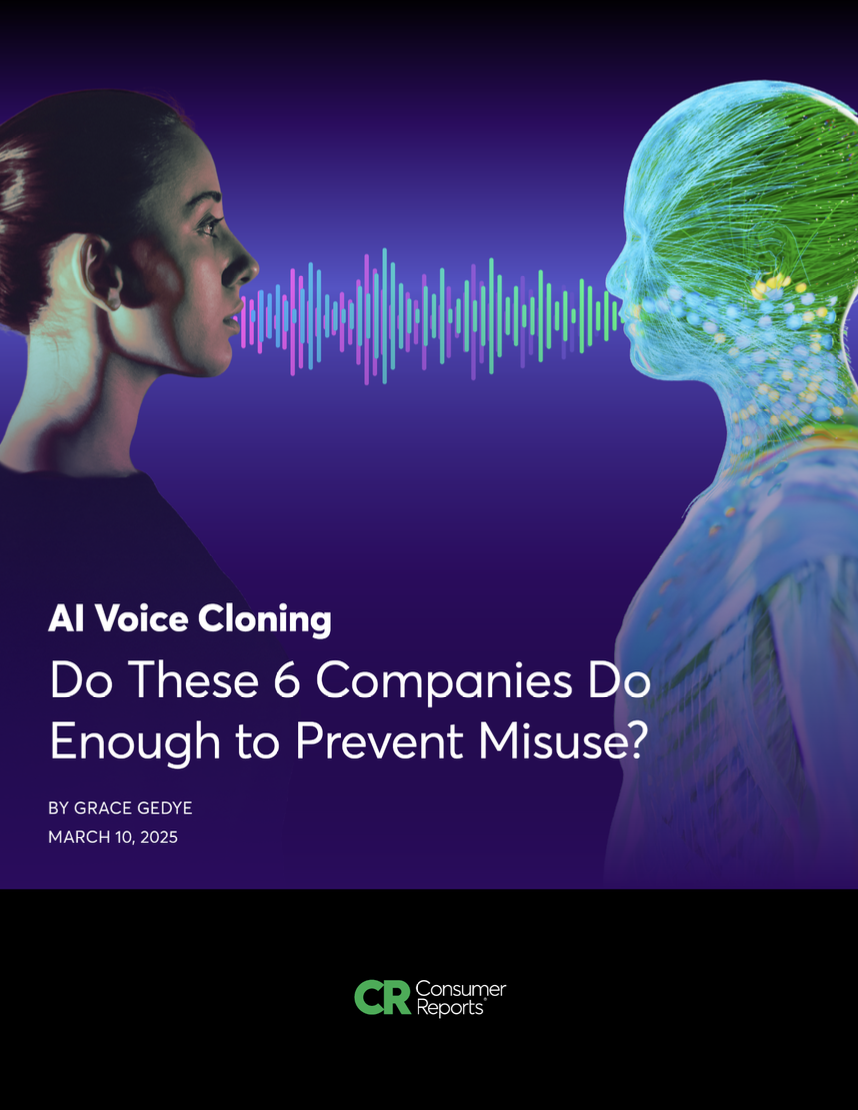
AI voice cloning regulation just went from obscure policy talk to boardroom-level urgency. A BBC investigation into the latest deepfake kidnapping scam showed how a cheap LLM and a few seconds of audio can mimic a CEO well enough to trigger a seven-figure transfer. Banks, telecom carriers, and government hotlines are already fielding calls they cannot confidently verify. The risk is existential for trust-heavy industries: every inbound voice could be a bot, every caller ID could be spoofed. Regulators are scrambling to sketch rules while the fraud curve is rising exponentially. This analysis dissects the stakes, the technical bottlenecks, and the moves that should land before the next breach lands on your doorstep.
- Scammers are weaponizing consumer-grade
LLMtools to clone voices and bypass trust in seconds. - Patchwork policy is emerging, but enforcement hinges on telecom upgrades and proof-of-origin standards.
- Proactive controls – from
STIR/SHAKENto biometric liveness tests – are cheaper than crisis cleanups. - Enterprises that redesign call-center playbooks around zero trust will outperform compliance-only rivals.
AI voice cloning regulation: why officials are rushing
The current wave of fraud is not science fiction. Criminals stitch together scraped audio, run it through an off-the-shelf text-to-speech model, and push it over VoIP routes that still trust legacy caller ID. Law enforcement is stuck because most scams hop borders before the first ticket is filed. Regulators are reacting with emergency advisories, but the real urgency is the breakneck drop in cost. A decade ago, creating a believable fake voice required a research lab. Now, a mid-range laptop, a public API, and a short clip from social media are enough. The compliance window is shrinking as consumer confidence erodes, and that is why policymakers are shifting from awareness campaigns to technical mandates.
From celebrity hoaxes to bank breaches
The early headlines were prank calls that mimicked pop stars. The next phase has been brutal: cloned voices used to coerce parents into wiring ransom payments, or to order finance teams to move cash under time pressure. One bank in Hong Kong admitted a multimillion-dollar loss after staff trusted a voice on a video call. Each case highlights the same Achilles heel – audio is persuasive, and humans over-trust voices that sound familiar. The playbook is simple and repeatable, which is why it scales. Criminals do not even need perfect fidelity; they only need to hit emotional triggers faster than the victim can verify. Every incident shaves a little more trust off the phone channel, raising the stakes for both regulators and brands that rely on it.
Voice has become the new phishing surface. Every organization must assume that any call, no matter how polished, could be synthetic until proven otherwise.
Weak links: telcos and legacy caller ID
The telecom stack was built for openness. Caller ID was never designed to authenticate the person speaking, only the number being presented. That is why spoofing remains trivial. Standards like STIR/SHAKEN can cryptographically assert a call’s origin, yet deployment is uneven outside North America. Meanwhile, many carriers still interconnect through SS7 routes that predate modern security. Without carrier-level attestation, downstream enterprises are stuck improvising. They bolt on knowledge-based authentication, but attackers use data leaks to answer those questions too. The gap between what the network verifies and what the user hears is the entry point for deepfake audio. Until the telecom core treats identity as a first-class feature, any regulation will be fighting with one hand tied.
AI voice cloning regulation: policy moves and the gaps they ignore
Governments are lining up rulebooks. The US Federal Communications Commission is moving to classify AI-generated robocalls as illegal. The EU’s AI Act includes risk tiers that could force disclosure and record keeping for voice synthesis providers. Several Asian regulators are drafting sandbox rules for biometric consent. Yet most frameworks focus on consent notices and labeling, not on the plumbing that would let auditors trace a fake back to the source. Enforcement without instrumentation is performative. That leaves a vacuum for industry groups to define the operational signals regulators will actually test for when the subpoenas land.
Bans versus guardrails
Blanket bans on AI voice calls sound decisive but miss legitimate uses like accessibility and customer support. Smart regulation sets thresholds: proof of human opt-in, auditable logs, and rate limits tied to verified business identities. Mandating that voice synthesis providers watermark output audio would create a compliance lane without nuking innovation. Carriers could require watermark checks before routing high-risk traffic. Those are guardrails, not shutdowns. Regulators should also target the economics: stiff penalties on carriers that ignore STIR/SHAKEN attestation, and safe-harbor protections for companies that deploy reasonable detection. The goal is to raise the cost of abuse without freezing progress.
Data provenance as the missing infrastructure
Every regulator loves the idea of provenance, yet few are investing in it. Audio watermarks, signed call headers, and chain-of-custody logs could create a reliable trail. But interoperability is messy. A watermark generated by one vendor must survive compression, transcoding, and background noise to be useful. Call logs must align across carriers and enterprise CRM systems. That is why open standards matter. A shared spec for metadata fields, retention windows, and proof-of-origin tokens would let investigators join the dots instead of juggling proprietary dashboards. Until that fabric exists, most policy will remain toothless.
Tech stack fixes that should ship now
Regulation is slow; threat actors are not. Enterprises can close gaps today by hardening their voice channels. Start with layered verification. Pair caller ID attestation with in-call liveness tests that ask for actions a bot cannot mimic, like randomized prompts. Integrate voice-biometrics with fallback to multi-factor challenges that do not rely on the same channel. Build clear escalation paths so staff know when to pause a transaction and switch to a secondary channel. The operational overhead is modest compared with the reputational blast radius of a fake CEO command.
- Adopt
STIR/SHAKENwhere available and pressure carriers that lag adoption. - Embed
risk scoringinto call workflows so high-value requests trigger extra checks. - Train frontline teams with live-fire simulations that include synthetic audio, not just email phish.
Practical workflow to detect fakes
A simple detection loop can be built with existing tools. Ingest the WAV or MP3 stream, run it through a spectral consistency model to flag synthesis artifacts, and cross-reference with known speaker embeddings. If the score crosses a threshold, reroute the call to a human verifier and trigger MFA on a separate channel. Log the session hash and store it with a timestamp to build an audit trail. This is not bulletproof, but it raises friction for attackers and creates data that compliance teams can hand to regulators.
The winning move is not perfect detection; it is closing the time gap between first suspicion and decisive action so money cannot move before verification.
What it means for startups and enterprises
Procurement meets security
For startups selling AI voice services, compliance posture will become a sales blocker or a differentiator. Expect procurement teams to demand attestation of watermarking, retention policies, and integration with SIEM tools. Enterprises should fold voice security into their zero-trust roadmaps, budgeting for monitoring, staff training, and legal review. The board will not accept ignorance as a defense after the first synthetic voice breach hits earnings.
Future implications: synthetic media arms race
Defenders and attackers are iterating in parallel. As detectors improve, models will learn to evade them. That means the only sustainable strategy is layered defenses anchored in policy, telecom infrastructure, and human process. Companies that treat AI voice cloning regulation as a compliance checkbox will chase every new exploit. Those that build verifiable identity into their communications stack will turn regulation into competitive advantage. The phone channel can be saved, but only if industry moves faster than the next viral scam.
The information provided in this article is for general informational purposes only. While we strive for accuracy, we make no guarantees about the completeness or reliability of the content. Always verify important information through official or multiple sources before making decisions.