Restaurant Moments Rule Dining Now
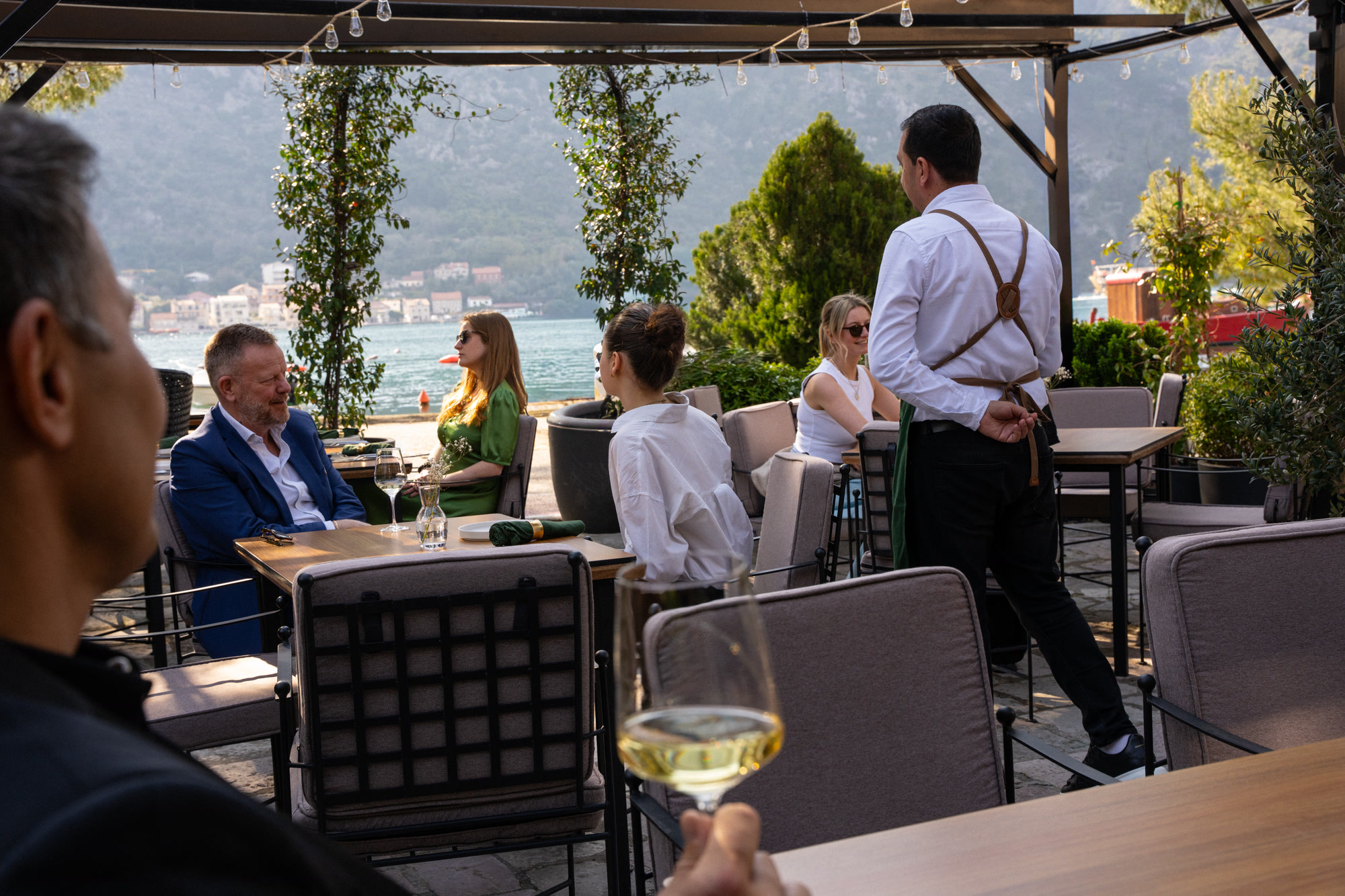
Restaurant Moments Rule Dining Now
The most valuable thing a restaurant can serve right now is not a perfect plate of pasta or a technically flawless tasting menu. It is a story the diner wants to repeat. Restaurant moments have become the new currency of hospitality, especially as guests face higher prices, tighter reservations, and endless sameness on social feeds. Diners are not only asking whether the food was good. They are asking whether the night felt alive, personal, surprising, and worth leaving the house for. That shift should make every operator pay attention. When groceries, delivery, and home cooking compete with restaurants on convenience, the dining room has to compete on emotion. The winners are building scenes, rituals, gestures, and tiny flashes of theater that turn a meal into a memory.
- Restaurant moments are now a strategic advantage, not a soft bonus.
- Guests increasingly value surprise, personalization, and atmosphere as much as food quality.
- Technology can support hospitality, but it cannot replace human timing and intuition.
- The best restaurants design memorable experiences without making them feel scripted.
Why Restaurant Moments Matter More Than Ever
The dining economy is under pressure. Labor is expensive, ingredients are volatile, rents are punishing, and consumers are more selective. A merely competent restaurant can feel interchangeable when every city has the same open kitchen, the same small plates, the same moody lighting, and the same viral dessert. That is why restaurant moments matter. They create distinction in a market where menus can be copied and aesthetics can be replicated overnight.
A moment might be a server remembering that you hated cilantro last time. It might be a chef sending out a bite because the kitchen noticed you were celebrating quietly. It might be a room erupting when a cart rolls through with something dramatic and unnecessary, but delightful. These details do not always show up in the food cost spreadsheet, yet they often determine whether a guest comes back.
The modern restaurant is not just competing with other restaurants. It is competing with the couch, the algorithm, and the diner’s memory of the last time they felt genuinely seen.
Restaurant Moments Are Hospitality’s New Product
For decades, restaurants sold food and service. Now the strongest ones sell a layered product: food, service, atmosphere, identity, and shareable memory. That does not mean every dining room needs to become a stage set. It means operators need to understand that experience design is no longer optional.
The smartest restaurants build moments into the flow of the night. They know when to interrupt and when to disappear. They understand pacing, tension, and payoff. A welcome drink can reset a guest’s mood. A handwritten note can turn a transaction into a relationship. A tableside finish can make a simple dish feel ceremonial. None of this requires gimmickry. It requires intention.
The Difference Between a Moment and a Gimmick
A gimmick demands attention. A moment earns it. The difference is emotional relevance. If a server performs a canned speech at every table, guests feel processed. If that same server reads the table and offers a detail that fits the occasion, guests feel recognized.
Restaurants get into trouble when they confuse virality with value. A flaming dish may look good on a phone, but if it slows service, overwhelms flavor, or makes the room feel desperate for attention, it becomes theater without hospitality. The best moments are integrated. They make the meal feel more human, not more engineered.
How Technology Is Reshaping Restaurant Moments
Technology sits awkwardly in this conversation. On one hand, reservation apps, customer relationship management systems, point-of-sale data, and waitlist software can help restaurants remember preferences and reduce friction. On the other hand, too much automation can make hospitality feel cold, optimized, and transactional.
The opportunity is not to replace the human touch. It is to give teams better context. A strong CRM note can remind a host that a guest prefers a corner table. A well-managed reservation system can prevent brutal pacing problems that sabotage service. A thoughtful point-of-sale setup can help servers identify repeat guests, dietary needs, or favorite bottles.
Pro Tip: The best use of restaurant technology is invisible to the guest. If the diner notices the software more than the hospitality, the system is getting in the way.
The Data Problem in Hospitality
Restaurants should be careful with data. Remembering a guest’s anniversary is charming. Over-referencing past behavior can feel creepy. The line is thinner than operators think. Hospitality depends on discretion, and the most talented teams know how to use information lightly.
A good note in a guest profile should serve the experience, not turn the diner into a file. The goal is not surveillance. The goal is continuity. A guest wants to feel remembered, not monitored.
Restaurant Moments Reward Skilled Labor
One underrated truth about memorable dining is that it depends on people who know how to read a room. That skill is hard to automate and harder to teach. Great servers, hosts, bartenders, bussers, and managers are constantly processing signals: tone, pace, posture, mood, urgency, celebration, conflict, fatigue.
This is why cutting labor too aggressively can damage a restaurant in ways that are not immediately obvious. A thinner team may still move plates, but it has less bandwidth for generosity. It has less time to notice the birthday that was not announced, the guest who is overwhelmed by the wine list, or the couple whose evening is quietly going sideways.
Memorable hospitality often happens in the margins: the extra thirty seconds, the noticed detail, the decision to do something kind before anyone asks.
Operators who want more memorable restaurants need to invest in training and culture. Staff should be empowered to create small moments without waiting for a manager’s approval every time. That might mean comping a dessert, adjusting pacing, replacing a dish without drama, or acknowledging a regular in a way that feels natural.
The Business Case for Restaurant Moments
There is a practical reason this matters: memories drive loyalty. A guest may forget the exact sauce on a fish dish, but they will remember how the room made them feel. They will remember the server who handled a mistake gracefully. They will remember the unexpected bite, the perfect song, the joke at the bar, or the way the team made a Tuesday feel like an occasion.
That memory becomes marketing. It creates word-of-mouth, repeat visits, and social sharing that feels organic rather than forced. In a market where paid attention is expensive, earned affection is powerful.
- Higher repeat visits: Guests return to places that recognize them and reliably create emotional payoff.
- Stronger pricing power: Diners tolerate premium prices when the experience feels distinctive.
- Better resilience: Restaurants with loyal communities are less vulnerable to trend fatigue.
- More staff pride: Teams tend to stay longer when they are part of a culture that values craft.
Why Restaurant Moments Can Backfire
The danger is overdesign. When every beat is scripted, the experience can feel manipulative. Diners are increasingly sensitive to being packaged for content. They can sense when a restaurant is chasing the feed instead of caring for the room.
There is also the issue of accessibility. Not every guest wants spectacle. Some want a quiet, reliable meal. Others want speed. Others want privacy. The most sophisticated restaurants do not force one version of fun onto every table. They create optionality.
That is where hospitality becomes editorial. A restaurant must know what to emphasize, what to cut, and when to let silence do the work. The absence of a moment can be its own form of luxury.
What Operators Should Do Next
Restaurants looking to build better moments should start with a simple audit of the guest journey. Map every step: booking, arrival, seating, ordering, pacing, payment, farewell. Then ask where the experience feels generic, stressful, or forgettable.
Small interventions can matter. A warmer greeting at the door. A clearer explanation of the menu. A less awkward payment flow through a mobile payment system. A better handoff from host to server. A farewell that feels like a true ending, not a transaction closing.
Pro Tip: Do not start with the most expensive idea. Start with the most emotionally precise one. A restaurant does not need fireworks if what the guest really needs is to feel welcomed within the first ten seconds.
The Future of Restaurant Moments
The next phase of dining will likely split into two tracks. Some restaurants will lean harder into entertainment, building immersive rooms and highly produced experiences. Others will move in the opposite direction, offering warmth, restraint, and analog intimacy as a counterweight to digital life. Both can work if they are honest.
The common thread is meaning. Diners are tired of paying more for less feeling. They want evidence that someone thought about the night beyond the menu. That does not diminish the importance of food. It raises the bar around it.
Restaurant moments are not a trend so much as a return to the core promise of hospitality: you came in as a customer, and for a little while, we made you feel like a person who mattered. In a noisy, expensive, algorithmic culture, that may be the most valuable dish on the table.
The information provided in this article is for general informational purposes only. While we strive for accuracy, we make no guarantees about the completeness or reliability of the content. Always verify important information through official or multiple sources before making decisions.