Rui Pinto Shakes Football Again

Rui Pinto Shakes Football Again
Football’s most powerful clubs are no longer fighting only on the pitch. They are fighting over data, disclosure, reputation, and who gets to control the story. Rui Pinto, the Portuguese figure behind Football Leaks, sits at the volatile center of that shift. To some, he is a hacker who crossed legal lines. To others, he is the whistleblower who forced elite football to confront the machinery behind sponsorship deals, tax structures, player contracts, and financial compliance. His name has re-entered the spotlight because the Manchester City case is not just about one club. It is about whether modern football can police itself when the money is enormous, the paperwork is complex, and the incentives to look away are even bigger.
- Rui Pinto is best known as the source behind
Football Leaks, one of football’s most consequential data disclosures. - The leaks helped fuel scrutiny of club finances, player contracts, tax arrangements, and
Financial Fair Playcompliance. - Manchester City’s long-running legal battle has made Pinto a symbol of football’s transparency crisis.
- His own legal troubles raise a hard question: when does hacking become whistleblowing?
Why Rui Pinto Still Haunts Elite Football
The simplest version of the Rui Pinto story is also the least useful. Calling him only a hacker ignores the public-interest impact of what emerged. Calling him only a whistleblower ignores the legal and ethical mess around how information was obtained and shared. The reality is more uncomfortable: Pinto exposed material that institutions did not want exposed, and he did so through methods that courts and prosecutors have treated as criminally serious.
Football Leaks became a sprawling archive of contracts, emails, transfer documents, image-rights agreements, and financial arrangements. The material helped journalists and investigators examine how elite football really works behind its polished broadcast product. That included tax schemes, third-party ownership questions, agent payments, and the internal logic of Financial Fair Play.
The Pinto dilemma is football’s transparency problem in human form: the information may serve the public interest, but the path to obtaining it can still collide with the law.
That tension matters because football has become a global industry with the economic behavior of a multinational sector and the emotional immunity of a cultural institution. Fans are asked to trust governing bodies, leagues, clubs, auditors, and appeal panels. Pinto’s leaks challenged that trust by putting documents in front of the public rather than leaving oversight behind closed doors.
Rui Pinto And The Manchester City Flashpoint
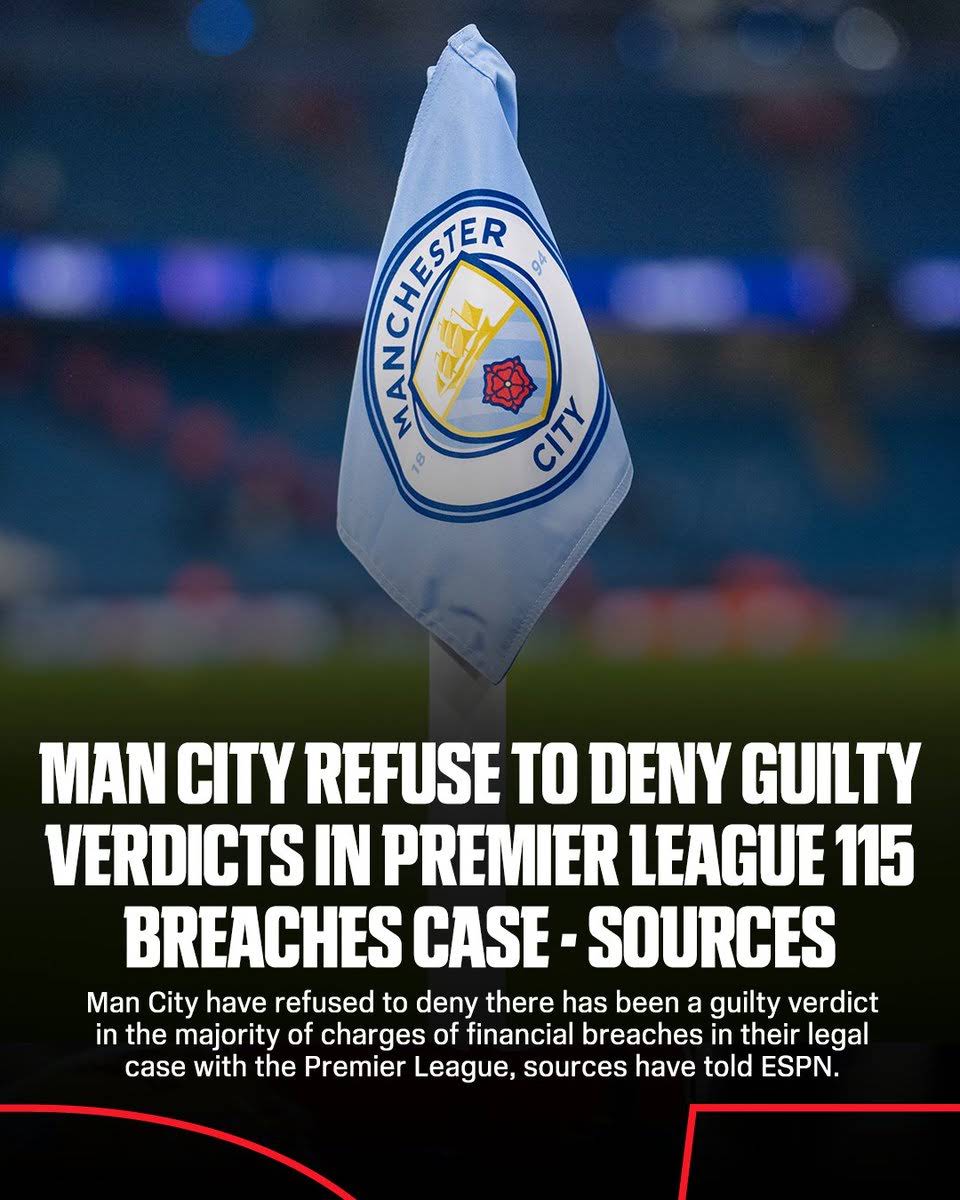
Manchester City has denied wrongdoing in its financial cases and has fought hard to defend its record. But the broader controversy around the club has turned into a stress test for football governance. The Premier League charged City with numerous alleged breaches of financial rules after a long investigation. The club has rejected the allegations and insists it has a comprehensive body of evidence supporting its position.
Pinto’s significance lies in the ecosystem of documents and disclosures that helped intensify scrutiny of elite club finance. Material associated with Football Leaks previously contributed to reporting that questioned sponsorship income, internal communications, and compliance with UEFA rules. The Manchester City story is therefore not merely a sports dispute. It is a corporate accountability drama wrapped in club loyalty, legal confidentiality, and regulatory complexity.
Why The City Case Feels Bigger Than One Club
If a major club is cleared, the decision will be framed by supporters as vindication and by critics as proof that the system struggles to prove complex financial misconduct. If punished, the ruling could reshape how clubs approach sponsorships, ownership-linked revenue, accounting assumptions, and document retention. Either outcome will set a tone for the next decade of football regulation.
The case also exposes a structural problem. Football’s richest teams can hire elite lawyers, consultants, auditors, and communications specialists. Regulators must not only write rules, but enforce them against organizations built to contest every clause. That turns governance into a battle of stamina.
The Legal Pressure On Rui Pinto
Pinto’s personal situation is not a clean heroic arc. He has faced criminal proceedings in Portugal connected to unauthorized access, attempted extortion allegations, and the handling of confidential information. He has also cooperated with authorities in some contexts and has been presented by supporters as a source who enabled investigations across borders.
That dual status is what makes his case so important. Modern whistleblowing often involves data. Data can be copied, transferred, encrypted, leaked, and distributed at scale. But legal systems still struggle to separate malicious intrusion from public-interest disclosure. Pinto sits in that gray zone, and football is only one of the arenas affected.
- The prosecution view: unauthorized access and data theft cannot be excused simply because some disclosures later prove newsworthy.
- The whistleblower view: powerful institutions rarely reveal misconduct voluntarily, so insiders and data sources become essential.
- The public-interest view: the method matters, but so does the value of exposing systems that regulators failed to catch.
For editors, investigators, and fans, the hard part is resisting a cartoon version of the story. Pinto’s conduct can be legally problematic while his disclosures remain socially consequential. Both can be true.
Rui Pinto And Football’s Data Age
The Pinto saga belongs to a wider trend: sport is now a data-security battlefield. Clubs hold vast archives of contracts, scouting files, medical information, salary structures, sponsorship negotiations, and executive correspondence. Those files are not just operational records. They are competitive assets and legal liabilities.
As football professionalized, the paper trail exploded. Deals involve agents, lawyers, image-rights companies, offshore entities, holding groups, and related-party sponsors. That complexity creates opportunities for aggressive accounting and regulatory arbitrage. It also creates a huge target for leaks.
Pro Tip for clubs: treating cybersecurity as an IT expense is obsolete. In elite sport, cybersecurity is governance, legal defense, brand protection, and competitive strategy. A leaked inbox can do more damage than a bad transfer window.
The Compliance Lesson Clubs Cannot Ignore
Every club that watched the Football Leaks fallout should understand one thing: private messages may become public evidence. Executives who assume that informal language, side agreements, or creative internal explanations will stay hidden are gambling with the institution’s future.
That does not mean every leaked document proves misconduct. Documents can be incomplete, misunderstood, outdated, or selectively presented. But the reputational damage begins long before a final legal ruling. In a media environment built on screenshots, searchable archives, and viral fragments, the court of public opinion moves faster than any tribunal.
The Whistleblower Problem Football Has Avoided
Football likes transparency when it is ceremonial. It publishes sustainability reports, financial summaries, and governance statements. But meaningful transparency is different. It requires independent scrutiny, accessible enforcement, and credible protections for people who report wrongdoing through lawful channels.
If insiders believe internal reporting systems are weak, conflicted, or designed to protect the institution, leaks become more likely. That is not a defense of illegal hacking. It is a warning. The more closed the system feels, the more attractive external disclosure becomes.
Football cannot condemn every leak as an attack while failing to build trusted routes for legitimate whistleblowing.
The lesson for leagues is clear. Strong whistleblower frameworks reduce the perceived need for chaotic leaks. They also help regulators distinguish between credible evidence and weaponized information. Without that structure, the sport remains dependent on accidents, breaches, and outsiders.
Why This Matters Beyond Manchester City
Fans may experience these cases through rivalry, but the stakes are bigger than banter. Financial rules influence competitive balance. If revenue can be inflated or costs disguised, sporting merit becomes harder to trust. If enforcement is too slow or too opaque, confidence erodes even when clubs are ultimately cleared.
The same applies to ownership. State-backed entities, private equity groups, billionaires, and multi-club networks are reshaping football’s power map. Regulators are trying to keep up with structures that move faster than traditional rulebooks. Pinto’s leaks did not create that reality, but they made it harder to ignore.
There is also a media lesson here. Investigative journalism increasingly depends on handling large datasets responsibly. Newsrooms must verify documents, protect sources, avoid exaggeration, and separate public interest from voyeurism. The Pinto case shows both the power and danger of leak-based reporting.
What Happens Next For Rui Pinto
Pinto’s future will likely remain tied to courts, cooperation agreements, and the ongoing debate over whistleblower protection. Even if his personal legal exposure changes, his impact on football is already fixed. He forced a richer conversation about accountability in a sport that often prefers spectacle over scrutiny.
For Manchester City, the key question is legal outcome. For the Premier League, it is credibility. For football as a whole, it is whether governance can evolve before the next massive leak detonates another cycle of outrage.
The uncomfortable truth is that Rui Pinto became important because the official systems did not convince enough people that they could uncover the truth alone. That should worry everyone who cares about the sport. Not because every leak is noble. Not because every accused club is guilty. But because football’s future depends on rules that are enforceable, transparent, and trusted before someone with a hard drive decides to make them impossible to ignore.
The information provided in this article is for general informational purposes only. While we strive for accuracy, we make no guarantees about the completeness or reliability of the content. Always verify important information through official or multiple sources before making decisions.