Seattle Waterfront Overhaul Charges Ahead With New Construction Milestones
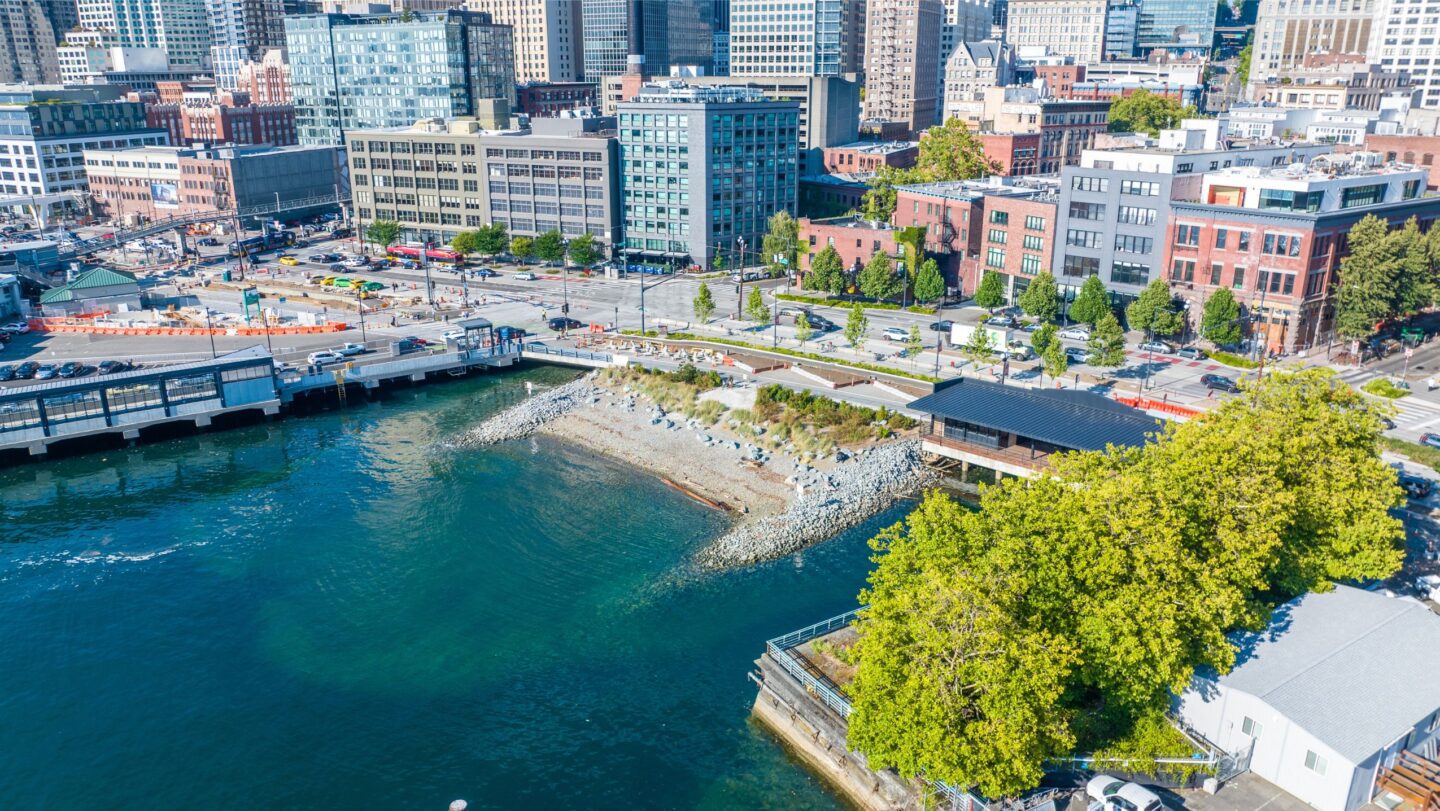
Seattle waterfront overhaul momentum is finally visible, and the stakes could not be higher for a city still trying to knit together tourism, climate resilience, and small business recovery. Cranes, seawalls, and detour maps are replacing years of planning decks, and every decision now determines whether the new shoreline becomes a resilient civic engine or a pricey misfire. The schedule is tight, the budgets are under scrutiny, and the design team is under pressure to deliver a public realm that feels human while surviving storm surge and heavier crowds. The clock is ticking toward peak summer traffic, and the engineering choices being locked in today will define the city edge for a generation.
- Construction sequencing for the Seattle waterfront overhaul is compressing utility work, park buildout, and mobility changes into a tight calendar.
- Design choices center on climate resilience, seismic upgrades, and a mix of public spaces meant to boost tourism and small businesses.
- Funding mixes public dollars with philanthropy and must stay flexible as material costs and labor dynamics shift.
- Stakeholders are watching traffic management, noise, and safety plans to protect nearby neighborhoods and port operations.
- Key milestones this year will signal whether the project can meet promised opening windows without cutting scope.
Seattle Waterfront Overhaul: Contracts, Cash, and Control
City leaders framed the Seattle waterfront overhaul as a signature investment in civic identity, but that identity now runs through procurement and scheduling details. The lead contractor is advancing a design-build package that bundles seawall strengthening, park grading, and transit interface work. That approach tightens accountability but compresses decision windows, meaning change orders must be ruthlessly managed. Funding is an intricate braid of local taxes, state allocations, and philanthropic pledges, all of which are sensitive to inflation and commodity volatility.
Inside the Construction Calendar
The master schedule stacks marine work with street realignment to protect the critical path. Crews must finish in-water pile driving during permitted seasons while simultaneously relocating utilities under Alaskan Way. Any slippage on diversion routing forces overtime on landscaping and hardscape installation, especially as the project chases a summer opening to capture tourist revenue. The project team is now using 4D modeling to visualize conflicts between crane placements, pedestrian detours, and vendor deliveries for waterfront businesses that cannot afford downtime.
Budget Pressures and Procurement
Commodity spikes have already pushed concrete and steel packages above early estimates. To keep scope intact, procurement shifted toward bulk purchasing and locking in long lead items such as custom lighting, seawall tiebacks, and corrosion-resistant fasteners. The city finance office built escalation buffers, yet any weather delay that extends marine work could burn contingency fast. A proactive value engineering pass trimmed nonessential custom elements but preserved core resilience features, signaling a strategy that prioritizes durability over short-term aesthetics.
Main Keyword Strategy: Seattle Waterfront Overhaul Design Choices
Main Keyword placement is deliberate because search relevance helps keep stakeholders informed. By framing design choices under the Seattle waterfront overhaul banner, the project positions itself as both a local and regional case study in climate-aware urban design. That narrative is critical as philanthropic partners expect transparency on the decision matrix that balanced heritage, public access, and defensive infrastructure.
Climate Resilience and Seismic Readiness
Designers are embedding climate adaptations into every layer. Elevated promenades anticipate sea level rise scenarios, while permeable paving and rain gardens slow runoff during atmospheric river events. Subsurface anchors and seismic isolation bearings protect key structures from lateral movement during earthquakes. Materials are specified for saltwater durability, limiting lifecycle costs and reducing maintenance downtime that could erode public trust.
Programming the Public Realm
Beyond hard infrastructure, the waterfront plan stacks flexible zones for concerts, farmers markets, and quiet seating. The intent is to mix programmable spaces with passive lawns so the area remains activated year round, not just on peak weekends. Child-friendly play areas are located near transit stops to keep families moving efficiently, and wayfinding will rely on tactile paving plus clear sightlines rather than cluttered signage. Food vendors are being clustered to streamline waste handling and power hookups, an operational decision that matters on a tight service corridor.
Mobility and Logistics Along the New Edge
Mobility is the make-or-break factor for the waterfront overhaul. The removal of the viaduct unlocked views but also removed a traffic bypass, forcing designers to craft a street grid that can flex between freight needs and festival crowds. The revised Alaskan Way cross section uses protected bike lanes, dedicated transit stops, and simplified left turns to calm conflict points. Freight operators for the nearby port terminals pushed for predictable clearance heights and curb radii, which the design team reconciled through shared curb flex zones and strict loading windows.
Detours, Safety, and Access
During construction, safety plans rely on redundant barriers, night lighting, and a clear chain of command for incident response. Pedestrian detours are mapped with GIS overlays to ensure ADA compliance and avoid mid-block dead ends. The city is piloting real time signage to reroute ride hail drivers away from congested blocks, and sensors are monitoring noise to respond quickly to community complaints. The goal is to maintain goodwill with downtown residents who have endured a decade of megaproject disruptions.
Transit Integration
Link light rail expansions and the ferry terminal modernization create both opportunity and complexity. The waterfront design provides widened pedestrian bridges to the terminal, ticketing spillover areas, and shaded queuing lanes. Bus bays are consolidated to shorten transfer times, and bike storage is located near visible security posts to curb theft. By aligning with regional transit upgrades, the waterfront can absorb more visitors without strangling local streets, a key metric for nearby retailers who depend on foot traffic.
Economic and Community Impact Signals
Investors and neighborhood groups alike are reading early signals about how the project will perform. Property owners adjacent to the promenade are already marketing new retail bays, betting on increased dwell time once the park opens. At the same time, small maritime businesses worry about rising rents and construction disruptions, prompting the city to explore relief grants and temporary leases on pop up kiosks so displaced vendors can maintain presence.
Tourism Upside Versus Local Needs
Tourism boosters highlight projections of higher hotel occupancy and cruise passenger spending, but residents want assurances that the waterfront will not become a privatized theme park. Programming balance is therefore crucial: booking major events should not eclipse daily neighborhood use. To enforce that balance, the operating plan caps the number of large events per season and reserves morning hours for community fitness classes and school field trips. That policy aims to blunt complaints that the overhaul serves visitors more than locals.
Business Resilience and Hiring
Construction jobs have already surged, but the long tail is in operations. The city estimates hundreds of permanent roles in maintenance, hospitality, and event management. Workforce development groups are pushing for apprenticeships tied to waterfront employers, ensuring that hiring benefits underrepresented communities hit hardest by past downtown downturns. Local colleges are also eyeing internships focused on urban ecology monitoring of the restored shoreline habitat.
Technology Behind the Build
This overhaul leans heavily on digital tools to keep scope, schedule, and cost in alignment. The contractor uses LiDAR scanning to validate as built conditions before pouring final concrete, catching conflicts that would be expensive to fix later. Drones capture weekly progress to share with the public, building trust through transparency. Environmental monitors feed data into dashboards that track turbidity and vibration near sensitive marine zones, allowing quick course corrections when thresholds are approached.
Data Driven Decision Making
By pairing building information modeling with real time sensors, the project office can simulate how a storm at high tide might affect active work zones. That simulation informs daily sequencing, determining whether crews should focus on upland landscaping or marine tiebacks. It also provides documentation to regulators that mitigation measures are working, a critical factor for maintaining permits.
Cyber and Physical Security
Large public projects now face cyber risk as well as physical theft. The team hardened project servers with multi factor authentication and isolated networks for field laptops. On site, camera towers and controlled laydown areas deter material theft, while QR coded inventory helps track high value equipment. These measures protect schedule reliability in a time when supply chains remain fragile.
What to Watch Next
Several milestones will signal whether the Seattle waterfront overhaul stays on target. The completion of utility relocations will unlock final paving and landscaping, while successful in-water work this season will clear the way for installing public art and seating. Community feedback sessions will also test whether design tweaks have addressed accessibility and noise concerns.
Risk Factors
Weather remains the largest variable. A wet winter could compress planting windows and force temporary materials that would need replacement later. Labor availability is another wild card as competing megaprojects bid for skilled trades. To hedge, the team is cross training crews and preordering materials with longer shelf lives to avoid supply shocks.
Pro Tips for Stakeholders
Residents should subscribe to construction alerts and map out alternate bike and transit routes during peak work. Nearby businesses can coordinate delivery windows with the contractor to avoid peak lane closures. Anyone planning events on the waterfront should lock dates early and understand the noise and power rules built into the new permits. For investors and property managers, track leasing velocity along the promenade as an early indicator of post opening demand.
The success of this overhaul depends on an unglamorous trio: disciplined scheduling, transparent communication, and relentless attention to how people actually move through space.
If the project team holds those lines, Seattle will gain a resilient, vibrant edge that works for commuters, tourists, and locals alike. Miss them, and the city inherits a costly stretch of concrete. The next few quarters will show which outcome is taking shape.
The information provided in this article is for general informational purposes only. While we strive for accuracy, we make no guarantees about the completeness or reliability of the content. Always verify important information through official or multiple sources before making decisions.