Sports TV Misses the Point
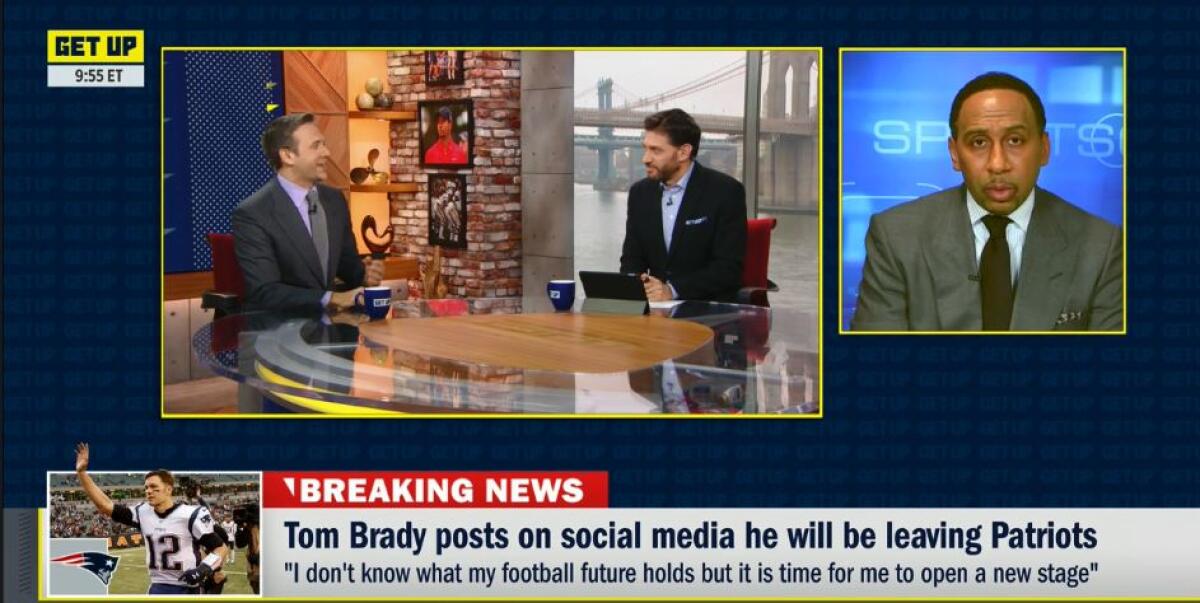
When a major off-field scandal breaks, sports television has a choice: treat it like the consequential news event it is, or bury it under the next segment on lineups, rankings, and hot takes. ESPN’s handling of the reported Jed York prostitution arrest fallout is a reminder that sports media still struggles with that first part. The problem is not simply what was covered, but what was not, how quickly the conversation moved on, and how often sports networks behave as if off-field accountability is somehow outside their lane.
That is a bad instinct in 2025. The modern sports media audience does not separate business, ethics, power, and performance as neatly as studios do. Owners, executives, athletes, and leagues are public figures with real influence. When news lands that reflects on that influence, the audience expects context, urgency, and editorial judgment. Instead, too often, the industry defaults to the comfort of endless gameplay analysis.
- Sports media still prioritizes the schedule over the story.
- Off-field scandals are not side quests – they are part of the business of sports.
- Audience trust depends on whether networks can cover power, not just plays.
- The Jed York controversy highlights a recurring failure in live editorial judgment.
- Networks that adapt to breaking news will look more credible than those that don’t.
Why the Jed York moment mattered
The reason this story resonated is simple: it was not just another rumor or tabloid flutter. It involved a figure with real power in one of the most scrutinized businesses in America. In that context, sports TV’s hesitation feels less like caution and more like avoidance. Audiences understand that the NFL is not only a game. It is an empire of ownership, public relations, brand management, and money. If a breaking story reflects on that system, then pretending it is outside sports coverage is editorially weak.
That weakness matters because sports television has spent years trying to be more than a scoreboard machine. Networks want authority. They want to shape the conversation, not just react to it. But authority cuts both ways. You cannot claim the mantle of serious journalism when the story becomes uncomfortable.
Sports TV cannot keep asking for trust while selectively deciding which truths are “on topic.” The audience notices when the real story is the one everyone in the room is quietly stepping around.
Sports TV and the breaking news problem
This is not a one-off issue. It is a structural flaw. Live sports programming is built for speed, repetition, and scheduled certainty. Breaking news, by contrast, is messy. It demands immediate context, a tolerance for uncertainty, and the willingness to let a segment breathe even if it disrupts the flow.
The tension shows up constantly. A network is midway through a debate about playoff seeding, and then a significant story breaks about a league figure. Do they pivot? Do they acknowledge it? Do they wait for a cleaner narrative frame? The correct answer is usually to stop and address the news. Yet sports TV often behaves as if interruption itself is a failure.
That instinct is understandable, but it is outdated. Viewers have access to scores, highlights, and transaction updates anywhere. What they come to television for – especially live television – is interpretation. If the biggest interpretation of the day is an off-field scandal, that is where the coverage should go.
The real cost of hesitation
Hesitation has a price. It tells the audience that editorial hierarchy is flexible when power is involved. It also creates a credibility gap. If a network looks uncomfortable covering a damaging story about a powerful sports figure, viewers may reasonably wonder what else gets softened, delayed, or framed too gently.
That is especially dangerous for outlets that rely on insider access. Access journalism has value, but it also creates pressure. The more dependent a network becomes on maintaining relationships, the harder it can be to cover those relationships honestly when things go sideways. The audience may not see the negotiations, but it can feel the outcome.
The Jed York story and what it says about the industry
The larger lesson here is not about one person or one team. It is about the priorities of the entire sports media ecosystem. Leagues want control. Teams want insulation. Networks want access and ratings. The audience wants truth with enough context to make sense of the power structures behind the spectacle. Those goals do not always align.
When a major network appears slow to respond to a serious off-field story, it signals where its internal incentives may live. Is the priority informing viewers or protecting the broadcast rhythm? Is the newsroom acting like a newsroom, or like an entertainment unit that occasionally reports news when it is convenient?
The answer matters because sports journalism has evolved. The best reporting now goes far beyond box scores and injury updates. It covers ownership disputes, labor, workplace culture, criminal allegations, and the business decisions that shape teams as institutions. If sports TV ignores that evolution, it risks becoming a thinner, less relevant version of itself.
Why audience expectations have changed
Audiences are more skeptical and more informed than ever. Fans follow independent reporters, local beat writers, social platforms, and national insiders all at once. They do not wait for the nightly highlight show to tell them what matters. If a story is already circulating widely and the major TV outlet seems slow or evasive, viewers interpret that silence as a choice.
That is why modern sports coverage must operate with more transparency. Even a simple on-air acknowledgment that a story is developing can go a long way. The audience does not always expect perfection. It does expect seriousness.
How networks should handle breaking news better
The fix is not complicated, but it does require discipline. Sports networks need a clearer playbook for non-game breaking news, especially when it involves owners, executives, or league power brokers. That means faster escalation, clearer editorial thresholds, and a willingness to interrupt the show when the story demands it.
Here is the basic framework that would already improve most live broadcasts:
- Prioritize materiality – If a story affects team leadership, league governance, or public trust, it belongs in coverage immediately.
- Separate uncertainty from avoidance – You do not need every detail to acknowledge significance.
- Assign a reporter voice – Let one person explain what is known, what is not, and why it matters.
- Avoid false balance – Not every breaking story needs a debate segment before it needs context.
- Update visibly – If facts are changing, say so on air instead of pretending the story can wait.
That approach does more than improve journalism. It protects the brand. A network that handles breaking news well looks composed, credible, and useful. One that dodges the story looks trapped by its own programming habits.
Pro tip for live editorial teams
When a serious off-field story breaks, the first question should not be “Can we fit this into the rundown?” It should be “What would a viewer think if we ignored this for 20 more minutes?” That mental shift forces the right priorities.
It also helps to pre-build a response path. Have a producer, an editor, and an anchor aligned on who can make the call to pivot, what language to use, and when to bring in a reporter who can verify the details. In live television, speed is a virtue only if it is paired with judgment.
Why this matters beyond one scandal
The deeper issue is trust. Sports TV has spent decades convincing viewers that it is the front porch of the sports conversation. But if the conversation gets serious, and the network backs away, that front porch starts to look like a stage set.
This affects more than one controversy. It shapes how audiences understand race, labor, governance, misconduct, and accountability across sports. If television is willing to cover only the safe, clean, and schedule-friendly parts of the business, then it is not really covering the business at all. It is covering the marketing.
And that is the central tension in the current media landscape. The most valuable sports coverage is increasingly the least comfortable. Fans want the truth behind the gloss. They want to know how power works, who is accountable, and what consequences actually look like. The networks that meet that demand will matter more over time. The ones that hesitate will keep looking like they are one uncomfortable headline away from silence.
The future of sports journalism looks more accountable
If there is a silver lining here, it is that the pressure is pushing sports media in a better direction. The old model, where a network could treat off-field scandal as an awkward detour, is fading. The audience is too informed, the distribution channels too diverse, and the expectations too high.
That does not mean every detail of every breaking story belongs in a live studio segment. It does mean the default posture should shift from avoidance to acknowledgment. Networks that make that change will build stronger credibility with viewers who are tired of being treated like they only care about the next highlight.
Sports are entertainment, yes. But they are also institutions, labor markets, political machines, and billion-dollar businesses. Once you accept that, the coverage has to grow up too. The Jed York coverage controversy is a useful test because it exposes how far some outlets still have to go.
The best sports media will not just call games and dissect schemes. It will explain power when power is the story. Anything less is just noise between commercials.
The information provided in this article is for general informational purposes only. While we strive for accuracy, we make no guarantees about the completeness or reliability of the content. Always verify important information through official or multiple sources before making decisions.