Spotify Pushes Premium Pricing
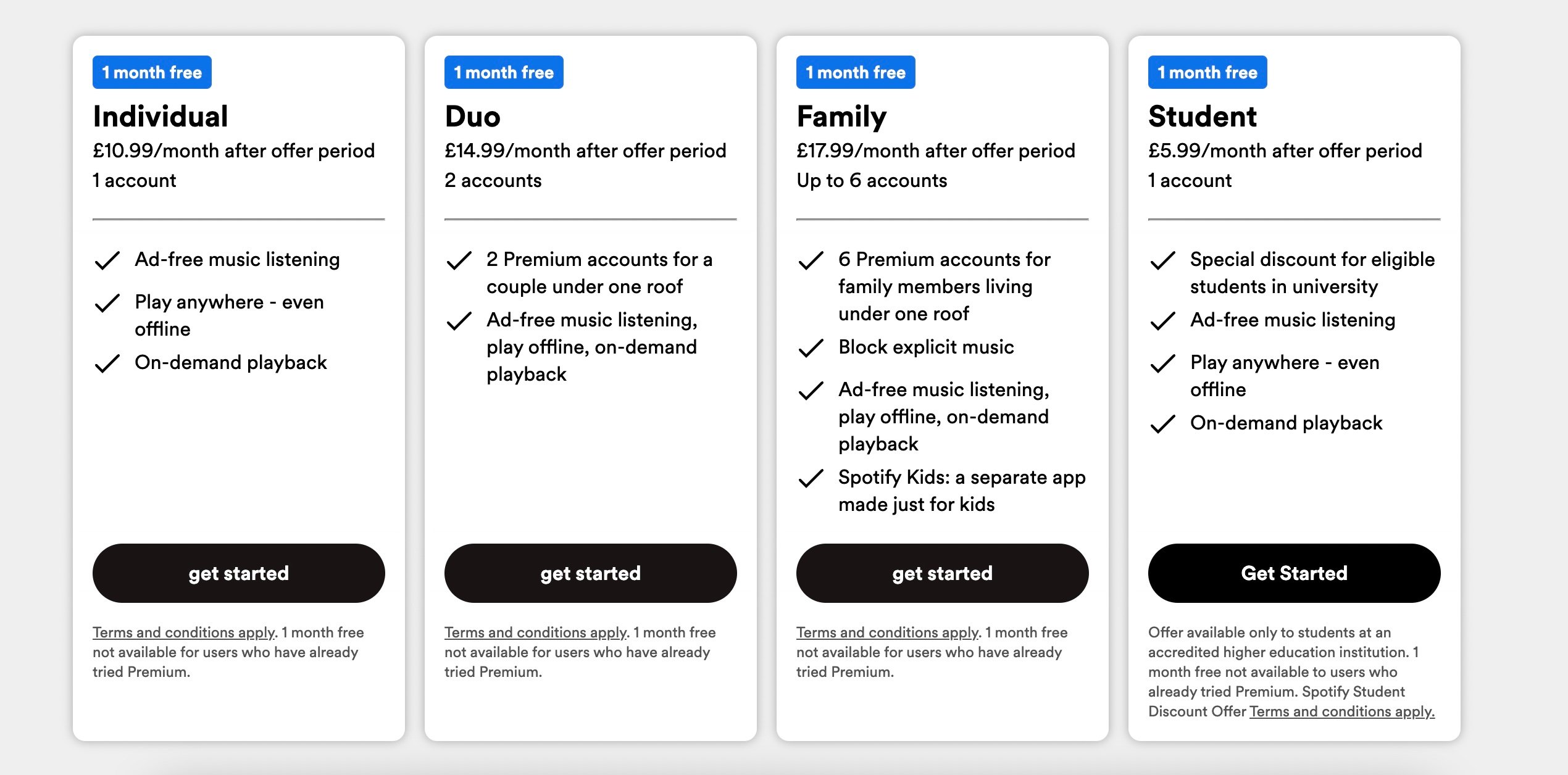
Spotify Premium pricing is the real story behind the streaming boom
Spotify has spent years turning music streaming into an everyday utility. Now it is testing how much that utility can cost before subscribers start pushing back. The latest Spotify Premium pricing move is not just another monthly bill adjustment. It is a signal that the streaming economy is shifting from growth at any cost to revenue discipline, and listeners are the ones being asked to absorb the change. For an industry built on convenience and scale, that is a risky bet. The question is no longer whether streaming works. It does. The question is whether consumers will keep paying more for the same digital shelf, especially when rivals, bundles, and free alternatives are one tap away.
- Spotify Premium pricing reflects a broader push toward higher subscription revenue.
- Users are now weighing convenience against value more aggressively than before.
- Price hikes can lift short-term revenue but also increase churn risk.
- The next battleground is not catalog size, but retention and perceived fairness.
Why the price hike matters now
Spotify is not acting in a vacuum. Nearly every major subscription business has spent the last few years rethinking its pricing ladder. Streaming video has already normalized a world where users pay more for fewer perks, while music services are trying to protect margins in a market where licensing costs remain stubbornly high. Spotify Premium pricing matters because it sits at the intersection of consumer fatigue and platform ambition. Spotify wants to convince listeners that its service is still indispensable. But when the monthly charge climbs, users start auditing what they actually use: offline downloads, ad-free listening, playlist curation, podcast access, and personalized discovery. That audit is brutal, because music subscriptions are easy to cancel and even easier to replace temporarily.
Price increases are rarely just about the price. They test whether a product has become a habit or merely a preference.
That distinction is everything. If Spotify is a habit, users may grumble and stay. If it is a preference, they will shop around.
Spotify Premium pricing and the economics underneath
Streaming music has always looked simple from the consumer side and messy from the business side. Every song streamed can carry royalty obligations, label agreements, publisher demands, and infrastructure costs. The result is a business where scale helps, but not enough to make pricing irrelevant. That is why Spotify Premium pricing keeps becoming a strategic lever. It is one of the few levers the company can pull without changing the entire product.
What Spotify is really optimizing
At this stage, Spotify is likely optimizing for a few things at once: stronger average revenue per user, better monetization of loyal listeners, and room to invest in new features without destroying margins. That means the company is trying to separate casual users from high-value subscribers. In subscription businesses, that usually means the people most likely to stay pay more, while the most price-sensitive users either downgrade or churn.
That is not necessarily a sign of weakness. It is often a sign that a platform believes its core users are sticky enough to carry more of the financial load. But it also comes with a warning label: if the price climbs too quickly, users begin to reassess the entire service, not just the subscription tier.
How listeners are likely to respond
The consumer reaction to a price rise is rarely uniform. Some users barely notice. Others react immediately because streaming subscriptions now compete with cloud storage, video services, ride apps, meal kits, and mobile plans. The cumulative effect is real. Even a small monthly increase can feel like a bigger insult when households are already trimming recurring expenses.
Here is the playbook many users follow when a service raises prices:
- Check whether a family plan, student plan, or bundled option is cheaper.
- Cancel and rely on free, ad-supported alternatives for a while.
- Rotate subscriptions, subscribing only when a service has a must-have feature.
- Compare the platform against rivals offering similar audio libraries or exclusive content.
That means the impact of Spotify Premium pricing is not just the direct revenue lift. It is the secondary effect on user behavior. A portion of subscribers will stay. A portion will downgrade. And a smaller, but important, portion will leave entirely. The challenge for Spotify is making sure the first group is bigger than the sum of the other two.
Spotify Premium pricing and the competition problem
Spotify may be the most recognizable name in music streaming, but brand recognition does not eliminate competition. Apple Music remains tightly integrated into Apple’s ecosystem. YouTube Music benefits from Google’s reach and video adjacency. Amazon Music is bundled into broader Prime value propositions. In other words, Spotify is often the standalone subscription in a market full of bundles. That gives it a different burden.
When a service is bundled, users tend to tolerate weird economics because the subscription already feels justified by other benefits. But Spotify has to win on product value alone. That makes Spotify Premium pricing especially sensitive. If listeners believe the app still offers the best recommendations, the best interface, and the cleanest music experience, they may forgive the increase. If they do not, the subscription starts to look expensive fast.
Bundles change the math
The real pressure comes from bundles that make music feel like a bonus rather than a standalone cost center. That is a difficult environment for a pure-play audio service. Spotify can keep adding features, but unless those features create immediate, visible value, the company risks charging more for a service that users think they already understand.
In subscriptions, the product is never just the product. It is the bundle of habits, convenience, and perceived savings around it.
What this means for the streaming market
The broader streaming market is maturing, and maturity changes everything. Growth slows. Investors ask harder questions. Companies stop racing to add users and start pushing existing users to pay more. That is exactly why Spotify Premium pricing is such a useful case study. It reveals the point where a platform stops behaving like a startup and starts behaving like a utility with pricing power.
This shift has several implications:
- Subscription inflation becomes normalized across digital services.
- Platforms become more aggressive about tiering features.
- Premium users get asked to fund product experimentation and expansion.
- Value messaging becomes as important as product features.
For consumers, that means the old assumption that digital goods should get cheaper over time is breaking down. Software, media, and entertainment are all drifting toward the same logic: if a service is central to your daily life, it will eventually cost more.
Why this matters beyond music
Spotify Premium pricing is not just about songs. It is about how the internet monetizes attention after the era of cheap subscriptions starts to fade. The same tension is playing out across news, video, storage, productivity software, and AI tools. Companies need more revenue to sustain content, compute, and development costs. Consumers need a reason to keep paying when every app now wants a monthly commitment.
This is where trust becomes a financial asset. If Spotify can convince users that the increase supports a better experience, fewer ads, stronger recommendations, or more useful features, it can preserve loyalty. If the company simply raises the bill and hopes inertia does the rest, it may win the quarter and lose the relationship.
Pro tip for subscribers
If you are trying to manage rising subscription costs, review your listening habits before renewing. Ask three simple questions: How often do I use this?, What feature do I actually value?, and Is there a cheaper plan that still covers my needs? That quick audit often exposes subscriptions that survive on autopilot rather than necessity.
The editorial bottom line
Spotify Premium pricing is a smart business move only if the company can keep proving that the service is worth the extra charge. That is the central test. Not whether Spotify can raise prices, but whether it can raise prices without making the product feel less essential. The streaming boom trained consumers to expect convenience, massive catalogs, and low-friction access. Now the bill for that convenience is coming due.
Spotify has enough scale, habit formation, and product polish to withstand pressure. But the company also knows that pricing is where loyalty gets measured in the coldest possible terms. If the app is truly indispensable, listeners stay. If not, they start looking for a cheaper way to hear the same songs. And in the age of subscription overload, that decision happens faster than most platforms want to admit.
The information provided in this article is for general informational purposes only. While we strive for accuracy, we make no guarantees about the completeness or reliability of the content. Always verify important information through official or multiple sources before making decisions.


