Supreme Court Reshapes Campaign Finance
Supreme Court Reshapes Campaign Finance
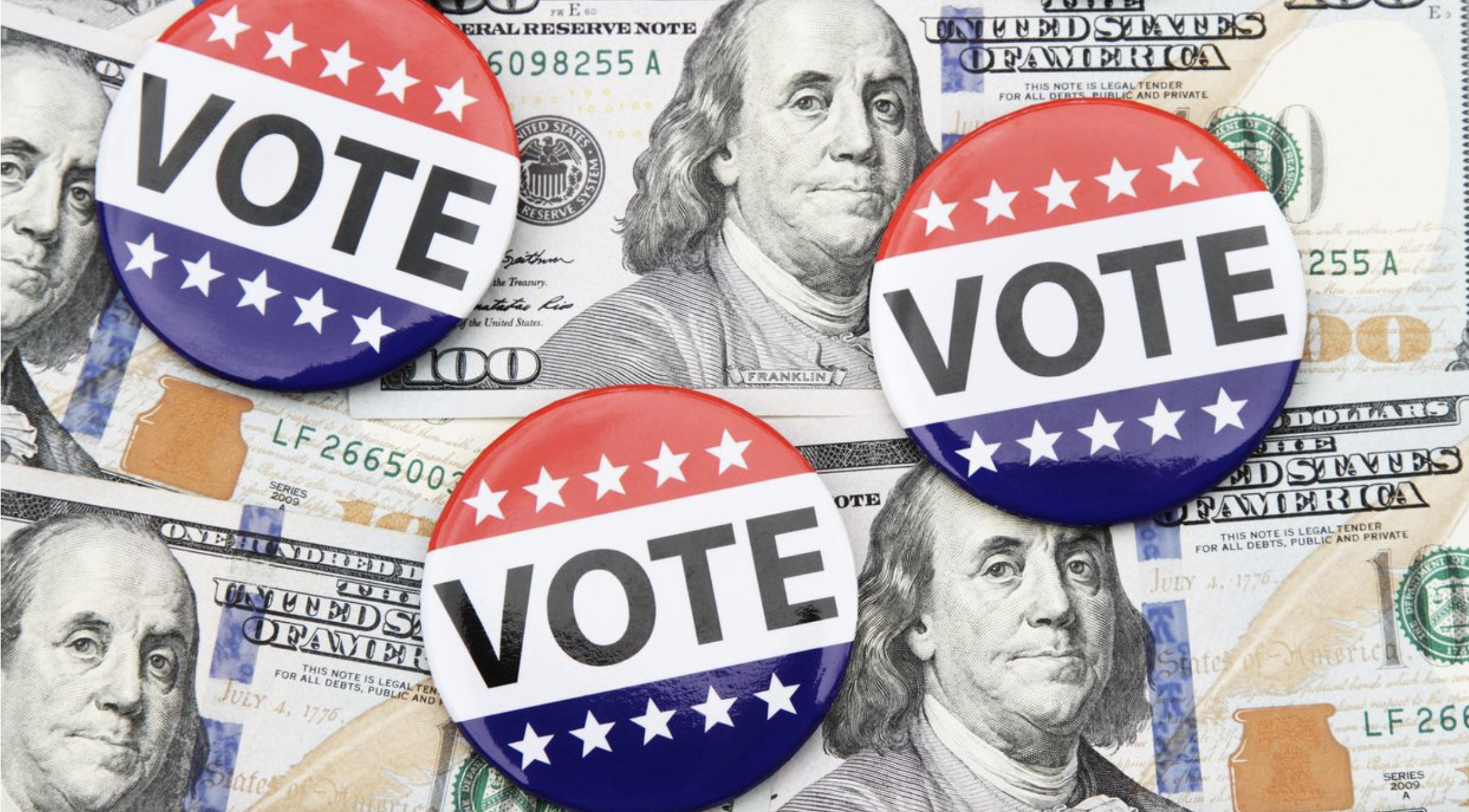
The next election cycle may not be decided only by voters, candidates, or parties. It may be decided by who can legally spend the most, the fastest, and with the least visibility. A major campaign finance ruling from the Supreme Court can do more than tweak the edges of political spending – it can change the architecture of modern democracy. For campaigns already dependent on super PACs, issue groups, and sprawling donor networks, even a narrow decision can tilt strategy overnight. For everyone else, it raises a blunt question: when money speaks louder, who is left to answer?
- The Supreme Court’s campaign finance posture can reshape how money moves through politics.
- Any loosening of spending rules tends to amplify wealthy donors and outside groups.
- Campaigns must adapt quickly to legal changes, compliance burdens, and donor strategy.
- The bigger issue is not just legality – it is transparency, accountability, and influence.
Why the campaign finance fight matters now
Campaign finance has been one of the most volatile pressure points in American politics for more than a decade. The core conflict is simple: the Constitution protects political speech, but the law also tries to prevent corruption, or the appearance of it. The Supreme Court has repeatedly narrowed the government’s ability to regulate money in politics, and each new ruling has pushed campaigns further toward a system where outside spending often matters as much as official candidate fundraising.
This latest case lands at a moment when political communication is already fragmented. Digital ads are cheaper, fundraising is more automated, and donor data is more precise. That combination makes every ruling on campaign finance feel bigger than its legal text. A shift that looks technical on paper can alter who gets airtime, who gets drowned out, and how much power wealthy actors have to shape the narrative before voters even show up.
When the rules around political money change, the real impact is often seen first in strategy rooms, not courtrooms.
The Supreme Court’s campaign finance logic, explained
At the center of most campaign finance disputes is a recurring legal tension: how much can the government limit political spending without violating free speech? The modern Court has often treated independent expenditures as protected expression, while being more cautious about direct contributions that could create quid pro quo corruption. That distinction sounds neat. In practice, it is messy.
Campaigns and outside groups have spent years exploiting the seams between candidate committees, joint fundraising operations, super PACs, and nonprofit advocacy organizations. The result is a political finance ecosystem that is highly sophisticated, highly legalistic, and often opaque to ordinary voters. If the Court strengthens or weakens any part of that system, the ripple effects can touch fundraising, message discipline, and compliance workflows across the entire political class.
What campaigns watch first
Political strategists are usually less interested in the constitutional theory than in the operational fallout. They ask three questions immediately:
- Can the campaign still raise money through the same channels?
- Will outside groups become more aggressive or more restricted?
- How much disclosure will voters, watchdogs, and opponents be able to see?
Those questions determine whether a ruling is merely a legal headline or a structural change in how elections get financed.
How a ruling can alter the campaign finance playbook
A Supreme Court decision on campaign finance does not operate in a vacuum. It lands inside a political marketplace where campaigns, party committees, consultants, and nonprofit organizations are already adapting to legal uncertainty. The immediate effect is usually tactical: lawyers rewrite guidance, compliance teams update controls, and finance directors re-map donor pipelines. The longer-term effect is strategic: candidates begin to build campaigns around whatever spending model the law now rewards.
1. Donors move toward the highest-leverage vehicles
When legal boundaries shift, money follows efficiency. Wealthy donors tend to look for the route that gives them maximum political impact with minimum friction. If a decision expands permissible spending, expect more cash to flow into independent groups and aligned nonprofits. If it narrows something, expect more creative bundling, more careful coordination, and more pressure on campaign committees to find compliant substitutes.
2. Transparency gets tested
Disclosure is often the first casualty in any campaign finance arms race. Even when spending is legal, public accountability can fade if money moves through entities with limited transparency. That matters because voters can only evaluate influence when they can see who is paying for it. A jurisprudence that tolerates more political spending without stronger disclosure can produce a system where legal compliance and democratic clarity drift further apart.
3. Small-dollar politics becomes harder, not easier
There is a persistent myth that more political spending automatically means more participation. Often the opposite happens. When the dominant players are super PACs and mega-donors, small-dollar fundraising still matters, but it becomes less central to message dominance. Campaigns then spend more time optimizing donor churn and list growth while still relying on outside groups to carry the heaviest media lift.
More money does not automatically mean more democracy. Sometimes it just means louder megaphones for the same few people.
Why this matters for the next election cycle
The practical stakes are enormous. A campaign finance ruling can influence ad markets, candidate recruitment, and even which races become competitive. If outside groups gain more latitude, wealthy backers can flood key districts or states with late money, forcing campaigns to react in real time. If restrictions tighten, campaigns may be forced to rebuild their fundraising models around more direct, more transparent mechanisms.
For voters, this is not an abstract legal debate. It affects what kinds of messages dominate your feed, which candidates can afford to respond, and whether the political conversation is shaped by broad coalitions or concentrated wealth. The deeper concern is legitimacy. Even when no law is broken, a system that appears captured by money can erode trust in the outcome itself.
The business of politics keeps getting more industrial
One reason campaign finance debates remain so explosive is that political spending has become an industry. Consultants, media buyers, compliance lawyers, data firms, and fundraising platforms all depend on the size and shape of the legal playing field. A new ruling can create winners and losers across that ecosystem.
For campaign vendors, looser rules can mean more demand for ad inventory, message testing, and donor acquisition tools. For watchdog groups, it often means more work identifying the true source and purpose of spending. For platforms hosting political ads, it means more scrutiny over disclosure and targeting. The result is a feedback loop: the more money flows, the more sophisticated the infrastructure becomes, and the harder it is for ordinary voters to track who is influencing what.
Pro tip for campaigns and operators
If you work near political fundraising or compliance, assume the legal environment can change faster than your standard operating procedures. Build flexibility into donor processing, disclosure review, and vendor contracts. Do not wait for a final ruling to stress-test your campaign finance workflow.
The future of campaign finance may hinge on disclosure
Even critics of strict spending limits often agree on one point: the public deserves to know who is paying. That is why disclosure rules are likely to remain central no matter how the Court rules on the broader question. In many ways, transparency is the last line of defense when direct regulation becomes harder to sustain.
But disclosure alone is not a cure-all. Money can still move through layers of organizational complexity that obscure intent and ultimate control. That is why future reform efforts, if they happen at all, will likely focus on tightening reporting rules, clarifying coordination standards, and forcing more accountability from the entities that benefit most from legal ambiguity.
What to watch next
- Whether the ruling expands or narrows spending by outside groups.
- How quickly campaigns update compliance and fundraising operations.
- Whether new state-level rules emerge to fill federal gaps.
- How much pressure builds for stronger disclosure requirements.
The bigger picture
The most important thing about a Supreme Court campaign finance ruling is not just who won the case. It is what kind of political system the decision incentivizes. If the Court continues to favor broad spending rights with limited guardrails, elections will likely become more dependent on wealthy networks and sophisticated outside groups. If it imposes clearer limits, campaigns may need to rebuild around smaller, more transparent models of political support.
Either way, the era of simple answers is gone. Campaign finance is no longer a side issue tucked into election law. It is the operating system of modern politics, and every Supreme Court move has the potential to rewrite the code.
For voters, that means staying alert to more than slogans and polling averages. It means watching who is spending, how they are spending, and what the law now allows them to hide.
The information provided in this article is for general informational purposes only. While we strive for accuracy, we make no guarantees about the completeness or reliability of the content. Always verify important information through official or multiple sources before making decisions.