Sydney data centers risk blackouts and housing squeeze
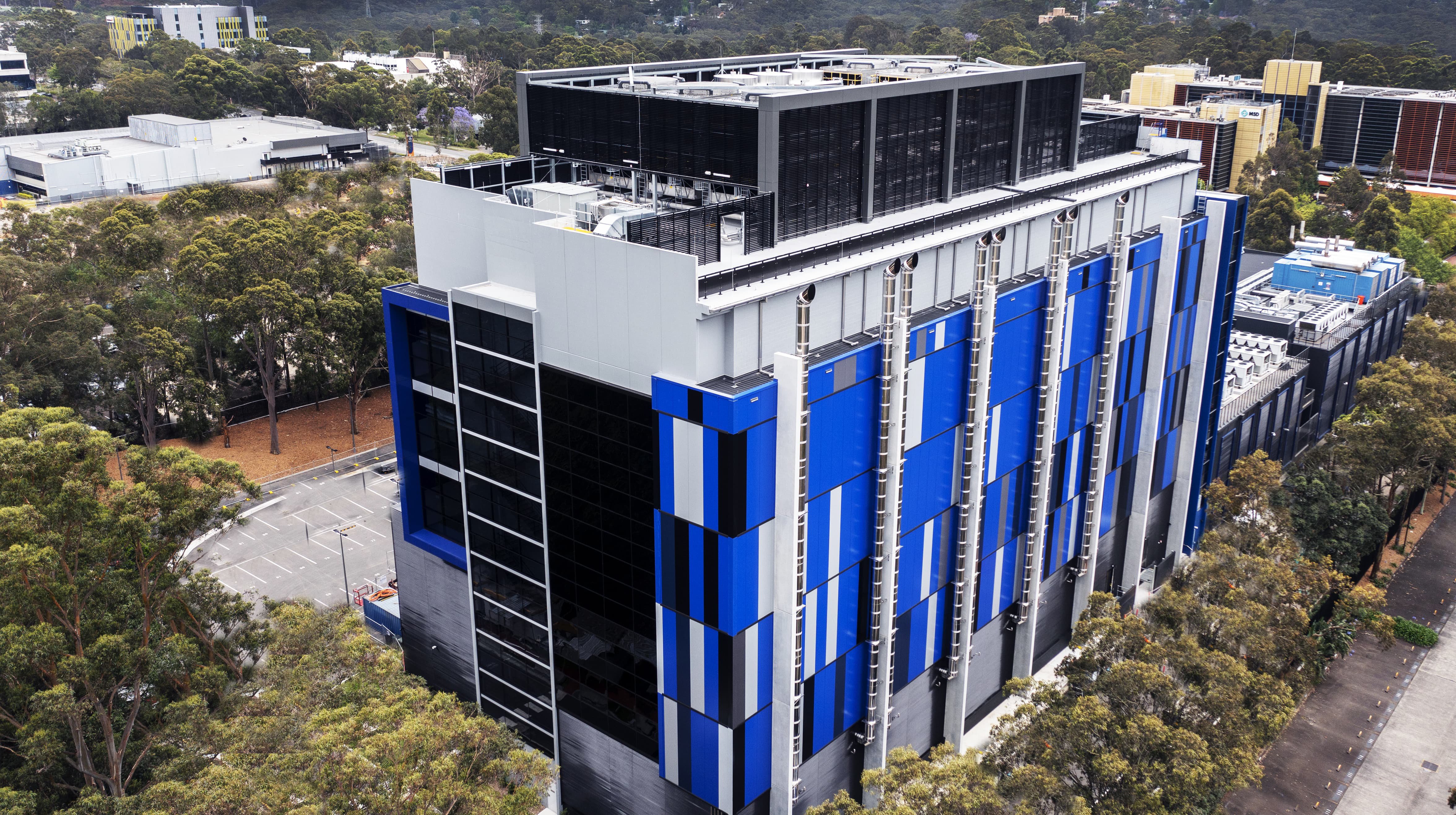
Sydney data centers risk blackouts and housing squeeze
Sydney is racing to become the cloud capital of the southern hemisphere, but the surge of hyperscale builds is now testing the limits of its power grid and patience. The Sydney data centers boom promises AI capacity and jobs, yet councils fear brownouts, stalled housing projects, and heat and noise creeping into suburbs. Residents wonder if the cloud era means dimmed streetlights and hotter nights, while regulators scramble to align planning rules with megawatt-hungry server halls. This is not a distant cautionary tale: it is a live stress test of how much digital infrastructure a city can absorb before it overheats its own future.
- Power demand from clustered facilities risks straining already stretched grid nodes.
- Local councils face tradeoffs between digital investment and critical housing approvals.
- Heat, noise, and diesel backup fleets raise health and climate questions for nearby residents.
- Developers say upgrades and battery storage can mitigate, but timelines and costs are opaque.
- Regulation and transparency lag behind the speed of AI and cloud buildouts.
Grid flashpoint: Sydney data centers vs stability
The uneasy calculus starts with electricity. Each hyperscale site can drink tens of megawatts, often arriving in clusters that hit the same substations. Councils in western and northern Sydney argue that even modest delays in transmission upgrades could cascade into constrained capacity for schools, hospitals, and new housing. The industry counters that modern builds add on-site batteries and smarter load balancing, but those mitigations rarely erase peak demand: they merely shift it.
Call-out: “We cannot allow critical community infrastructure to be outbid by server racks,” one council planner warns. The fear is simple: a queue-jumping data hall could force a suburb into rolling blackouts when heatwaves spike usage.
Policymakers are caught between keeping the lights on and keeping the AI boom local. If Sydney fumbles, rival hubs in Singapore, Tokyo, or even regional centers with fresher grids could siphon the growth. That threat has become the lever industry lobbyists pull whenever tighter restrictions are floated.
Sydney data centers and urban planning tensions
Land once earmarked for mixed-use or residential is increasingly eyed for concrete shells filled with humming servers. Councils now face a zero-sum map: every hectare given to a compute block is one less for apartments in a market already gasping for supply. The optics are ugly – homes delayed while windowless fortresses rise. And because data halls tend to cluster near fiber backbones, the same neighborhoods shoulder multiple sites and the cumulative heat, traffic, and diesel generator tests that come with them.
Unlike warehouses, these facilities run 24-7 and require constant cooling, expelling warm exhaust into already warming suburbs. Health advocates point out that long-duration generator tests release particulate matter, which quietly erodes air quality. Localized microclimates, once dismissed as fringe concerns, are now measurable as pocket heat islands.
Opinion: tech exceptionalism meets civic limits
The tech sector has long assumed that digital infrastructure deserves fast-tracked approvals because the economic upside is self-evident. That logic falters when physical limits – grid capacity, land availability, and neighborhood liveability – bite back. Treating data centers as inevitable can mask a lack of transparency: residents rarely see real power budgets, water usage, or emissions data until after approvals are inked.
Reality check: The “cloud” is just someone else’s industrial estate. Without aggressive disclosure rules, communities become unwitting hosts to energy-intensive plants they never knew they were getting.
It is time to move beyond glossy job-creation decks. Cities need enforceable caps on cluster density, mandatory public reporting of MW draw, and guarantees that critical housing and health projects cannot be leapfrogged by speculative server farms.
Why this matters beyond Sydney
Sydney is not alone. Frankfurt, Dublin, and Northern Virginia have already wrestled with similar choke points, instituting moratoria or grid connection queues. The lesson is clear: once you let unfettered growth set the pace, regulators trail behind, and residents pay the early costs. Sydney has a narrowing window to design policy that keeps AI momentum without sacrificing climate goals or urban resilience.
Investors should also care. Projects that ignore community signals face mounting delays, legal challenges, and retrofit costs as standards tighten. ESG-driven capital is increasingly skeptical of opaque power contracts and diesel-reliant backup strategies. A transparent, balanced framework might slow approvals in the short term but de-risks the pipeline long term.
Pro tips for councils and operators
- Map load early: Force developers to publish grid impact assessments before zoning approvals, not after. Tie permits to verifiable
MWceilings. - Enforce buffers: Use minimum setback rules and acoustic controls to curb noise and heat bleed into residential streets.
- Demand dual benefits: Require on-site batteries to support community resilience during peak events, not just for data hall uptime.
- Water audits: Cooling strategies should disclose annual
MLconsumption and reclaim targets to prevent stealth water stress. - Sunset clauses: Introduce review periods so permits can tighten if cumulative impacts exceed thresholds.
Economic upside, if done right
No one disputes that compute capacity underpins modern economies. AI training, gaming, fintech, and streaming all hinge on low-latency nodes. Sydney can harness that demand to create skilled jobs and anchor tech ecosystems, but only if the social license is protected. That means reinvesting connection fees into local grid upgrades, funding apprenticeship programs, and ensuring that fiber builds coincide with public Wi-Fi expansions instead of stopping at the data hall door.
Developers willing to embrace this social contract can still move fast. Pre-wiring sites for rooftop solar, committing to low-carbon construction materials, and publishing live dashboards of power and emissions can turn skeptics into allies. The companies that treat communities as partners, not obstacles, will face fewer court challenges and headline risks.
The AI accelerant
AI workloads change the calculus. Training clusters push power draw to spikes that traditional data center planning never envisioned. That volatility makes grid operators nervous, especially during summer heatwaves when residential air conditioning already strains lines. Demand-response schemes – where centers dial down during grid stress in exchange for tariff breaks – could become the norm. Yet few Sydney projects openly commit to such contracts.
As AI adoption races ahead, the city risks locking itself into legacy designs optimized for steady cloud loads rather than erratic GPU hunger. Future-proofing now – with modular cooling, flexible MW envelopes, and microgrid interoperability – is cheaper than retrofitting after the first blackout.
Health, noise, and the invisible costs
Residents living within earshot of generator testing report low-frequency hums that rattle windows. While compliance reports often declare “within limits,” standards lag behind the reality of multiple sites running sequential tests. Heat exhaust raises overnight temperatures, undercutting the ability of neighborhoods to cool. Add diesel particulate and you get a public health burden quietly borne by those who live closest to the racks powering everyone else’s cloud backups.
Transparency would help. Posting test schedules, publishing acoustic readings, and committing to battery-first backup strategies could reduce friction. The industry must stop hiding industrial impacts behind the allure of invisible cloud services.
Regulatory reset: what needs to change
State and federal regulators should align environmental, planning, and energy approvals into a single, transparent pipeline. That pipeline must give housing, schools, and hospitals priority access to contested grid capacity. It should also require lifecycle emissions accounting, including embodied carbon of construction and the fuel mix of backup systems. Tiered tariffs that reward demand-response behavior could align operator incentives with grid stability.
Without this reset, councils will continue to consider moratoria or heighten zoning barriers, creating a patchwork that slows everyone. A coordinated approach keeps Sydney competitive while respecting the limits of its infrastructure.
Future outlook: balanced or brittle
Sydney stands at a fork. It can either choreograph a modern, resilient network of data centers that coexist with housing and public infrastructure, or it can stumble into a brittle patchwork where outages, community backlash, and stalled housing projects become the norm. The next 24 months, as multiple hyperscale projects seek connection, will set the precedent.
Bottom line: The cloud boom is only an asset if it does not dim the lights for the people it is meant to serve.
The path forward is not anti-growth – it is pro-discipline. Build the rules, expose the numbers, and let the projects that respect those limits move first. Sydney can be the template for how a city scales AI without sacrificing its pulse.
The information provided in this article is for general informational purposes only. While we strive for accuracy, we make no guarantees about the completeness or reliability of the content. Always verify important information through official or multiple sources before making decisions.