Sydney Locks Down Shared E-Bikes
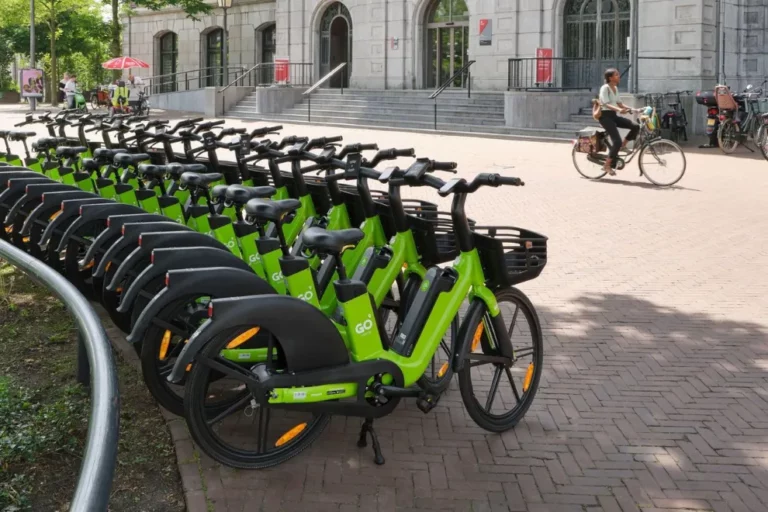
Sydney is finally moving against the shared e-bike free-for-all, and the timing says everything. As fleets multiply and footpaths turn into obstacle courses, the city is trying to do what many councils have avoided: impose order before public patience runs out. Parking zones for shared e-bikes may sound like a small operational tweak, but it is really a test of whether micromobility can scale without turning the streets into a compliance nightmare. The stakes are bigger than clutter. If Sydney gets this wrong, the backlash could slow adoption, harden regulations, and make city-backed shared transport look unreliable. If it gets it right, the city could set a practical model for balancing convenience, safety, and public space in dense urban areas. The move also raises a bigger question: can cities still welcome new mobility services without surrendering sidewalks to startup-era chaos?
- Shared e-bikes in Sydney are being pushed into designated parking zones to reduce blocked footpaths.
- The policy is part urban cleanup, part regulatory reset for micromobility operations.
- Designated parking could improve safety, but only if operators enforce rider compliance with tech and incentives.
- Sydney’s approach may become a template for other cities dealing with dockless fleet clutter.
- The real challenge is not the bikes themselves, but the rules, incentives, and enforcement around them.
Why Sydney’s shared e-bike crackdown matters
The shift toward parking zones is not just about tidier sidewalks. It is about reclaiming public space from an emerging operational model that often treats the city like an open-air warehouse. Shared e-bike systems thrive on frictionless access, but that same convenience can create chaos when riders abandon bikes in doorways, on curb ramps, or across narrow footpaths. For pedestrians, especially older residents and people with disabilities, that is not an inconvenience. It is a daily access problem.
For cities, the issue cuts deeper. Micromobility platforms are sold as low-carbon, low-congestion alternatives to cars, but they still depend on a physical footprint. Without clear parking rules, those footprints spill into public space and quickly become a political liability. Sydney’s response suggests a new phase in urban transport policy: less fascination with disruption, more insistence on discipline.
Shared mobility only works when the product experience extends beyond the rider. If the sidewalk becomes part of the chaos, the whole system loses legitimacy.
What parking zones change for shared e-bikes
At a basic level, parking zones turn an open-destination model into a managed one. Instead of allowing riders to end trips almost anywhere, operators will need to funnel returns into designated areas. That sounds simple, but operationally it changes everything: fleet distribution, rider behavior, app design, and enforcement. It also narrows the margin for error.
Done well, parking zones can reduce random clutter and make shared e-bikes more predictable for pedestrians and businesses. Done poorly, they can create new friction, especially if zones are too sparse, too far apart, or poorly integrated into trip planning. The danger is that riders ignore the system if it feels inconvenient, while operators absorb the cost of noncompliance.
The operational challenge
Micromobility platforms rely heavily on software to manage physical behavior. That means geofencing, in-app prompts, end-trip verification, and, increasingly, penalties for bad parking. A city-led parking model can make these tools more effective, but only if the rules are visible, consistent, and easy to follow. Otherwise, enforcement becomes a game of whack-a-mole.
For operators, the shift may force investment in more accurate mapping, zone detection, and customer education. For the city, it means monitoring whether zones are placed where people actually want to end trips, not just where regulators want the bikes out of sight.
Sydney shared e-bike policy and the politics of footpaths
There is a reason these disputes escalate fast. Sidewalks are among the most emotionally charged spaces in urban life. When a shared e-bike blocks a footpath, the issue is not only safety. It is a signal that the system is being managed for the convenience of riders and platforms, not everyone else. That perception can turn an otherwise useful service into a symbol of disorder.
Sydney’s move reflects a broader political reality: cities are under pressure to show that they can regulate new mobility services without banning them outright. That middle path is becoming the standard play. Complete bans are blunt and often unpopular. Unrestricted access is politically fragile. Parking zones are the compromise, a way to say yes to shared e-bikes while drawing a firmer line around public space.
The politics here are less about bikes and more about legitimacy. When a city looks incapable of managing footpaths, every future mobility rollout becomes harder to sell.
How the shared e-bike model needs to evolve
The dockless era taught the mobility industry a hard lesson: frictionless pickup is not the same thing as frictionless governance. The next generation of shared e-bike programs will need to behave more like urban infrastructure and less like a pure app service. That means designing for order from the start.
There are a few obvious fixes, and each comes with trade-offs:
- More precise geofencing: Operators can use
GPSand map constraints to define where trips can end, reducing illegal parking. - Photo-based trip completion: Requiring a rider to upload a final parking image can discourage careless drop-offs.
- Dynamic zone placement: Cities can adjust parking areas based on demand patterns instead of freezing them in one place.
- Fee incentives and penalties: Rewarding proper parking and charging for bad behavior can change rider habits faster than warnings alone.
- Accessibility audits: Zones should be tested against curb access, foot traffic, and disability access needs, not just map convenience.
The most effective systems will likely combine all of the above. No single tool solves the problem because the problem is behavioral, spatial, and administrative at once.
Why this matters beyond Sydney
Sydney is not alone. Cities around the world are wrestling with the same tension between innovation and public order. Dockless bikes and scooters promised agile urban transport, but many markets learned that convenience without structure leads to backlash. When residents see blocked crossings, cluttered sidewalks, and seemingly invisible enforcement, they stop seeing micromobility as a public good.
That matters because the climate and congestion arguments for e-bikes are real. Shared e-bikes can replace short car trips, reduce parking pressure, and widen transport access for people who do not own a vehicle. But those benefits depend on social license. Once the public decides a service is a nuisance, it becomes much easier for politicians to choke it with restrictions.
In that sense, parking zones are not a restriction on innovation. They are a survival mechanism. They help shared e-bike programs become legible to residents, manageable for councils, and defensible in the next policy fight.
Pro tip for operators and cities
If you are building or regulating a shared e-bike system, do not treat parking zones as a static map layer. Treat them as a living product. Monitor trip data, measure sidewalk complaints, track parking compliance, and revise zone placement often. The cities that win here will be the ones that iterate quickly rather than declare victory after launch.
The future of micromobility will be more controlled
Sydney’s decision hints at where the industry is headed. The early fantasy of endless dockless freedom is giving way to a more managed model, one in which cities set clearer boundaries and operators prove they can respect them. That is not a setback so much as a maturation. Mature systems are less glamorous. They are also more likely to last.
The next phase of shared e-bikes will probably look less like a revolutionary mobility experiment and more like a tightly governed utility. Expect more designated parking, stronger app-based enforcement, and more pressure on operators to show real-world compliance. Expect also a more skeptical public, one that wants the environmental upside without the sidewalk mess.
If Sydney’s approach works, it may prove a simple but important point: urban mobility does not need to be chaotic to be modern. The best transport systems are not the ones that disappear into the background. They are the ones that fit the city without forcing everyone else to move around them.
For now, the message is clear. Shared e-bikes are welcome, but not everywhere, and not at any cost. The city is drawing the line where public space begins.
The information provided in this article is for general informational purposes only. While we strive for accuracy, we make no guarantees about the completeness or reliability of the content. Always verify important information through official or multiple sources before making decisions.