Tax Refunds Surge Why 2026 Filers Are Getting More Back
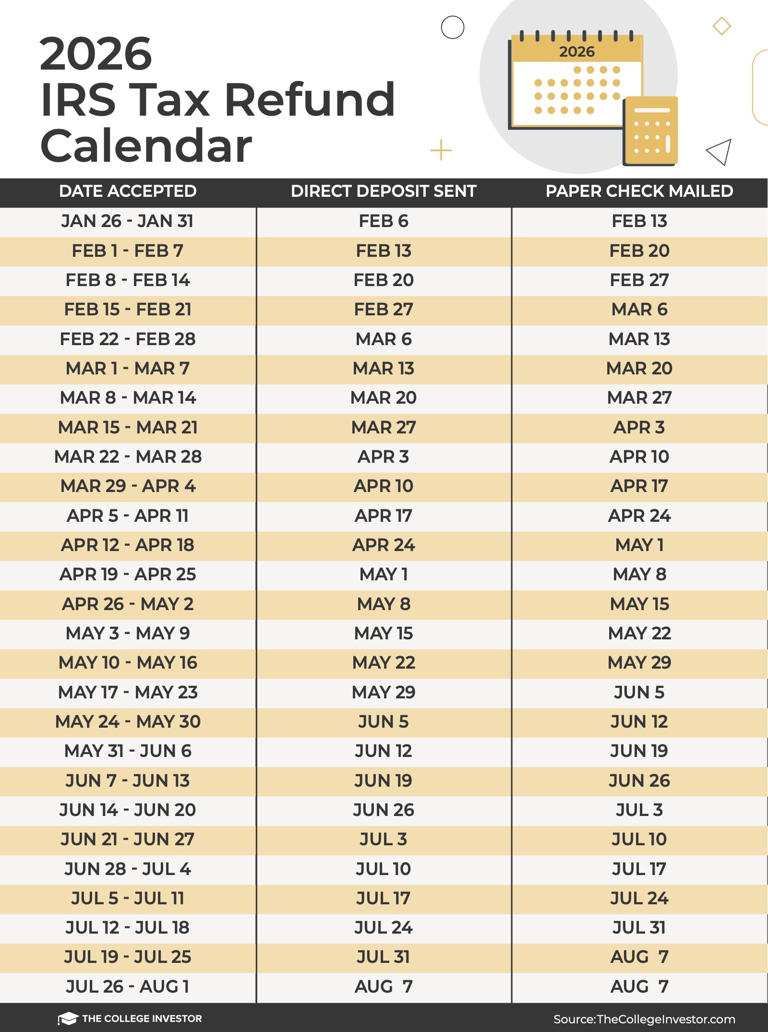
Tax refunds 2026 are suddenly fatter and faster, and that swings real purchasing power into millions of households just as rates stay sticky. The IRS issued its earliest tranche of data showing average checks climbing while direct deposit speeds trimmed days off the wait. For filers juggling elevated rents, student loan repayments, and stubborn food prices, a larger refund is no longer a nice-to-have windfall: it is the liquidity bridge for budgets stretched by pandemic-era hangovers and higher-for-longer borrowing costs. The convergence of automatic inflation indexing, expanded Child Tax Credit eligibility, and employers recalibrating W-4 withholding is rewriting the filing playbook. That means the old advice of aiming for a near-zero balance now collides with consumer behavior and macro risk. Here is what is really driving the spike, why it matters for the economy, and the smart moves to make before April closes.
- Average tax refunds are trending higher as inflation indexing and richer family credits kick in.
- Processing is faster due to expanded e-filing capacity and optimized
direct depositpipelines. - Higher refunds can juice short-term spending but mask under-withholding and cash flow fragility.
- Pro tips: adjust
withholding, leverage refundable credits, and prioritize debt paydowns once funds hit.
Why Tax Refunds 2026 Are Spiking
Three forces are driving the upswing: policy tweaks, employer payroll recalibration, and technology. Each changes how money flows from paychecks to the Treasury and back.
Inflation Indexing Rewrites the Brackets
Automatic inflation indexing pushed the 2026 brackets higher, so more income sits in lower tiers. The standard deduction rose, reducing taxable income for households that do not itemize. When withholding tables lag, paychecks do not fully reflect those lighter liabilities, yielding a bigger refund at filing. The policy goal is to maintain purchasing power; the side effect is a springtime bump in bank accounts.
Credits Pack a Bigger Punch
Temporary enhancements to the Child Tax Credit and expanded eligibility for the Earned Income Tax Credit mean families at the lower and middle bands receive more refundable dollars. Refundable status matters: once tax owed drops to zero, the remainder flows back as cash. Families with fluctuating gig income see the biggest swings.
Withholding Lags Payroll Reality
Employers updated W-4 guidance late in the year, but workers who switched jobs or added side gigs often left withholding untouched. The IRS simplified forms, yet a simplified form does not equal accurate inputs. Under-withheld gig income paired with over-withheld primary wages can produce a net refund even when side-hustle taxes are unpaid, a risky but common mismatch.
How the IRS Is Moving Faster
Cycle-time from file to refund is shrinking. The agency invested in capacity after pandemic backlogs and targeted bottlenecks.
Digital Intake Dominates
E-filing and direct deposit now handle the overwhelming majority of submissions. The IRS expanded peak-season cloud capacity for validation checks, slashing early-season delays. Paper returns still lag, but their share keeps falling, reducing the drag on average processing times.
Error Detection Upfront
Front-loaded validation catches mismatched Social Security numbers, missing 1099 entries, and ineligible credits before routing to manual review. Fewer suspense cases mean faster green lights for clean returns. The tradeoff: small discrepancies auto-adjust, and filers see surprises when the deposit hits.
Payments Flow Through Modern Rails
Batch windows for ACH deposits widened, and Treasury settlement cutoffs shifted earlier. That trims days off the timeline, especially for weekend filers. Mobile banking alerts make the arrival visible within hours, fueling the perception of a turbocharged IRS even when dollar amounts drive satisfaction more than speed.
Macroeconomic Ripples of Bigger Refunds
Higher refunds arrive amid elevated credit card balances and resurgent student loan payments. The timing matters: funds land as winter heating bills close and summer travel planning begins.
Consumption vs. Cushion
Short-term spending often spikes on essentials, then on deferred purchases like appliances or travel. Yet households carrying variable-rate debt face a strategic choice: every refunded dollar paying down a 24 percent APR card yields instant risk-free return. Economists expect a modest lift to Q2 retail sales, but the durability depends on whether refunds patch balance sheets or fuel discretionary splurges.
Banking Liquidity and Defaults
Deposits from refunds temporarily improve bank liquidity metrics and may slow delinquency growth in auto and credit card portfolios. However, if over-withholding persists, taxpayers effectively provide an interest-free loan to the government, reducing monthly cash flow that could have prevented late payments earlier in the year.
Labor Market Signals
Gig workers who see smaller refunds or surprise balances often adjust workload to cover liabilities. That can spur springtime labor supply in rideshare and delivery sectors. Conversely, salaried workers with larger refunds may delay job changes to avoid midyear withholding recalibration.
Pro Tips to Optimize Your Tax Refunds 2026 Strategy
Higher refunds are not automatic nor optimal for every household. Tactical moves now can tighten cash flow, lower audit risk, and set up next year.
Adjust Withholding Intentionally
Use the IRS Tax Withholding Estimator after your first 2026 paycheck. If you received a large refund, reduce withholding to align cash flow with liabilities; if you owed, increase it to avoid penalties. Submit an updated W-4 and rerun the estimator after any job change.
Map Credits to Life Changes
Births, adoptions, and childcare shifts can unlock thousands in refundable credits. Document expenses early and store digital receipts in a secure folder labeled with YYYY_CTC for easy retrieval. For students, coordinate 1098-T education credits with scholarships to avoid double-counting.
Pair Refunds With Debt Reduction
Before the deposit lands, queue payments to highest-interest debts. A pre-scheduled transfer to your card or variable-rate loan turns the refund into immediate interest savings. If balances are under control, route at least 10 percent to an emergency fund to break the over-withholding habit.
File Early With Clean Data
Request wage and income transcripts if employers were slow with W-2 or 1099-NEC forms. Filing early reduces identity theft risk and gets ahead of potential CP2000 notices. Ensure direct deposit details match your current bank to prevent the three-week detour of a paper check.
Looking Ahead to 2027: Will the Refund Wave Hold
Policy sunsets loom, and inflation trajectories remain uncertain. Without new legislation, several pandemic-era sweeteners phase down, pulling refunds lower for families and single filers alike.
Sunset Scenarios
If the enhanced Child Tax Credit reverts, average refunds for families could drop by hundreds. The return of tighter Pease limitations on itemized deductions for high earners would also shift withholding math for employers managing executive payrolls.
Behavioral Reset
After a year of larger refunds, households may anchor to higher expectations. A decline could suppress discretionary spending next spring. Advisors should communicate now that 2026 was an outlier driven by indexing and temporary credits.
Tech and Compliance Arc
The IRS continues its digital modernization, expanding API-driven integrations with payroll providers. Expect more real-time withholding guidance embedded in payroll portals. Faster refunds are likely to persist even if dollar amounts normalize, raising the bar for accuracy because mistakes move just as quickly.
Why This Matters for Financial Stability
Tax refunds are a pulse check on fiscal policy, household resilience, and administrative capacity. A higher average refund is superficially positive but can hide structural vulnerabilities.
Key insight: A large refund is deferred cash flow, not free money. Optimizing it means balancing liquidity today with certainty tomorrow.
For policymakers, the refund trend signals whether indexing is offsetting inflation as intended. For fintechs and banks, it is a customer acquisition moment: seamless refund advances and savings nudges can capture long-term relationships. For households, the refund is leverage – a chance to rebalance budgets strained by higher borrowing costs. Treat it as a tactical tool, not a lottery ticket.
The takeaway: celebrate the larger deposit, then act deliberately. Tune withholding so your paycheck works harder each month. Target refunds to high-impact goals. Watch how 2027 policy shapes the next season. Tax refunds 2026 offer a snapshot of an economy in transition – and a reminder that smart planning beats surprise windfalls.
The information provided in this article is for general informational purposes only. While we strive for accuracy, we make no guarantees about the completeness or reliability of the content. Always verify important information through official or multiple sources before making decisions.


