Team USA Survives Spain Scare
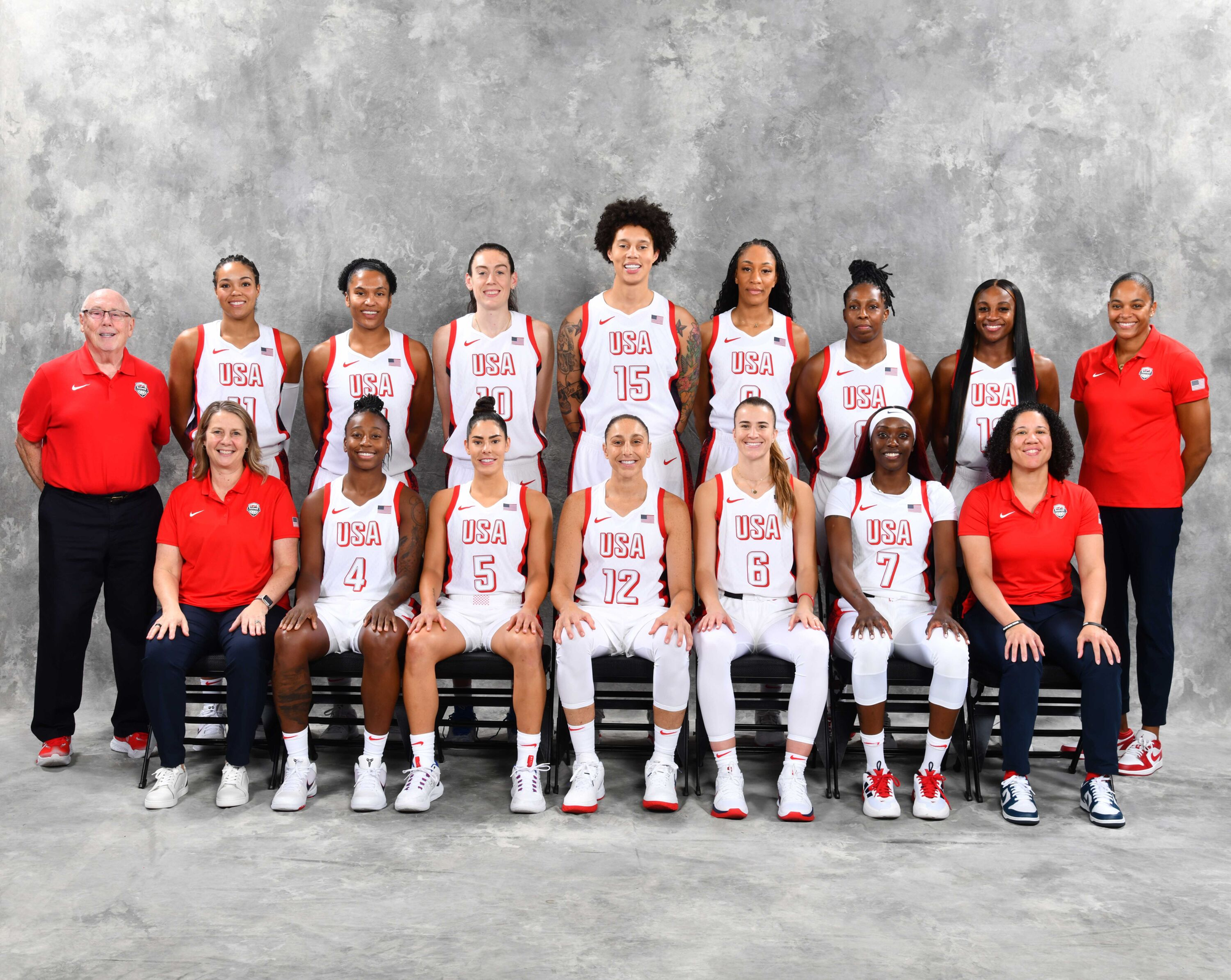
The margin between dynasty and disaster got uncomfortably thin. Team USA women’s basketball is still moving toward another FIBA Women’s World Cup title shot, but Spain forced the Americans into the kind of game that strips away aura and tests actual nerve. For three quarters, this did not look like a coronation. It looked like a warning. Spain slowed the tempo, punished loose possessions, and made the United States earn every clean look before a late fourth-quarter surge finally tilted the semifinal back toward the favorite. That is the story beneath the scoreline: Team USA survived, advanced, and reminded everyone that talent wins games only when execution catches up.
- Team USA women’s basketball reached the FIBA Women’s World Cup final after surviving a serious challenge from Spain.
- The fourth quarter changed everything, with defensive pressure and transition offense finally breaking Spain’s rhythm.
- Spain exposed issues in U.S. half-court execution, especially spacing, shot selection, and ball security.
- The win reinforced Team USA’s championship resilience, but the final will demand cleaner basketball.
Team USA women’s basketball got the scare it needed
Blowouts are useful for building confidence. Scares are useful for revealing truth. This semifinal did the latter. Team USA entered with the weight of expectation that follows every American women’s national team: win gold, win comfortably, and make dominance look procedural. Spain refused to cooperate.
That resistance matters. International basketball is not the WNBA with different jerseys. The floor spacing feels different, the officiating rhythm can be less forgiving, and national teams often carry deeper continuity than the American roster, which is usually assembled from elite players asked to become a machine on short notice. Spain used that familiarity to its advantage, leaning into discipline and patience while the U.S. tried to force the game open.
Great teams do not avoid uncomfortable moments. They metabolize them before the scoreboard turns against them.
The Americans did exactly that late. Their fourth-quarter response was not pretty in a cinematic sense, but it was revealing. Defensive pressure sharpened. Passing lanes closed. Spain’s possessions became more rushed. The U.S. stopped playing as if talent alone would eventually solve the problem and started playing with the urgency of a team that understood the upset was no longer theoretical.
How Spain disrupted Team USA women’s basketball
Spain’s game plan was not mysterious. It was disciplined, physical, and stubbornly smart. Rather than chase a track meet, Spain worked to shrink the game. The goal was to keep possessions valuable, deny easy transition chances, and force the U.S. into half-court decisions where timing matters as much as athleticism.
That approach exposed one of the few recurring vulnerabilities for Team USA: when the offense gets impatient, the ball can stop moving. The United States has so many elite shot creators that the temptation is obvious. Someone can always get a look. But against a connected defensive team, a contested look from a star is still a win for the defense if it arrives early in the clock and without paint pressure.
Spain made the Americans play in traffic
Spain’s defenders crowded driving lanes and trusted the second rotation. The U.S. still created advantages, but too many possessions became crowded and reactive. The spacing was not always clean. The pick-and-roll reads were not always quick. The weak-side movement did not always punish Spain’s help defense.
That is where international opponents can make games ugly. They cannot always match the United States player for player, but they can muddy the rhythm. Spain did not need to win every matchup. It needed to win enough possessions in sequence to make the Americans feel the clock, the moment, and the stakes.
The turnover problem was more than a box-score issue
Turnovers against Spain were not just lost possessions. They were oxygen for an underdog. Every careless pass or rushed decision gave Spain proof that the favorite could be rattled. For Team USA, ball security is not a minor detail. It is the bridge between superior talent and actual control.
When the U.S. takes care of the ball, its depth becomes suffocating. Fresh athletes keep coming. Defensive stops become fast-break pressure. The opponent’s margin for error collapses. But when the Americans feed live-ball turnovers, they hand opponents the one thing they cannot afford to give away: belief.
The fourth-quarter surge proved the champions are still here
The fourth quarter was where Team USA stopped negotiating with the game. The defense tightened first, which is exactly how this roster should close. Offense can fluctuate in a semifinal. Legs get heavy. Shots come and go. But defense is the most reliable expression of collective will, and the Americans finally imposed it when the game demanded separation.
Spain’s cleaner looks became rarer. Entry passes were pressured. Guards had to initiate offense farther from the basket. The U.S. turned defensive activity into momentum, and once transition chances appeared, the game started to look more familiar. That is the nightmare for every opponent: you spend three quarters building a careful structure, then Team USA blows a hole through it in two minutes.
The American advantage is not just star power. It is the ability to change the emotional temperature of a game almost instantly.
That is what happened here. The surge was not simply about scoring more points. It was about making Spain feel that the window was closing. Suddenly, shots that had been confident became rushed. Possessions that had been patient became cramped. Team USA did not merely pull away; it changed the terms of the game.
Why this win matters beyond the FIBA final
There is a lazy way to read this result: Team USA won, so the machine rolls on. That misses the useful tension inside the game. The semifinal showed both sides of American dominance. On one hand, the United States still has the depth, athleticism, and defensive ceiling to overwhelm even elite opponents. On the other, the gap is not so wide that poor execution can be shrugged off forever.
Women’s international basketball is improving. Spain is not a novelty threat. Other national programs have better development pipelines, more professional experience, and a clearer identity than ever before. The U.S. remains the standard, but the standard is now being chased by teams with real tactical sophistication.
That should excite fans rather than alarm them. A competitive World Cup is better for the sport, and it is better for Team USA. If the Americans want to keep owning the biggest stages, they need pressure tests like this. They need games that punish sloppy angles, casual passes, and possessions built on reputation rather than precision.
Team USA women’s basketball still controls its destiny
The most important takeaway is also the simplest: Team USA advanced. Survive-and-advance is not just a college tournament cliché. It is the heartbeat of knockout basketball. There are no style points in a semifinal that matter more than reaching the final.
Still, the coaching staff will have plenty to dissect. The film will likely focus on half-court stagnation, defensive communication before the fourth-quarter surge, and the moments where Spain dictated pace. The Americans will also want to evaluate lineup combinations that created the best defensive pressure without sacrificing offensive flow.
Here is the encouraging part: these are fixable issues. They are not talent deficits. They are connectivity problems, and connectivity can sharpen quickly when the stakes rise. The U.S. does not need a reinvention before the final. It needs cleaner possessions, stronger passing decisions, and a more consistent commitment to turning defense into offense.
Pro Tip for the final
The U.S. should treat the opening five minutes like the fourth quarter against Spain. That means pressure the ball early, attack before the defense gets organized, and avoid the kind of casual possessions that let an opponent settle in. Championship games are often shaped before the first timeout, especially when the favorite gives the underdog permission to believe.
- Defend first: Use pressure to create pace instead of relying on rushed offense.
- Value possessions: Keep the
turnover ratelow and avoid live-ball mistakes. - Move the weak side: Punish help defense with sharper cuts and quicker reversals.
- Trust depth: Keep fresh defenders on the floor and make the opponent absorb waves of pressure.
The verdict after the Spain scare
This was not a perfect performance, and pretending otherwise would be bad analysis. Spain gave Team USA a legitimate problem, and for long stretches, the Americans looked more vulnerable than expected. But the response is the point. When the game tightened, Team USA found a higher gear. When Spain threatened to turn discipline into history, the U.S. answered with pressure, pace, and poise.
That is why the semifinal should be read as both a warning and a flex. The warning: the final will punish the same mistakes if they show up again. The flex: even on an uneven night, Team USA women’s basketball had enough championship muscle to bend the game late and keep its title mission alive.
The dynasty is not sleepwalking anymore. Spain made sure of that. Now the final will reveal whether this scare was a symptom of deeper problems or the jolt Team USA needed before chasing another world crown.
The information provided in this article is for general informational purposes only. While we strive for accuracy, we make no guarantees about the completeness or reliability of the content. Always verify important information through official or multiple sources before making decisions.


