Teddi Mellencamp turns survival into a blunt dating manifesto
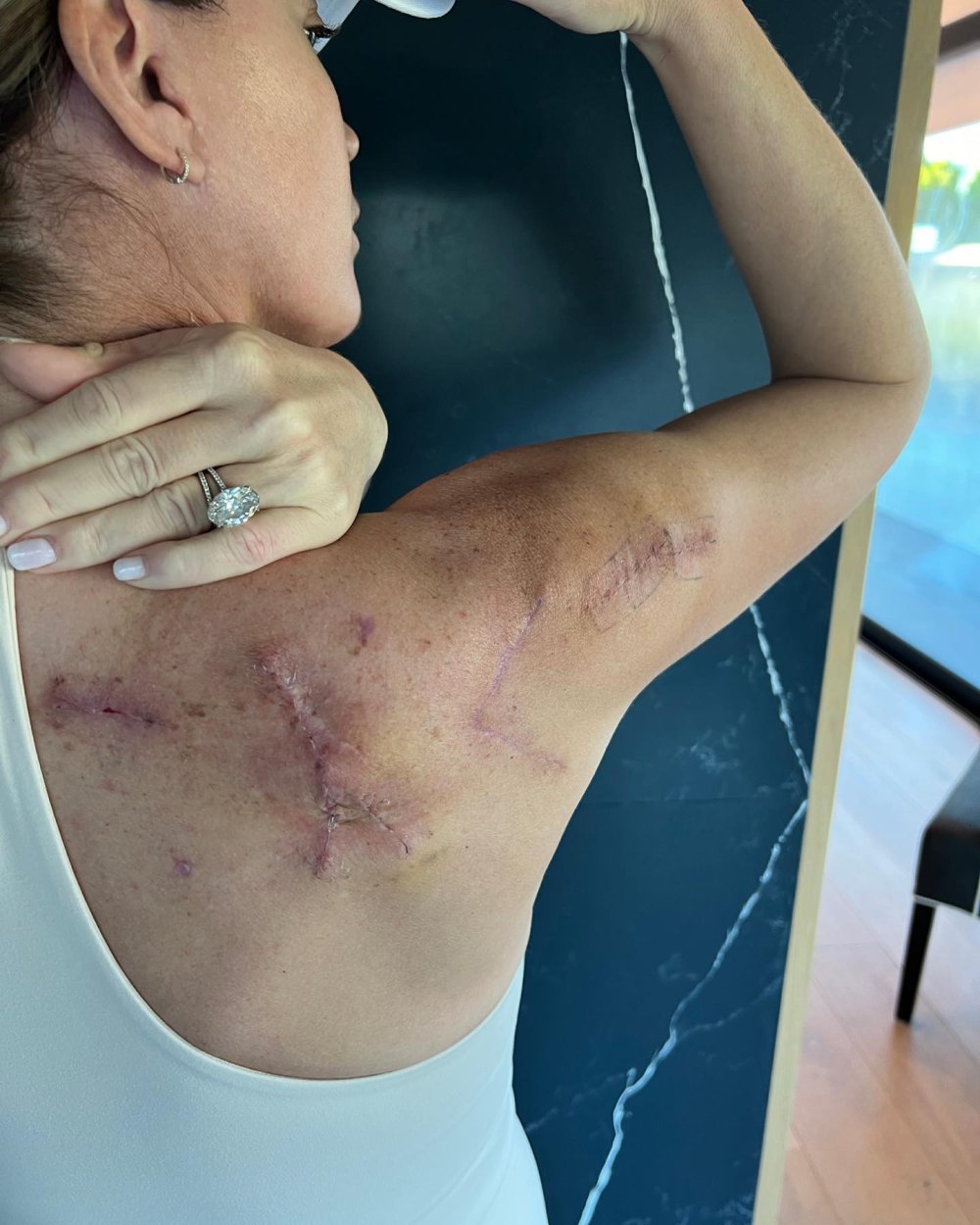
The Real Housewives alum has never been shy about inviting audiences into her turbulence, but with her latest reveal she is wielding her Teddi Mellencamp cancer journey as both shield and spotlight. Fresh off another round of melanoma treatment, she is openly dating an older man, challenging internet purity tests while recounting how facing mortality stripped away the fear of owning desire. That collision of personal health transparency and unapologetic romance is a jolt in a celebrity culture that usually sands down its edges. The question is no longer whether Mellencamp overshares, but whether her candor signals a new template for how public figures narrate survival, worthiness, and the math of time when it suddenly feels finite.
- She links her
Teddi Mellencamp cancer journeyto choosing an older partner, framing urgency as empowerment. - Her openness reframes melanoma vigilance as a lifestyle, not a footnote.
- Age-gap backlash meets a Reality TV pro who is comfortable weaponizing vulnerability.
- Her story pressures wellness influencers to move beyond curated perfection toward medical receipts and messy context.
Teddi Mellencamp cancer journey reshapes celebrity wellness narratives
Mellencamp has been cataloging her melanoma fight across social feeds and podcasts, detailing biopsies, scars, and the psychological toll of waiting on lab reports. By pulling clinical specifics like stage 2 melanoma into mainstream conversation, she turns personal crisis into a recurring headline. That transparency undercuts the glossy aesthetic of influencer wellness, where preventive medicine is often relegated to captions beneath filtered beach photos. Instead, she centers the unglamorous realities: scheduling skin checks every three months, covering up to avoid UV triggers, juggling immunotherapy consults alongside parenting.
The most striking pivot is how she links survival urgency to romantic agency. Dating an older man becomes less a tabloid gimmick and more a calculated decision by someone who views time as non-refundable. She is effectively saying that health scares give permission to discard performative timelines – a narrative shift that pushes celebrity audiences to rethink what “settling down” looks like after staring at biopsy results.
“When you have a doctor using words like ‘recurrence,’ you stop waiting for perfect and start choosing present.”
That sentiment is part defiance, part field guide. It acknowledges public skepticism while reminding followers that vulnerability can be a strategic posture.
Age-gap romance meets reality-TV honed candor
Mellencamp built her brand on blunt accountability on RHOBH and her Teddi Tea Pod. The same muscle now fuels her rebuttal to age-gap criticism. She is not positioning the relationship as rebellious performance art; she frames it as a practical alliance with someone who respects her medical non-negotiables. That includes night routines that involve inspecting healing incisions, calendar alerts for dermatopathology calls, and the emotional weight of telling three kids that their mom is waiting on scan results.
The age gap conversation usually arrives with tired tropes about power imbalance. Mellencamp flips it, implying that medical vulnerability can actually invert the dynamic. The older partner must accept her disciplined health regimen, not the other way around. In that calculus, age becomes a proxy for stability and informed consent around healthcare realities.
“I need someone who will remind me to reapply sunscreen, not question why we are leaving the beach at 3 p.m.”
That line crystallizes how she positions romance as an extension of survivorship. It is also a subtle dig at internet commentators who treat age-gap dating as a morality play rather than a logistics puzzle of medical appointments and fatigue management.
Why this matters for influencer wellness
Celebrity wellness often functions as a highlight reel of infrared sauna selfies and green-juice shots. Mellencamp injects pathology reports and surgical timelines into the feed, making prevention the headliner. That shift could pressure other influencers to elevate their own screening stories – colonoscopies, mammograms, genetic tests – instead of only sharing the glossy aftermath.
Her story also reframes what “health content” means. Instead of treating melanoma as a discreet crisis arc, she folds it into daily life: choosing long-sleeve swimsuits, selecting restaurant patios with shade, negotiating production schedules around checkups. By broadcasting those micro-decisions, she underscores that survivorship is a series of operational choices, not just motivational quotes.
Future implications: from confession to playbook
There is a path from Mellencamp’s posts to a broader cultural shift. If more public figures adopt similar candor, we could see:
More proactive screening
When a reality star walks through mohs surgery logistics, it normalizes asking dermatologists about atypical moles. Audience members might schedule their first skin mapping because someone they follow demonstrated it without flinching.
New brand expectations
Influencers partnering with sunscreen, tele-dermatology, or wearable UV sensors will face scrutiny: do they disclose their own biopsy histories? Are they integrating SPF 50 as daily behavior, not just a sponsored post? Mellencamp’s bluntness sets a bar.
Mental health visibility
She intertwines anxiety management with oncology updates, discussing sleepless nights waiting for pathology results. That opens space for followers to see therapy, medication, or mindfulness apps as tools woven into medical care instead of fringe add-ons.
Pro tips drawn from Mellencamp’s playbook
- Book recurring skin checks; set a recurring calendar block with reminders that stick.
- Photograph moles to track subtle changes; store them in a secure
cloudfolder to compare over time. - Choose partners and friends who respect post-surgery limitations and recovery rhythms.
- Pair outdoor plans with UV strategy: shade-first seating, hats, and reapplication timers.
- Share screening stories within your circle; normalize talking about biopsies the way we talk about workouts.
Teddi Mellencamp cancer journey as cultural case study
What makes this narrative sticky is less the headline about dating an older man and more the way she packages medical fragility as a filter for every decision. The Teddi Mellencamp cancer journey is the throughline that legitimizes her choices, from romance pacing to career pacing. She is effectively stress-testing the boundaries of parasocial relationships: if followers are invested in her kids and her workouts, they also get the scar updates and the onco-derm vocabulary.
It is a calculated risk. Oversharing can fatigue audiences, yet withholding can look disingenuous after years of transparency. Mellencamp opts for saturation, betting that modern fandom rewards specificity. When she spells out the exact number of wide excision procedures, she is granting viewers a front-row seat to the costs of ignoring sunscreen in earlier years.
Editorial stance: the upside and the unease
There is merit in celebrating someone who uses visibility to push preventive care. Her unapologetic dating choice underscores that illness does not suspend desire. However, the constant translation of medical events into content risks trivializing the gravity of cancer as just another storyline. The tighter she braids love, health, and clicks, the more she must balance authenticity against performative vulnerability.
The age-gap element is also worth probing. While she frames it as a maturity play, it still exists in a culture where older-men-younger-women dynamics carry baggage. Her defense hinges on agency born from mortality awareness, but that justification may not quiet critics who see power asymmetry regardless of context.
“Mortality turned me into my own executive producer,” she signals, and the audience is left to decide whether that production is empowering or exhausting.
What readers can take forward
Strip away the celebrity sheen and the blueprint is clear: schedule your screenings, narrate your needs, and choose partners who honor the medical non-negotiables. Mellencamp’s story is a reminder that survivorship is not a pause button; it is a rewrite of priorities. In a feed economy trained to flatten nuance, her insistence on showing stitches and sunscreen timers could move the needle on melanoma awareness more than any PSA.
For those managing their own diagnoses, the takeaway is not to mimic her publicity cadence but to recognize that health truth-telling can be a form of control. For those critiquing her dating life, consider how facing recurrence risk compresses timelines and recalibrates “right now” decisions.
Bottom line
Teddi Mellencamp is turning personal crisis into a public manifesto on urgency, partnership, and medical transparency. It is messy, occasionally polarizing, and deliberately unsanitized. That mix might be exactly what pushes the influencer economy to grow up – to treat melanoma and romance with equal parts curiosity and respect, and to accept that survival stories rarely fit tidy arcs.
The information provided in this article is for general informational purposes only. While we strive for accuracy, we make no guarantees about the completeness or reliability of the content. Always verify important information through official or multiple sources before making decisions.