Textron Systems Buys Slidell Property
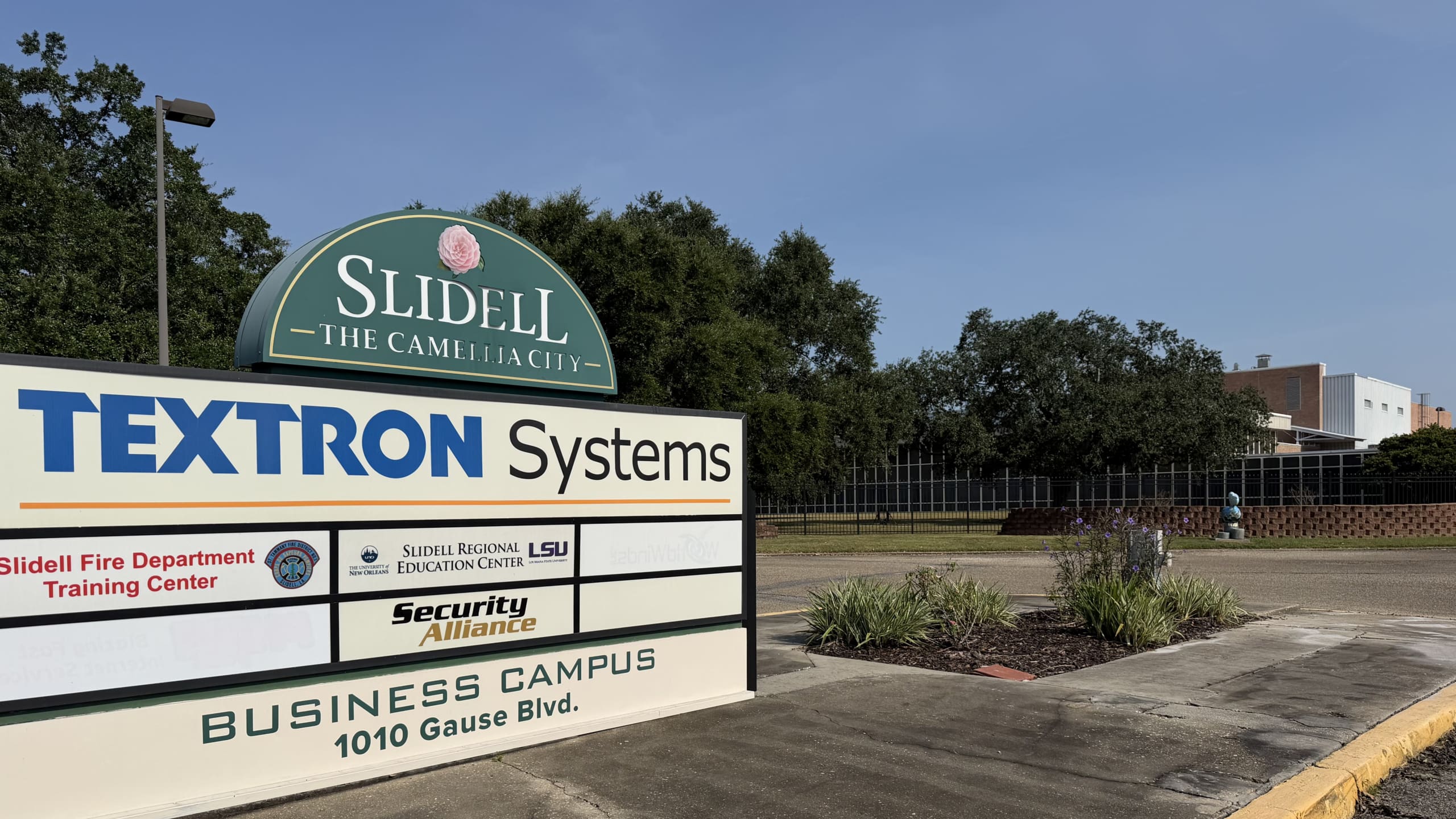
Textron Systems Buys Slidell Property
Textron Systems’ decision to purchase property in Slidell is more than a local real estate move. It is a signal that defense contractors still see Gulf Coast industrial land as strategic infrastructure, not just cheap acreage. For a company that lives at the intersection of national security, advanced manufacturing, and supply chain pressure, the choice of where to plant a flag matters. Slidell sits close enough to New Orleans’ industrial ecosystem to benefit from regional logistics, but far enough from the city center to allow for growth, security, and large-footprint operations. That combination is exactly what modern defense manufacturing increasingly demands. If the purchase leads to expansion, it could reshape hiring, subcontracting, and long-term investment patterns across the Northshore.
- Textron Systems’ property purchase in Slidell points to long-term industrial planning, not a short-term land grab.
- The move highlights how defense firms are prioritizing logistics, security, and room to scale.
- Regional suppliers, contractors, and labor markets could benefit if the site develops into an operating facility.
- The deal underscores a broader trend: defense manufacturing is increasingly chasing flexible, resilient locations.
Why Textron Systems’ Slidell property purchase matters
Textron Systems is not the kind of buyer that shops for property on a whim. When a defense contractor acquires land, the move often reflects a mix of operational planning, future capacity needs, and long-range market confidence. That is why the Textron Systems Slidell property purchase deserves attention. The headline is local, but the implications are national. Defense suppliers are under pressure to modernize facilities, shorten production timelines, and keep sensitive work in secure environments. Real estate is now part of that strategy.
Slidell offers something increasingly rare: available industrial space in a region connected to ports, highways, and a deep manufacturing workforce. For a company like Textron Systems, that matters as much as the building itself. A property purchase can preserve optionality, allowing the company to phase in development based on contracts, demand, and hiring conditions. That is a smart hedge in a market where defense budgets can be robust, but execution timelines are never simple.
Defense manufacturing is no longer just about machines and contracts. It is about geography, resilience, and the ability to scale without getting trapped by crowded urban land or fragile logistics.
What this says about defense manufacturing in Louisiana
Louisiana has long sold itself as an industrial state, but the pitch is evolving. Energy, shipping, and petrochemicals still define much of the landscape, yet defense and aerospace are becoming more visible pieces of the puzzle. A purchase like this reinforces the idea that the Gulf South remains attractive to advanced manufacturers looking for room, connectivity, and a business climate that can support capital investment.
For defense firms, Louisiana and nearby markets offer a practical advantage: access to ports, major transportation corridors, and a labor pool with experience in fabrication, logistics, maintenance, and heavy equipment. The state also understands the politics of industrial recruitment. Local governments often compete aggressively for employers that can deliver higher-wage jobs and long-term tax base growth. A company like Textron Systems can use that to its advantage while also shaping its own expansion timeline.
Industrial land is the new strategic asset
In the current manufacturing cycle, land is not passive. It is a competitive advantage. Companies want sites that can accommodate secure fencing, storage yards, assembly lines, testing space, and future buildout. That is especially true in defense, where product categories can span autonomous systems, tactical vehicles, and mission equipment. A parcel with expansion potential may be more valuable than a fully built but cramped facility.
The Textron Systems Slidell property purchase fits that logic. Whether the company ultimately builds immediately or holds the site for future use, the acquisition itself suggests a desire to control its own physical footprint instead of relying on constrained leased space. In an era of supply chain disruptions, that control can be worth more than the headline purchase price.
Textron Systems Slidell property purchase and the regional economy
The first question after any industrial land buy is simple: what comes next? If the site becomes an active facility, the ripple effects could be meaningful. Construction spending usually comes first, followed by engineering, trades, and vendor contracts. Then come the long-tail gains: operations staff, maintenance work, compliance support, and recurring local purchases.
That kind of activity matters in St. Tammany Parish and the broader Northshore economy. Industrial jobs tend to pay better than many service-sector roles, and they often support a wider supplier network. Even if the company never turns the parcel into a giant factory, the purchase can still change how the area is perceived by investors and site selectors. One well-placed industrial transaction can make a corridor feel more viable for the next employer.
Jobs may follow, but not automatically
It would be premature to treat the purchase as a guaranteed hiring boom. Companies often buy property to secure strategic flexibility rather than to announce immediate headcount growth. That said, defense firms do not typically sit on land without a purpose. The more important question is whether the site supports manufacturing, test operations, logistics, or office functions tied to larger programs.
For local workers, the real opportunity lies in the ecosystem around the site. Contractors, electricians, welders, machine operators, logistics firms, and security providers often benefit before the full facility is even operational. If Textron Systems pushes forward, the area could see demand for specialized labor well beyond the company’s payroll.
How to read the move like an industry insider
If you strip away the corporate jargon, the playbook looks familiar. A defense company identifies a region with room to grow, buys property, and preserves the ability to respond quickly when contracts or production needs align. That approach is especially common now because companies are trying to avoid the delays that come with permitting, construction bottlenecks, and tight industrial vacancy rates.
Here is the practical way to interpret a move like this:
- Control the land first: Ownership gives the company leverage over timeline, design, and future use.
- Protect against capacity constraints: Defense production often cannot wait for the perfect site to open up later.
- Signal commitment without overpromising: A purchase can show seriousness before public-facing expansion plans are finalized.
- Leave room for multiple outcomes: The same parcel can support manufacturing, warehousing, test operations, or administrative growth.
That flexibility is not accidental. It is a response to a market where procurement cycles are unpredictable and industrial real estate is increasingly contested. Companies that wait may find themselves boxed out of the best sites.
Why this matters for the broader defense sector
The defense industry is quietly undergoing a physical reset. For years, companies leaned heavily on outsourcing, just-in-time logistics, and compact footprints. That model looks less attractive now. Global instability, tighter supply chains, and the need for faster production have pushed firms toward more resilient, more controllable operations. Property acquisition is part of that shift.
From a strategic perspective, the Textron Systems Slidell property purchase is a reminder that industrial land is becoming a competitive moat. It helps a company secure access to labor, proximity to suppliers, and operational independence. It also gives management more room to align facility planning with contract wins instead of racing the clock after a deal is signed.
If the last decade was about efficiency at any cost, the next one looks like it will reward resilience, redundancy, and real physical capacity.
That matters far beyond one company. When defense contractors invest in sites like this, they influence where engineering talent clusters, where subcontractors locate, and which communities become part of the national security supply chain. Real estate decisions can quietly shape industrial policy.
What to watch next
The next phase will tell us whether this was a defensive land grab or the first step in a larger buildout. Watch for permit activity, environmental filings, site preparation, and local hiring signals. Those are the breadcrumbs that often reveal a company’s real intentions before a formal announcement lands.
Investors and local officials will also be looking for clues about the type of work Textron Systems may bring to Slidell. Manufacturing? Storage? Support operations? Testing? The answer will determine whether the site becomes a modest back-office asset or a meaningful industrial anchor. Either way, the move adds weight to the idea that the Northshore is no longer just a residential spillover zone. It is a place where major industrial bets can still be made.
The bottom line on Textron Systems Slidell property purchase
The Textron Systems Slidell property purchase is significant because it sits at the intersection of defense strategy, industrial real estate, and regional economic development. On the surface, it is a property transaction. Underneath, it is a bet on flexibility, future capacity, and the continued relevance of Gulf Coast manufacturing. That is the part worth watching.
For Slidell, the upside could include jobs, construction spending, and a stronger profile as an industrial destination. For Textron Systems, the upside is control: over land, timing, and options in a sector where those things are increasingly scarce. In a market that rewards preparedness, owning the dirt can be just as important as owning the contract.
The information provided in this article is for general informational purposes only. While we strive for accuracy, we make no guarantees about the completeness or reliability of the content. Always verify important information through official or multiple sources before making decisions.