Ticketmaster Monopoly Verdict Shakes Live Events
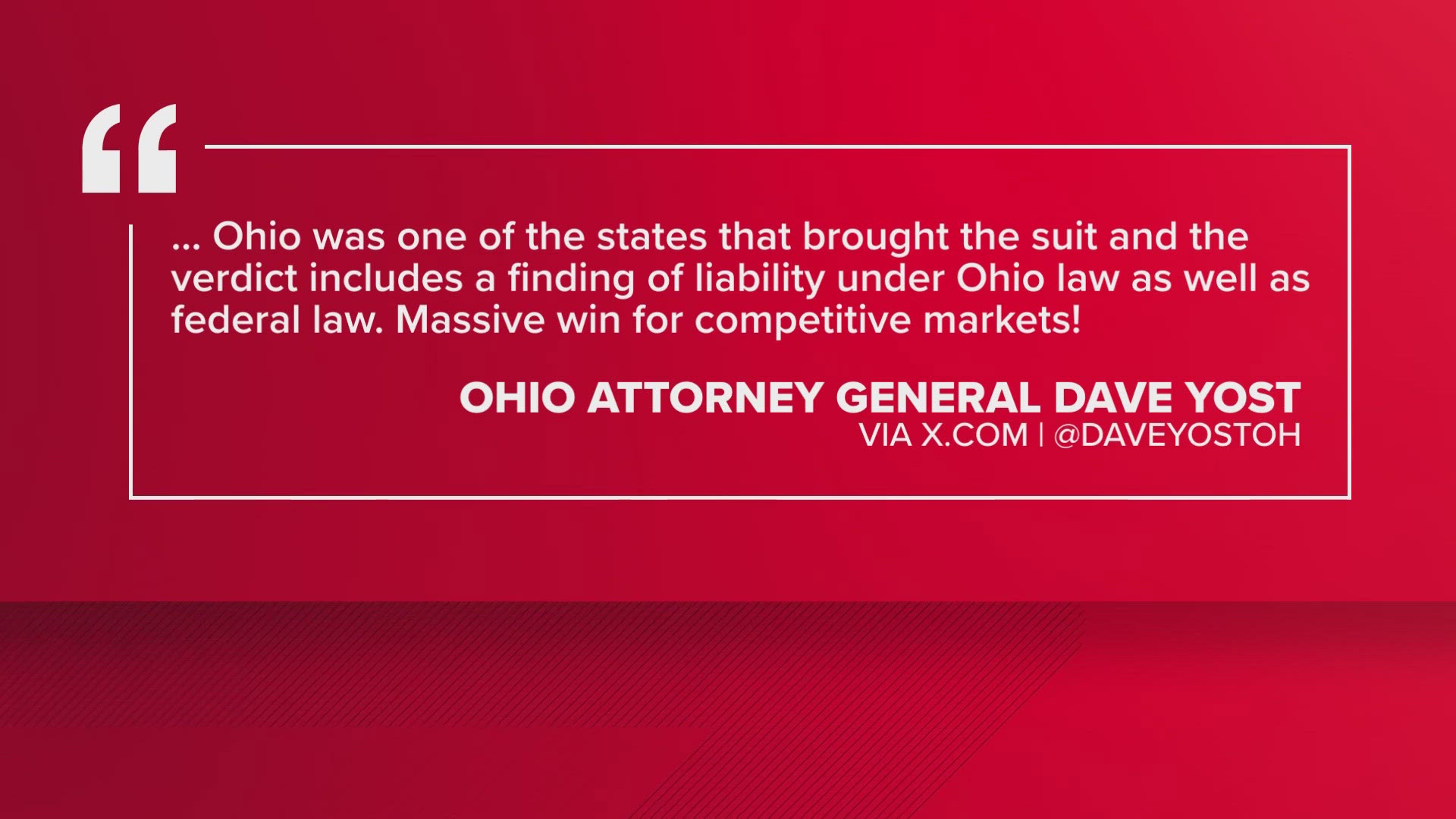
The Ticketmaster monopoly verdict is more than a courtroom headline. It is a warning shot aimed at the machinery behind modern live entertainment. If you have ever watched a $75 seat turn into a $120 checkout total, this case is about you. If you are an artist or venue manager, it is about whether the industry’s biggest gatekeeper can keep bundling power, data, and distribution into one hard-to-escape package. A US jury finding that Ticketmaster and Live Nation held anticompetitive power does not instantly break the system, but it puts the system on trial. The result could alter how concerts are sold, how venues bargain, and how much leverage one company can squeeze out of scarcity.
- The big story: The verdict challenges the market structure behind ticketing, not just one fee line.
- The fan impact: Checkout surprises, bundled charges, and opaque pricing are now under sharper scrutiny.
- The industry impact: Venues and artists may gain more leverage if the dominant platform weakens.
- The policy impact: Regulators have a stronger opening to press live entertainment on
market powerandexclusive contracts.
Why the Ticketmaster monopoly verdict matters now
Live events are already a lesson in controlled scarcity. There are only so many seats, only so many presales, only so many weekends on the calendar. That scarcity should reward better service and smarter packaging. Instead, it has often rewarded the company that can sit closest to the inventory and control the checkout. The verdict matters because it challenges the idea that such dominance is just the price of doing business.
That is also why the case resonates far beyond concerts. The same logic can appear in sports, theater, and conference ticketing. When one platform becomes the default, it can turn routing, data, and contract terms into a moat. Fans may just see the fee. Regulators see the infrastructure behind it. That difference is everything.
The real question is not whether Ticketmaster is famous. It is whether fame became a shield for
market power.
Competition law is not supposed to punish scale by itself. It is supposed to intervene when scale stops acting like competition and starts behaving like a toll booth. That is why this verdict lands with such force. It says the live events business may have crossed from efficient into extractive.
How the Ticketmaster monopoly verdict grew
One platform, many choke points
Ticketing looks simple from the outside. A fan buys a ticket, a venue fills a seat, and the show goes on. Underneath, though, the system depends on software, venue relationships, marketing tools, access to consumer data, and contract terms that can be hard to unwind. Once those pieces are stitched together, a rival is not just selling a product. It is trying to untangle a network.
That network effect matters because it changes the nature of competition. A smaller rival can build a cleaner interface or lower fees, but if it cannot access the same inventory or distribution paths, it is competing from the outside while the incumbent is already inside the room.
The venue lock-in problem
This is where exclusive contracts matter. Venues often sign with the dominant provider because it promises scale, support, and fewer headaches on sale day. But long-term arrangements can also limit experimentation. If a venue cannot easily test another platform, the incumbent does not have to win every time. It just has to remain the safest default.
That is how convenience turns into dependency. A platform can begin as a tool and end as an obligation. Once a venue believes a switch could disrupt sales, marketing, or reporting, the cost of moving rises even if the service itself has not improved.
Why competitors struggled
New entrants face a brutal reality: they must convince not only buyers, but also promoters, artists, and venue operators that switching is worth the risk. That is expensive. It is slow. And it is often blocked by habits that look harmless until you try to replace them. That is why antitrust lawyers keep circling the live events business. The barriers are not always visible, but they are deeply felt.
Live Nation’s integration with Ticketmaster has long been controversial because it blends promotion, venue relationships, and ticket distribution. That kind of vertical integration can be efficient. It can also make it far easier to steer the market than to compete in it. When a company controls several layers of the funnel, it can shape outcomes before the customer even sees a seat map.
What could change next
The verdict itself is not the finish line. Appeals may follow. Remedies may take time. And if the court eventually forces changes, the first versions may be modest. Still, even modest changes can matter if they loosen the grip on pricing and access.
Watch for three likely pressure points: tighter limits on bundled deals, stronger disclosure of fee structures, and more scrutiny over whether one company can occupy so many roles in the chain. None of those fixes guarantee cheaper tickets tomorrow. But they can force the market to become more honest about where value is actually being created.
There is also a bigger fork in the road. Behavioral remedies ask a dominant company to act better. Structural remedies ask the market to work differently. The first can look dramatic and still leave the architecture intact. The second is harder, slower, and much more disruptive. If regulators think the problem is the structure itself, then this case is only the opening round.
- For fans: More pressure for clearer pricing and fewer surprise fees.
- For artists: Better odds of negotiating terms that do not route every decision through one gatekeeper.
- For venues: More leverage to test vendors and demand better service.
- For regulators: A stronger case for treating live entertainment as critical market infrastructure.
If the remedy is only a financial penalty, the business model survives. If the remedy changes who can control distribution, the verdict becomes a market event.
What fans and promoters should watch
For fans, the smartest move is to stop treating the sticker price as the whole story. Check the total at checkout. Compare presales when possible. Notice whether the same venue keeps routing every show through the same pipeline. That is where the real cost often hides. Fees are not just add-ons. They are signals about how concentrated the market has become.
Promoters and venue managers should ask a harder set of questions. What is the true cost of staying with the incumbent? What flexibility is lost when the contract also controls data, promotions, or access to buyers? A market only works when someone can leave it. If leaving is too expensive, choice is mostly theater.
- Track how many steps sit between the artist and the checkout page.
- Audit fees separately from the base ticket price.
- Ask whether the venue is locked into a bundled deal.
- Pressure promoters to explain why one vendor still dominates.
Pro tip: If you are a frequent buyer, keep a running log of total costs, not just face value. Over time, the pattern tells you more about pricing power than any single show does.
The bigger business lesson
This case lands because it exposes a pattern that shows up across modern commerce. The strongest monopolies rarely look flashy. They look necessary. They look like logistics, software, or settlement layers that everyone has simply agreed not to question. That is why these cases often arrive late, after a market has spent years normalizing friction as convenience.
For live entertainment, the real prize is not revenge on one company. It is restoring the possibility of choice. More entrants. More transparency. Less bundling. Better odds that a fan sees the actual cost of a ticket before the purchase becomes irreversible. That is what a healthy market looks like. And that is why the Ticketmaster monopoly verdict matters well beyond one courtroom. If the ruling survives the next legal fight, it could become a blueprint for how regulators challenge entrenched platforms that have turned access into leverage.
The industry now faces an uncomfortable but useful question: is live entertainment still a market, or has it become a managed corridor? The answer will shape what fans pay, how artists route their tours, and how much power one company can keep hiding behind the phrase industry standard.
The information provided in this article is for general informational purposes only. While we strive for accuracy, we make no guarantees about the completeness or reliability of the content. Always verify important information through official or multiple sources before making decisions.


