TikTok Faces a US Ultimatum Over Data Sovereignty
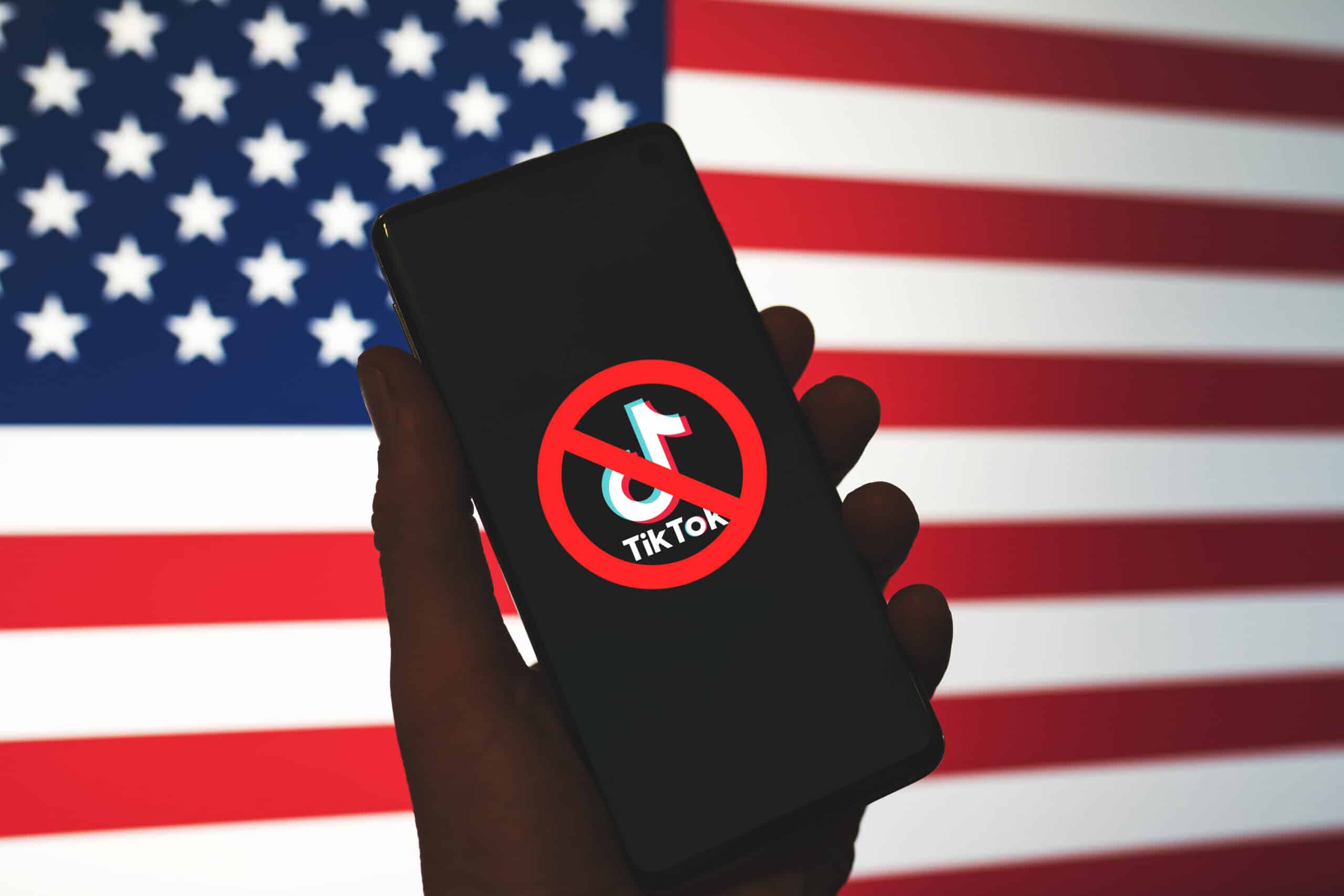
The fight over the TikTok US ban is no longer speculative hype. With a sell-or-block ultimatum moving through Washington, creators, advertisers, and engineers are bracing for a platform shock that could reshape how social apps operate inside geopolitical borders. ByteDance insists its recommendation engine is walled off, but lawmakers argue that algorithmic access and data residency are inseparable. What happens in the next few months will define whether a Chinese-owned network can keep 170 million American users, or whether forced divestiture becomes the new template for governing cross-border code and cloud.
- Legislation ties a
TikTok US banto divestiture, weaponizing market access to enforce data sovereignty. - Creators face revenue cliffs while ad buyers plan for reallocations across
Reels,Shorts, and programmatic video. - Technical decoupling would demand a separate
algorithm,data lake, andMLops stack inside US borders. - The showdown previews a fragmented internet where compliance is enforced at the code and infrastructure layer.
TikTok US ban timeline: How the ultimatum hardened
Early hearings framed TikTok as a national security risk because user data and the all-important For You algorithm sit inside a China-based corporate structure. That framing has evolved into legislation that pairs a ban with a divestiture demand, pushing ByteDance to offload US operations or exit the market. The company counters that the app already routes American data to Oracle-run servers under Project Texas, but lawmakers see that as a halfway measure that leaves intellectual property and code control unresolved.
From data fears to code sovereignty
US officials argue that even if raw user data is stored locally, a parent company under Chinese jurisdiction could be compelled to change moderation rules or tweak ranking signals. In other words, control of the model weights and the ranking stack is the real prize. That flips the debate from privacy to code sovereignty – who controls the software that decides what 170 million people watch every day.
“Data localization without code control is security theater. The algorithm is the lever,” notes a former FCC official who now advises cloud vendors.
What forced divestiture would really mean
Building a standalone US TikTok is not as simple as moving a database. ByteDance would need to transfer core IP, fork the codebase, and recreate its ML pipeline without shared telemetry flowing back to Beijing. That is a multi-quarter engineering program with existential revenue on the line.
Rebuilding the recommendation engine
The magic of TikTok is the feedback loop between the data ingestion layer, the feature store, and the model training stack. Severing that loop requires a US-controlled data lake, isolated feature engineering workflows, and a fresh set of model weights trained on domestic signals. Any slip could degrade relevance, driving users to rival feeds that already mirror TikTok UX.
Infrastructure and trust by design
Operationally, a divested entity would need clean-room audits to prove no hidden backdoors. Expect third-party code review, reproducible build pipelines, and SBOM reporting to become part of the deal. That adds cost and latency but becomes the cost of retaining market access in a geopolitically sensitive vertical.
Creator economy on a revenue cliff
For creators, the risk is immediate. Every week of uncertainty pauses brand budgets and slows affiliate campaigns. Short-form ecosystems are notoriously fickle: viewers chase novelty, and creators follow monetization. If an enforced TikTok US ban triggers downtime or a degraded feed, expect a migration wave to Reels, YouTube Shorts, and emerging AI-driven clip platforms.
Ad buyers are already hedging
Major advertisers have contingency spreadsheets ready. Most can shift spend within days because creative assets are reusable across vertical video formats. The bigger friction is measurement: TikTok’s pixel and conversion API have matured quickly, and competitors still show tracking gaps for lower-funnel outcomes. A forced pivot could temporarily raise customer acquisition costs as brands recalibrate.
Pro Tip: Diversify your stack now
Creators should export their TikTok catalogs, mirror audiences to email and SMS, and rehearse publishing cadences on at least two rival channels. Brands should pre-approve alternative influencer rosters and test attribution setups across MMM and incrementality studies to keep spend moving even if APIs change overnight.
ByteDance’s options narrow fast
ByteDance can sue, sell, or retreat. Litigation might buy time but not certainty. Selling raises thorny IP questions: does the recommendation IP go with the deal, or does the buyer license it? A retreat would concede a massive market and signal weakness that other regulators could exploit.
Possible buyers and technical inheritance
Potential acquirers range from US media conglomerates to private equity, but any buyer would need to absorb TikTok’s cloud footprint, moderation workforce, and ad stack. Migrating off ByteDance-operated tooling to a US-owned cloud could take months and risk outages. Without the original training data or engineers who understand the ranking subtleties, performance could crater.
Licensing vs. full transfer
A licensing deal might let ByteDance keep the core algorithm while granting US operators rights to run it locally. That still raises inspection hurdles – regulators will demand visibility into source control, CI/CD pipelines, and API access logs to verify no remote changes slip through.
Global ripple effects: A blueprint for platform geopolitics
Whatever happens will be studied by Brussels, Delhi, Jakarta, and Brasilia. If Congress forces a sale, expect other governments to copy-paste the template for any app that crosses their red lines. The precedent could fragment the internet into jurisdictional enclaves where code and data must stay inside national boundaries.
Why this matters beyond TikTok
Every cross-border platform is watching. Messaging apps with end-to-end encryption, cloud vendors managing multi-tenant workloads, and game studios running live-ops servers could all face similar demands. The conversation shifts from voluntary compliance to compelled code transfer.
The operational cost of fragmentation
Running region-specific stacks kills economies of scale. Companies may need parallel DevOps teams, duplicated observability pipelines, and localized moderation policies. That raises capex and drags innovation velocity, especially for startups that cannot afford multi-region engineering squads.
Security claims vs. political optics
Critics argue the security case is thin because no public evidence shows TikTok data misuse at scale. Supporters counter that the combination of Chinese jurisdiction and opaque algorithms is risk enough. The truth sits between technical possibility and political theater.
What “risk” means in practice
Real risk is not just raw data exfiltration; it is subtle influence through recommendation tweaks. Even minor changes to ranking parameters can amplify or mute narratives during elections. Proving or disproving that requires deeper access to code and telemetry than TikTok has offered. Until that transparency exists, policymakers may default to worst-case assumptions.
Optics drive timing
The legislative push accelerates ahead of election cycles, when appearing tough on security polls well. That timeline may override slower, evidence-based audits. For TikTok, the political clock is now louder than the technical debate.
Mainstreet impact: Users, culture, and the next platform shift
Users might not care who owns TikTok until their feed breaks. But a messy migration could disrupt the cultural engine of memes, music discovery, and micro-communities. Startups built on TikTok-driven demand – from drop-shippers to indie labels – will need new growth channels.
Expect format convergence
If TikTok stumbles, rivals will double down on TikTok-native features: simplified editing, AI captioning, and tighter creator funds. The short-form format is now table stakes. The real differentiation will be transparency and control over algorithmic feeds.
Future-proofing your audience
- Archive content locally and in interoperable formats.
- Build owned channels via
email,SMS, andweb push. - Test multi-platform publishing tools with
APIaccess to Reels and Shorts. - Track performance using first-party analytics instead of platform-only dashboards.
Outlook: Can TikTok thread the needle?
TikTok’s best-case scenario is a structured divestiture that preserves algorithm performance and creator trust. Worst case is a hard ban that freezes a core cultural venue and hands rivals a captive audience. Either outcome will redefine how lawmakers police foreign-owned code, and how platforms architect their stacks for geopolitical resilience.
“The days of one global stack are ending. Build for sovereignty now, or regulators will refactor your architecture for you,” says a cloud CTO advising media clients.
The TikTok US ban debate is a turning point. It tests whether democracies can balance open markets with national security without erasing the connective tissue of the internet. Whatever the verdict, the new playbook for cross-border platforms is clear: ship with transparency, local governance, and the expectation that code itself is now a political actor.
The information provided in this article is for general informational purposes only. While we strive for accuracy, we make no guarantees about the completeness or reliability of the content. Always verify important information through official or multiple sources before making decisions.