Tornado Alerts Demand Faster Action
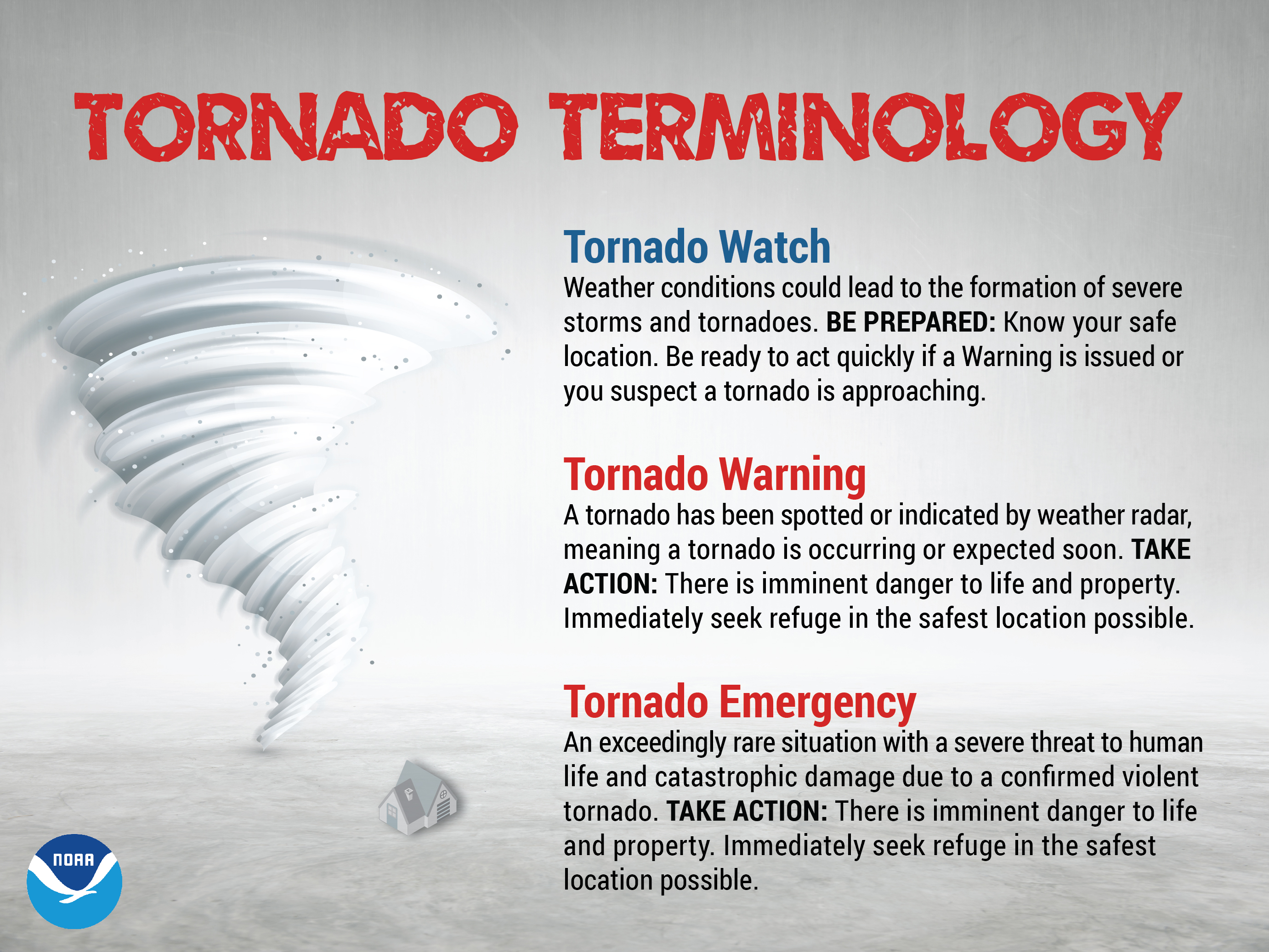
Tornado Alerts Demand Faster Action
Tornado alerts are supposed to buy people time, but that promise is getting harder to keep as storms intensify and warning fatigue spreads. When a fast-moving system tears across Illinois, Wisconsin, and Indiana, the real issue is not just the weather itself – it is whether the alert reaches people fast enough, clearly enough, and in a form they actually trust. That is the pressure point now. Emergency managers, forecasters, and local officials are all working with a warning stack that was built for a different pace of risk. The result is a familiar but unsettling gap: advanced meteorology on one side, human hesitation on the other. Closing that gap is becoming one of the most urgent public safety problems in America.
- Severe weather is stressing the tornado warning system from forecast to public response.
- Speed matters, but clarity and trust matter just as much when alerts hit phones.
- Communities need redundant alert channels, not just one notification method.
- The next generation of tornado alerts will likely depend on better data, automation, and behavior design.
Why tornado alerts are under pressure now
The core challenge with tornado alerts is simple to describe and hard to solve: tornadoes can form, shift, and dissipate with very little notice. That makes the window between detection and danger brutally small. Modern radar, spotters, and modeling tools have improved dramatically, yet the public still experiences a familiar pattern – a buzzing phone, a TV graphic, maybe a siren, and then a decision that has to be made in seconds.
That decision is not purely informational. It is emotional, logistical, and often compromised by context. Is this warning real? Is the basement accessible? Are the kids at school? Is this another false alarm? Those questions shape outcomes more than many officials want to admit. And as severe storms grow more frequent and more intense, people are being asked to respond repeatedly under uncertainty. That is a design problem, not just a forecasting one.
Warning systems fail when they assume the message is the finish line. For most people, that is the beginning of a very human scramble.
Tornado alerts and the trust problem
Public safety experts have spent years improving the mechanics of alert delivery. Yet the most stubborn obstacle is trust. If people have heard too many warnings that did not lead to visible danger, they start discounting the next one. That is dangerous because tornadoes are exactly the kind of threat where hesitation can be fatal.
This is where tornado alerts need to be smarter about communication, not just faster. A better alert does more than say “Take shelter now.” It explains the level of confidence, the expected path, the specific timeline, and what action is most protective in the next few minutes. Clarity cuts through confusion. Specificity builds credibility.
What makes a warning more actionable
- Location precision: People need to know whether they are in the path, not just in the region.
- Timing detail: Even a rough estimate of arrival time helps people prioritize action.
- Action guidance: The alert should tell people where to go and what to avoid.
- Consistency across channels: Phone alerts, sirens, TV crawls, and weather apps should reinforce one message.
The technology behind tornado alerts
Behind every emergency notification is a chain of systems that must work together: weather radar, model interpretation, alerting infrastructure, wireless carrier delivery, app push notifications, and local emergency management. If one link lags, the whole system loses value.
Forecasters now rely on increasingly sophisticated data streams, including machine learning-assisted pattern detection, improved radar interpolation, and faster dissemination pipelines. But the last mile still matters most. A clean forecast means little if a phone is on silent, a person is asleep, or a community has poor connectivity.
This is why redundancy is essential. A resilient warning system should not depend on a single delivery method. It should use layered communication:
Wireless Emergency Alertsfor immediate mobile disruptionNOAA Weather Radiofor continuous local monitoringOutdoor sirensfor broad neighborhood signalingLocal broadcast interruptionsfor households already tuned inWeather app push alertsfor contextual follow-up
Each layer solves a different failure mode. Together, they reduce the odds that a warning disappears into the noise.
Why this matters beyond one storm
The broader issue is that extreme weather is becoming a systems problem. Tornadoes do not just threaten homes. They test communications networks, school procedures, hospital readiness, transit decisions, and the reliability of every public-facing alert tool. When warnings are late, inconsistent, or ignored, the consequences ripple through entire communities.
That is why tornado alerts are no longer just a meteorology story. They are a public infrastructure story. Cities and counties that invest in better alert workflows, local education, and backup communication tend to bounce back faster and lose fewer lives. Communities that treat alerts as a formality often learn the hard way that minutes matter more than messaging polish.
Good warning systems do not eliminate panic. They replace confusion with enough clarity to make panic less destructive.
What households should do now
Even with better technology, preparedness still starts at home. Families should not wait for the next siren to decide where to shelter or how they will communicate. The best response plan is one people have already practiced.
A practical tornado readiness checklist
- Identify the safest room on the lowest floor of your home.
- Keep shoes, flashlights, and charged power banks in an easy-to-reach place.
- Turn on emergency alerts on every phone in the household.
- Set up at least one backup source of weather information, such as a radio or dedicated app.
- Agree on a simple family check-in plan if everyone is separated.
Pro tip: do not wait for a watch or warning to decide where your shelter is. The delay usually comes from uncertainty, not from the storm itself. If your plan is already written down and rehearsed, your response time shrinks dramatically.
The future of tornado alerts
The next phase of warning systems will likely focus on personalization and speed. Alerts may become more geographically precise, more behavior-specific, and better matched to the time people actually need to act. That could mean smarter geofencing, improved risk scoring, and alerts that are easier to understand at a glance.
There is also a growing case for better human-centered design. An alert should be readable in one second, not studied like a weather bulletin. The language should be plain, the action should be obvious, and the urgency should never be diluted by jargon. If technology can predict danger faster, public systems should be able to translate that prediction into behavior even faster.
Still, the hardest challenge will remain the same: getting people to move before they are sure. That is a psychological hurdle as much as a technical one. The communities most likely to improve will be the ones that treat warning literacy as seriously as road safety or fire drills.
The bottom line on tornado alerts
Tornado alerts are only as useful as the action they trigger. Better radar and faster phones have helped, but they have not solved the real problem: turning a warning into immediate sheltering behavior. That means local leaders need to invest in redundant systems, households need better preparation, and alert designers need to prioritize clarity over complexity.
The storms are not waiting for the system to catch up. The system has to catch up first.
The information provided in this article is for general informational purposes only. While we strive for accuracy, we make no guarantees about the completeness or reliability of the content. Always verify important information through official or multiple sources before making decisions.

