Treasury Market Interventions Reshape Bond Trading
Treasury Market Interventions Reshape Bond Trading
When the Treasury market starts wobbling, everything downstream feels it: mortgage rates, corporate borrowing, portfolio hedges, and the Fed’s room to maneuver. That is why treasury market intervention has become more than a niche policy debate. It is now a live test of how much governments should step in when the deepest bond market in the world stops behaving like one. Investors want stability. Policymakers want credibility. Traders want liquidity. Those goals do not always align, especially when volatility spikes and the usual buyers and sellers retreat. The bigger question is not whether intervention works in the short term. It is whether it quietly changes how the market prices risk, who gets rescued, and what happens the next time stress hits.
- Intervention can calm disorder fast, but it may also distort price discovery.
- The Treasury market is the backbone of global finance, so small glitches have huge spillovers.
- Liquidity support is increasingly seen as infrastructure, not just emergency medicine.
- Future policy will likely blend backstops, regulation, and market design changes.
Why treasury market intervention matters now
The modern Treasury market is supposed to be the safest, most liquid corner of finance. Yet repeated episodes of stress have exposed a harsh reality: even the deepest market can seize up when leverage, regulation, and thin dealer balance sheets collide. Treasury market intervention is being discussed because policymakers cannot afford another disorderly sell-off that sends borrowing costs higher across the economy.
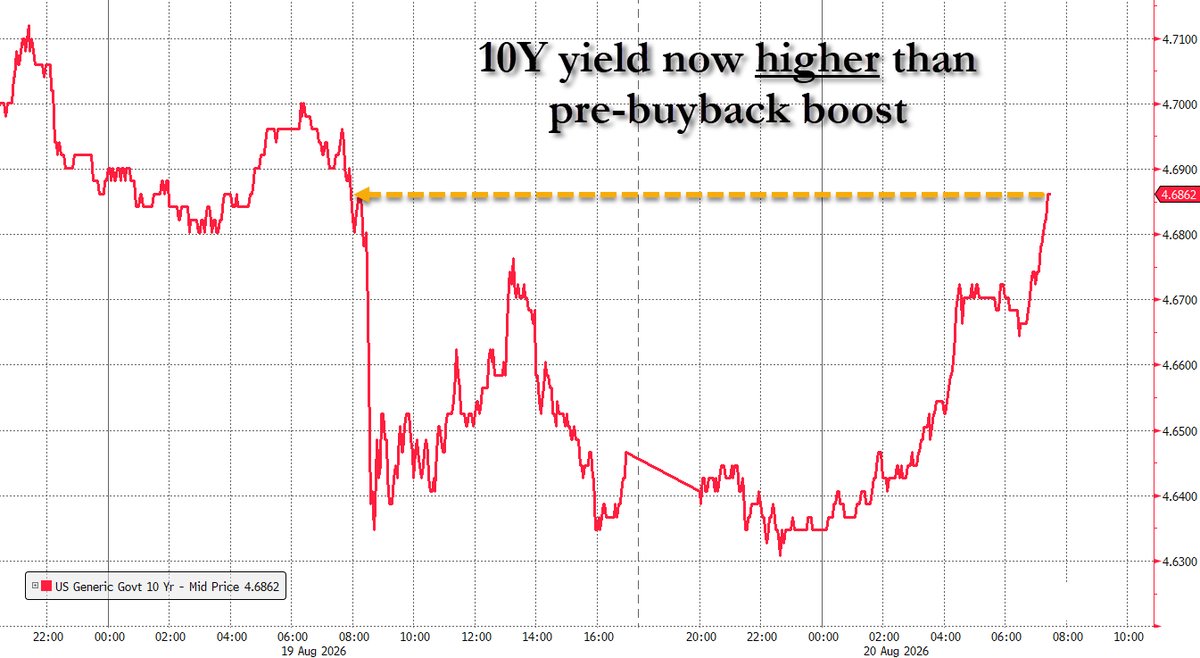
That matters far beyond Wall Street. Treasury yields influence everything from 30-year mortgages to student loan pricing to the cost of funding deficits. When the market loses its grip, the shock is not isolated. It spreads. The immediate appeal of intervention is obvious: restore functioning, calm volatility, and prevent a feedback loop where forced selling drives yields higher, which then triggers more selling.
But intervention is not free. Every backstop creates expectations. If market participants assume support will arrive whenever trading gets rough, they may take on more risk the next time. That is the central tension: stabilize now, or preserve discipline for later.
The market structure problem behind the headlines
The Treasury market is enormous, but size does not guarantee resilience. It relies on a chain of intermediaries – primary dealers, hedge funds, electronic trading platforms, and repo financing – that can amplify stress when confidence evaporates. A market that looks liquid on a normal day can become fragile when one or two parts of that chain stop functioning.
Leverage is the hidden accelerant
One of the most important structural issues is leverage. Basis trades, relative-value strategies, and repo-funded positions can create a lot of apparent liquidity until they do not. When yields jump, margin calls follow. Traders unwind positions. That selling pressures prices further. The result is not just volatility; it is a mechanical loop that can break the normal relationship between buyers and sellers.
That is why the debate over treasury market intervention is also a debate over market plumbing. If the system depends on highly leveraged intermediaries to absorb supply, then a policy response cannot just be about rates. It has to be about resilience.
Dealer balance sheets are not infinite
Post-crisis regulation made banks safer, but it also reduced their willingness and ability to warehouse risk. That tradeoff was intentional. Still, when stress hits, the market can discover that dealer balance sheets are not the elastic shock absorbers policymakers once assumed they were. Dealers can facilitate, but they cannot indefinitely absorb every Treasury being sold.
Key insight: The Treasury market’s biggest weakness is not a lack of interest. It is the mismatch between the market’s scale and the limited capacity of the institutions expected to stabilize it.
How policymakers actually intervene
Intervention does not always mean dramatic headlines or direct price controls. More often, it involves tools that aim to restore liquidity without appearing to dictate outcomes. The modern toolkit is part signal, part backstop, part structural repair.
- Asset purchases: The central bank buys Treasuries to support market functioning and reduce disorderly pricing.
- Repo facilities: Short-term funding is made easier so leveraged players do not have to dump bonds to meet cash needs.
- Regulatory adjustments: Rules can be recalibrated to encourage dealers to intermediate more aggressively.
- Operational changes: Settlement, clearing, and trading infrastructure can be improved to reduce friction and counterparty risk.
Each tool has a different political and market cost. Asset purchases are powerful but blunt. Repo support is subtler but works best when stress is funding-driven. Regulatory changes are durable but slow. Infrastructure reforms are the least glamorous, yet they may be the most important in the long run.
The case for intervention
Supporters of intervention argue that the Treasury market is not just another asset class. It is critical financial infrastructure. If a bridge collapses, no one asks whether the traffic jam was a moral hazard. They fix the bridge. The same logic applies here. When Treasury trading becomes disorderly, the public interest is not in proving a point. It is in keeping the market functional.
There is also a practical argument. A violent move in Treasury yields can tighten financial conditions everywhere else. Corporations face higher borrowing costs. Banks mark assets lower. Pension funds, insurers, and foreign reserve managers get hit. If intervention prevents a disorderly repricing from snowballing into a broader credit event, the benefit may outweigh the risks.
For policymakers, the goal is not to suppress risk permanently. It is to prevent a temporary liquidity crisis from becoming a solvency panic. That distinction matters. A market can handle bad news. It cannot function when the plumbing itself is failing.
The case against intervention
Skeptics see a more dangerous pattern. Each intervention tells investors that the government will step in when the market gets uncomfortable. Over time, that can encourage bigger positions, thinner cushions, and more dependence on official support. The market becomes less self-regulating, not more.
There is also the issue of price discovery. Treasury yields are supposed to reflect real demand for safety, expectations for inflation, and the outlook for monetary policy. Heavy-handed intervention can blur those signals. If the market no longer fully trusts the price, it may become harder to use Treasuries as the anchor of global finance.
That is the paradox of intervention: the very act of making the market more stable in the short term can make it less honest in the long term.
Editorial view: The real danger is not intervention itself. It is emergency support becoming a standing assumption, which quietly changes how every major market participant behaves.
What investors should watch next
For investors, the lesson is not to guess whether policymakers will intervene at the next sign of stress. The smarter move is to watch the conditions that make intervention more likely. Those include leverage levels, repo market strains, bid-ask spreads, and sudden shifts in dealer inventory capacity. When those indicators deteriorate together, market functioning can deteriorate fast.
Pro tip: Pay attention to the difference between a rate move and a liquidity event. A routine repricing can be uncomfortable. A liquidity event can force selling and create opportunities for intervention. The difference often shows up in the market’s ability to clear trades, not just in where yields land.
Another useful signal is whether volatility is concentrated at specific maturities or spread across the curve. Distortions at the long end can suggest duration pressure. Stress across the curve can hint at a broader market structure problem. That distinction matters for positioning and for policy response.
What it means for portfolios
If intervention becomes more common, portfolio managers may need to rethink assumptions about Treasury correlations and safe-haven behavior. Treasuries are still the benchmark risk-free asset in practice, but they may no longer be immune to sudden liquidity shocks. That can affect hedging strategies, duration exposure, and liquidity buffers.
It also means cash management matters more than ever. In stressed markets, the ability to meet margin calls without forced selling can be the difference between absorbing volatility and amplifying it. Institutions that treat liquidity as a strategic asset will be better positioned than those that treat it as a back-office concern.
Why this changes the policy playbook
The biggest implication of treasury market intervention is that policymakers are increasingly forced to treat market structure as macro policy. That is a major shift. The line between financial stability and monetary operations is getting blurrier. Central banks and regulators are being asked not just to set rates, but to preserve the basic usability of the market those rates rely on.
That may lead to a more layered playbook in the future: modest backstops during stress, stronger data collection on dealer exposures, more robust clearing and settlement systems, and maybe even new rules around leverage in the shadow banking system. None of that sounds dramatic. All of it could matter a lot.
In that sense, intervention is less about bailing out traders and more about modernizing a market that has become too important to fail quietly. The Treasury market is the plumbing of the financial system. If the pipes keep rattling, policymakers will not get the luxury of pretending the noise is cosmetic.
The bottom line
Intervention in the Treasury market is not a sign that the system is broken beyond repair. It is a sign that the system has become too central, too complex, and too interdependent to leave entirely to self-correction during periods of stress. That is both reassuring and unsettling. Reassuring, because authorities do have tools. Unsettling, because the need for those tools keeps growing.
For investors, the message is clear: do not confuse safety with simplicity. Treasuries remain foundational, but they are no longer frictionless. For policymakers, the challenge is sharper: support the market without teaching it to depend on rescue. That balance may define the next era of fixed-income policy.
The information provided in this article is for general informational purposes only. While we strive for accuracy, we make no guarantees about the completeness or reliability of the content. Always verify important information through official or multiple sources before making decisions.